Introduction: Navigating the Energy Transition in Maritime Transport
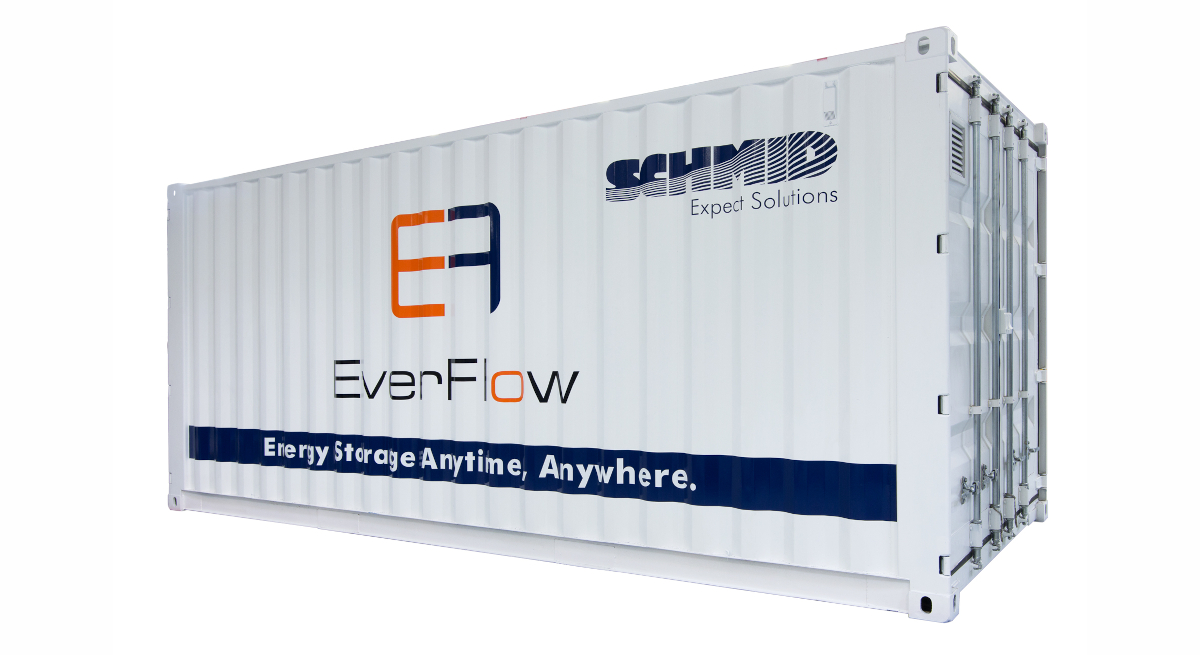
The global energy landscape continues its rapid evolution, marked by both persistent volatility in traditional hydrocarbon markets and an accelerating drive towards decarbonization across all sectors. In this dynamic environment, a significant development has emerged from SCHMID Energy Systems GmbH, which recently secured a major contract with Dutch shipping company Portliner. This agreement tasks SCHMID with designing and constructing a substantial flow battery system, boasting up to 1.5 MW of peak power, destined to be the primary zero-emission propulsion source for a new container vessel. This landmark project not only signifies SCHMID’s strategic entry into the critical maritime propulsion market but also underscores the growing investment appeal and technological readiness of sustainable energy storage solutions within the shipping industry, a sector historically reliant on fossil fuels.
Flow Batteries Chart a New Course for Maritime Decarbonization
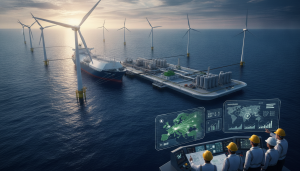
SCHMID Energy Systems’ successful bid with Portliner represents more than just a new contract; it signals a pivotal shift in how large cargo vessels can achieve zero-emission operations. By leveraging advanced flow battery technology, SCHMID is deploying a solution tailored to the rigorous demands of long-haul maritime routes. The inherent advantages of flow batteries—including high energy density, exceptional longevity, and flexible charging and discharging capabilities—are crucial for ensuring the reliable operation of container ships without fossil fuels. This technological choice directly addresses the stringent requirements for sustained power delivery and operational efficiency, factors that have historically been barriers to widespread electric propulsion in deep-sea shipping. The proposed system also includes innovative charging flexibility, allowing for power from onshore electrical chargers or rapid electrolyte swapping via specialized charging pontoons. This commitment to eliminating fossil fuels aligns perfectly with international climate goals and the increasing pressure on the shipping industry to reduce its substantial carbon footprint, making such projects highly attractive to investors focused on ESG criteria and long-term sustainability.
Crude Volatility vs. Green Investment Momentum
The backdrop to this forward-thinking maritime energy initiative is a crude oil market demonstrating considerable turbulence. As of today, Brent crude trades at $90.38 per barrel, representing a notable 9.07% decline within the day, having oscillated between $86.08 and $98.97. Similarly, WTI crude has seen a sharp drop, currently priced at $82.59 per barrel, down 9.41% today. This daily volatility follows a significant two-week trend where Brent crude has fallen by $20.91, or 18.5%, from $112.78 on March 30th to $91.87 on April 17th. Such dramatic swings in crude prices present a complex environment for investment decisions. While lower oil prices might, in the short term, reduce the immediate economic pressure to switch away from conventional marine fuels, the strategic imperative for decarbonization, driven by regulatory frameworks and corporate sustainability targets, remains undiminished. Investors are increasingly evaluating companies based on their long-term resilience and alignment with global energy transition trends, rather than being swayed by transient commodity price fluctuations. SCHMID’s move into maritime batteries exemplifies a company positioning itself for the inevitable future, irrespective of daily crude market gyrations.
Anticipating Market Catalysts and Future Growth Trajectories
Looking ahead, the success of the SCHMID-Portliner project holds significant implications for the broader maritime sector and energy storage market. While the immediate focus is on this pioneering container vessel, SCHMID’s stated intent to further advance maritime applications of its flow battery technology—including for cargo ships, ferries, and swimming electrolyte pontoons—signals a clear growth strategy. This forward-looking approach positions the company at the forefront of a burgeoning market. Moreover, the broader energy market will be closely watching upcoming events that could influence the pace and direction of such investments. The OPEC+ Joint Ministerial Monitoring Committee (JMMC) meeting on April 18th, followed by the Full Ministerial meeting on April 19th, will be critical. Any decisions regarding production quotas will directly impact global oil supply and prices, thereby influencing the economic viability of alternative fuels. Should OPEC+ tighten quotas, higher oil prices could accelerate the adoption of solutions like SCHMID’s. Conversely, increased supply might slightly ease the pressure but would not negate the long-term regulatory and environmental drivers. Further insights into global energy demand and supply will come from the API Weekly Crude Inventory (April 21st, April 28th) and the EIA Weekly Petroleum Status Reports (April 22nd, April 29th), providing macro context for energy investment decisions.
Investor Sentiment: Decarbonization as a Strategic Investment Theme
Our proprietary reader intent data reveals a clear investor focus on both short-term commodity price movements and long-term energy trends. Questions like “What do you predict the price of oil per barrel will be by end of 2026?” and “What are OPEC+ current production quotas?” highlight the ongoing preoccupation with crude market fundamentals. However, the interest in companies like SCHMID underscores a parallel and equally powerful investment theme: the strategic pursuit of decarbonization opportunities. Investors are actively seeking companies that are not just adapting to the energy transition but are actively shaping it, particularly in hard-to-abate sectors like shipping. The SCHMID-Portliner contract directly addresses this demand by offering a tangible, zero-emission solution for maritime freight. For traditional oil and gas investors, this signals a need to consider diversification into complementary clean energy technologies or to identify O&G companies that are themselves investing heavily in sustainable solutions. The long-term stability and growth potential offered by pioneering green technologies can provide a compelling counterpoint to the inherent volatility of commodity markets, offering a pathway to sustainable returns in an evolving energy landscape.