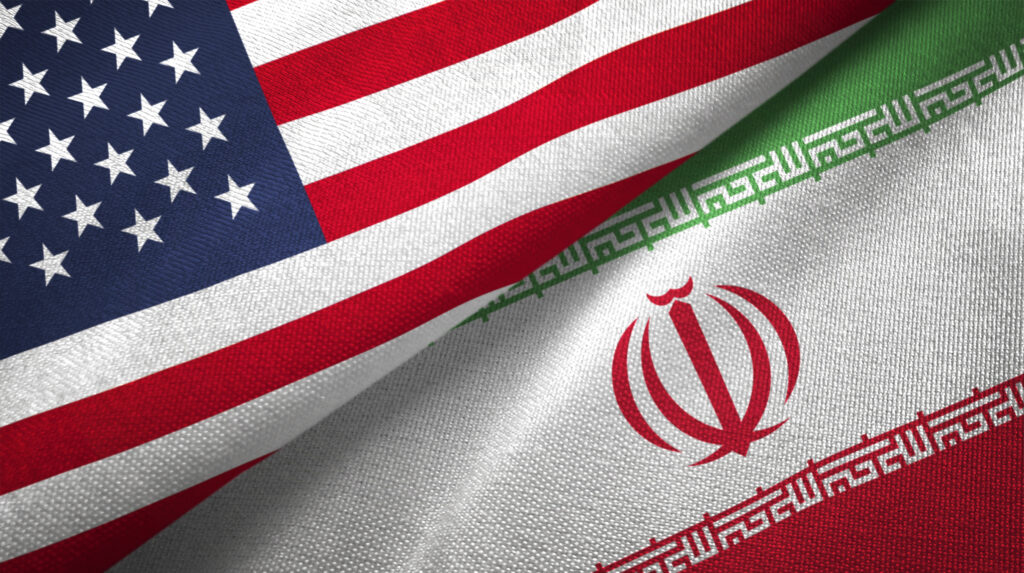
U.S. Intensifies Pressure on Iran-China Oil Trade, Rattling Global Markets
The United States has significantly escalated its campaign to disrupt Iran’s illicit oil revenue streams, targeting a fourth major Chinese oil import terminal. This move marks a continued tightening of the financial noose around entities facilitating trade with Tehran, a development with profound implications for global oil supply dynamics, geopolitical risk, and investment strategies within the energy sector.
The State Department’s latest designation specifically names Zhoushan Jinrun Petroleum Transfer Co Ltd, a Chinese-based crude oil and petroleum products terminal. This facility, strategically located in Zhoushan – a critical hub for some of China’s largest refining operations – has been identified by U.S. authorities as consistently engaging in the acceptance of Iranian crude and associated petroleum products, including from vessels already blacklisted by the U.S. government. This pattern of activity, according to the State Department, directly empowers Iran’s nuclear ambitions, supports various terrorist organizations, and contributes to the destabilization of trade flows and maritime navigation vital for global economic stability.
Zhoushan Sanction Signals Broadened Enforcement
The targeting of Zhoushan Jinrun Petroleum Transfer Co Ltd is not an isolated incident but rather a clear signal of the U.S.’s expanding enforcement reach. This terminal represents the fourth Chinese oil import facility to face such sanctions, underscoring a deliberate strategy to dismantle the infrastructure supporting Iran’s primary export market. The action against Zhoushan, a key logistical node, highlights the U.S.’s determination to impact even the most entrenched routes for illicit oil trade.
In this latest round, the U.S. Treasury Department sanctioned a total of 20 entities across the globe. These designations encompassed a wide array of participants in Iran’s shadow oil trade, including operators of the clandestine “dark fleet” tankers and other vessels actively involved in the transportation and acquisition of Iranian crude oil and petroleum products. Investors should recognize this broad-spectrum approach as a significant risk factor for any entity even tangentially involved in these supply chains, potentially leading to operational disruptions and financial penalties.
Impact on China’s Refining Sector and “Teapots”
Earlier in the year, U.S. sanctions had already begun to target specific Chinese oil terminals and several independent refiners, colloquially known as “teapots.” These smaller, privately owned refineries, particularly prevalent in China’s Shandong province, have historically relied on discounted Iranian crude to optimize their margins. The previous sanctions created significant headwinds for these operators, making it increasingly difficult and risky to procure cheap Iranian oil.
The fear of further U.S. designation has proven effective in some quarters. Reports indicate that a number of refineries in Shandong province, a stronghold for China’s independent refining capacity, have already ceased purchasing Iranian crude. This shift reflects a cautious approach by market participants aiming to avoid becoming the next target of Washington’s enforcement actions. For investors, this creates an interesting dynamic: while some refiners pivot, others continue to seek arbitrage opportunities, balancing risk against potential profit in a tightening market.
China’s Unofficial Lifeline for Iranian Exports
Despite the intensifying U.S. crackdown on Chinese entities involved in the import of Iranian crude and refined products, China remains unequivocally Iran’s most crucial customer. Unofficial estimates suggest that China absorbs approximately 90% of all Iranian oil exports, serving as a vital financial lifeline for Tehran’s economy and its controversial programs. This unwavering demand from the world’s second-largest economy underscores the complexity of fully severing Iran’s access to global energy markets.
The sheer volume of this trade is substantial. During the first half of the current year, imports of Iranian crude into major Chinese port clusters – including Qingdao, Dalian, and Zhoushan itself – were estimated to be nearly 1.4 million barrels per day (bpd). This figure highlights the scale of the challenge facing U.S. policymakers attempting to choke off these flows, and for investors, it represents a significant, albeit illicit, component of global crude supply.
Navigating the Shadowy Trade Routes
The mechanics of this illicit oil trade are sophisticated and designed to circumvent international sanctions. Crude shipments from Iran typically involve multi-leg journeys, often utilizing transshipment points near Malaysia. Here, large-scale ship-to-ship (STS) transfers occur, moving crude from Iranian or blacklisted vessels onto other tankers that then proceed to Chinese ports. This intricate network frequently employs “shadow fleet” vessels – older, often uninsured tankers that operate outside conventional maritime regulations and are specifically used to transport sanctioned oil.
The stark contrast between official and unofficial data further illustrates the clandestine nature of this trade. Officially, Chinese customs data indicates no crude imports from Iran since 2022. However, market intelligence and tanker tracking services paint a very different picture, confirming China’s continuous acquisition of nearly 90% of Iran’s crude exports through these elaborate, multi-stage journeys and transfers. This disparity underscores the challenges in accurately assessing global oil supply and demand, introducing an element of opacity that market participants must factor into their analyses.
Investment Implications and Market Outlook
For investors in the oil and gas sector, these escalating U.S. sanctions present a complex tapestry of risks and potential opportunities. The tightening of sanctions on Iranian oil exports, particularly to its largest customer, could theoretically remove a significant volume of crude from the global market, potentially pushing up benchmark oil prices. However, the resilience and adaptability of the shadow fleet and the continued high demand from China temper the immediate impact on global supply.
Geopolitical risks are clearly amplified. The U.S. actions signal a more aggressive stance, which could provoke responses from Iran or its proxies, potentially impacting shipping lanes in the Middle East, a vital region for global energy flows. Energy companies with exposure to international shipping or those involved in legitimate crude trading must remain vigilant about compliance risks and supply chain integrity. Investors should closely monitor the effectiveness of these sanctions and any shifts in Iran’s export volumes, as these will directly influence the balance of the global crude market. The ongoing tension between enforcement and evasion will continue to shape crude oil prices and the strategic decisions of major energy players for the foreseeable future.