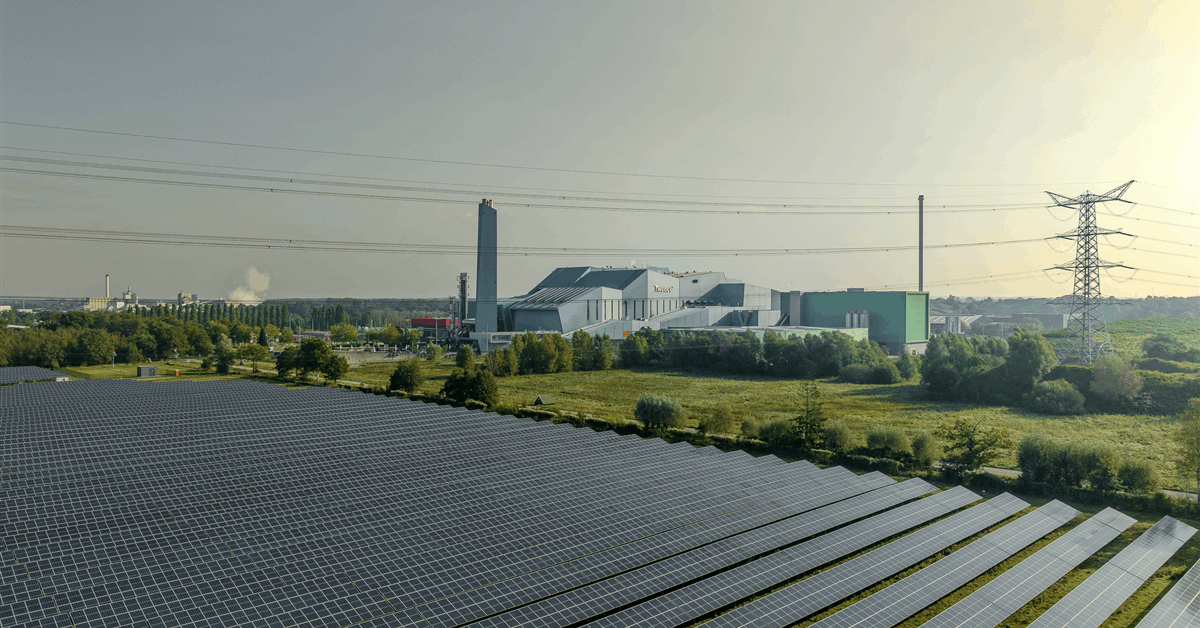
In a tangible demonstration of the accelerating energy transition, Plenitude, the dedicated renewables unit of integrated energy major Eni, has commenced construction on a new Energy Community in Monta d’Alba. This initiative, undertaken with partner Nuova Simplast, is not merely a localized project; it represents a key strategic thrust within Plenitude’s broader vision for sustainable energy models, specifically targeting Renewable Energy Communities (CER), Collective Self-Consumption (AUC), and Individual Remote Self-Consumption (AID). For investors navigating the complex landscape of energy markets, this move offers critical insights into how major players are diversifying their portfolios and positioning themselves for a future increasingly powered by decentralized, community-driven renewable sources. It underscores a fundamental shift in capital allocation and operational focus, moving beyond traditional hydrocarbon extraction towards innovative, localized energy solutions.
Decentralized Renewables: A Core Pillar of Future Energy Strategy
The Monta d’Alba project exemplifies Plenitude’s commitment to fostering localized energy independence. This specific AID (Individual Remote Self-Consumption) configuration involves the construction of a 758-kilowatt-peak (kWp) photovoltaic plant. Once operational, this plant is projected to generate approximately 860 megawatt-hours (MWh) annually, with the energy virtually shared among five Nuova Simplast supply points. A significant innovation here is the plant’s placement on an unused industrial lot owned by Nuova Simplast, adjacent to its headquarters. This approach highlights a crucial flexibility inherent in the AID model, allowing for the deployment of solar energy systems on non-traditional surfaces, thereby overcoming potential structural limitations of existing buildings. For businesses, this translates into optimized space utilization and enhanced energy production capabilities from otherwise dormant assets. Furthermore, the project’s design ensures Nuova Simplast will qualify for attractive 20-year state incentives, a financial backbone critical for renewable energy infrastructure. A portion of these incentives is earmarked for local social initiatives, aligning the project with broader community benefit goals and enhancing its social license to operate.
Navigating Volatility: Diversification in a Dynamic Crude Market
While the long-term strategic pivot towards renewables is evident, investors remain acutely focused on the immediate dynamics of the traditional oil market. As of today, Brent crude trades at $94.93, holding relatively steady over the last 24 hours. However, the broader trend over the past three weeks has seen a notable decline, dropping nearly 9% from $102.22 on March 25th to $93.22 on April 14th. This volatility underscores the continued importance of diversification for integrated energy companies. Our proprietary reader intent data reveals that many investors are currently asking for a base-case Brent price forecast for the next quarter, signaling a persistent, albeit cautious, interest in the traditional commodity market. This dual focus means that while short-term crude price movements capture headlines, strategic investments in units like Plenitude demonstrate a commitment to building resilient, future-proof portfolios. The predictable revenue streams from long-term incentives and reduced energy costs offered by renewable energy communities provide a valuable counterpoint to the inherent cyclicality and geopolitical sensitivities of oil and gas markets, offering a hedge against future demand shifts and carbon pricing pressures.
Upcoming Catalysts and the Enabling Environment for Renewables
The energy sector is perpetually influenced by a series of scheduled events, both in the traditional oil markets and increasingly in the broader energy transition space. While upcoming events like the Baker Hughes Rig Count on April 17th and 24th, the OPEC+ JMMC meeting on April 18th, and the Full Ministerial OPEC+ meeting on April 20th will undoubtedly influence short-term crude price movements, the strategic importance of initiatives like Plenitude’s Energy Communities is driven by a different set of catalysts. The 20-year state incentives mentioned for the Monta d’Alba project are a prime example of the supportive regulatory frameworks emerging globally to accelerate renewable energy adoption. Plenitude’s role extends beyond project development; it includes providing comprehensive support from design to incentive application, coupled with a proprietary digital platform for managing and monitoring the AID configuration. This end-to-end support significantly lowers barriers to entry for businesses and communities looking to transition to self-produced renewable energy. The flexibility of the AID model to utilize unused industrial land is a crucial enabler, unlocking vast potential for distributed generation and reducing pressure on national power grids by mitigating peak demand and fostering grid stability.
Strategic Implications: From Consumer to Prosumer and Grid Resilience
The proliferation of Energy Communities, epitomized by Plenitude’s latest venture, signifies a fundamental shift in energy consumption patterns—from passive consumption to active “prosumption.” By enabling businesses and citizens to produce, consume, and share renewable energy within a local area, these configurations empower communities and reduce reliance on centralized power generation. This decentralized model has significant implications for national grid resilience. Locally produced and consumed energy alleviates pressure on the main grid, particularly during periods of high demand, thereby contributing to increased stability and helping to stabilize energy prices over the long term. For investors, this represents an opportunity to allocate capital towards projects that offer not only environmental benefits but also tangible economic advantages through reduced energy costs, incentive structures, and enhanced energy security. The digital platform provided by Plenitude is a critical technological backbone, allowing for efficient management and transparent monitoring, which is essential for the scalability and widespread adoption of such complex, distributed energy systems. As the energy transition gains momentum, understanding the nuances of these community-level initiatives becomes as crucial as analyzing global commodity flows for a comprehensive investment strategy.


