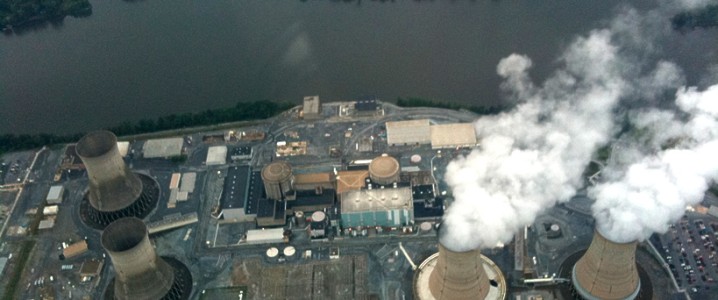
The energy landscape is undergoing a profound transformation, with nuclear power emerging from a period of dormancy to reclaim its role as a critical baseload provider. This shift, exemplified by the ambitious plan to restart Unit 1 of the Three Mile Island (TMI) nuclear plant by 2027, introduces a significant new dynamic for oil and gas investors, particularly those exposed to the natural gas sector. While the immediate impact on global crude markets may seem indirect, the structural implications for domestic power generation demand are undeniable. As grid operators grapple with escalating electricity needs from AI data centers and broader electrification efforts, the return of reliable, zero-emission nuclear capacity could present a tangible headwind for natural gas consumption in the coming years.
Nuclear’s Resurgence: A Direct Challenge to Gas-Fired Power
Constellation Energy’s announcement to accelerate the restart of TMI Unit 1 marks a pivotal moment, potentially making it the first U.S. nuclear plant to resume operations after decommissioning. This 800-megawatt (MW) facility, once operational, will deliver substantial zero-emission power directly into the PJM Interconnection, one of the nation’s largest and most strained regional grids. For natural gas, which has long served as the primary flexible fuel for power generation, this represents a direct challenge. The increasing demand for clean baseload electricity, driven by technological advancements and policy directives like the Inflation Reduction Act’s production tax credits for existing reactors, creates a clear competitive environment. While gas-fired plants offer flexibility, nuclear power provides consistent, high-capacity output, reducing the need for gas peaker plants or sustained gas-fueled baseload generation. Investors in companies heavily reliant on gas-to-power strategies, or those with significant exposure to domestic gas demand, must closely monitor the progress of TMI and similar nuclear revival projects.
Navigating Market Volatility and Investor Sentiment
The broader energy market currently presents a complex picture for investors. As of today, Brent crude trades at $90.38 per barrel, reflecting a sharp decline of 9.07% within the day’s range, which saw prices fluctuate between $86.08 and $98.97. Similarly, WTI crude sits at $82.59, down 9.41%. This recent volatility builds on a 14-day trend where Brent has shed over 18% of its value, dropping from $112.78 on March 30th to $91.87 just yesterday. Our proprietary data indicates that investors are keenly focused on future energy price trajectories, with common inquiries like “what do you predict the price of oil per barrel will be by end of 2026?” dominating our reader intent signals. While oil and gas markets are often viewed distinctly, the evolving energy mix, including the re-emergence of nuclear power, contributes to the overarching demand narrative. Reduced domestic demand for natural gas due to nuclear competition could potentially free up LNG export capacity, subtly influencing global energy balances and commodity prices beyond just the gas market.
Policy Tailwinds, Hurdles, and Forward-Looking Catalysts
The TMI restart aligns with strong bipartisan support for nuclear energy, with federal goals aiming to triple nuclear capacity by 2050. This political will, coupled with the grid’s urgent need for stable power, underpins the project’s viability despite significant hurdles. Constellation Energy is navigating complex discussions with the Nuclear Regulatory Commission (NRC) regarding licensing and safety pathways, while local opposition remains vocal, citing concerns over transparency, waste storage, and long-term safety. Experts estimate the investment could run into billions. Against this backdrop of evolving energy policy and infrastructure shifts, investors must also monitor near-term market catalysts. The upcoming OPEC+ Joint Ministerial Monitoring Committee (JMMC) meeting on April 18th, followed by the full Ministerial meeting on April 19th, will be critical in shaping crude supply expectations. While OPEC+ primarily focuses on oil, their decisions are made in an environment of global energy demand shifts. A growing emphasis on non-fossil fuel electricity generation, exemplified by the TMI restart, contributes to the long-term demand erosion for fossil fuels that OPEC+ must factor into its strategy beyond current quotas. Additionally, weekly API and EIA inventory reports provide a crucial pulse on the health of the energy system, offering insights into demand trends that could be influenced by broader energy transitions.
Investment Implications for the Natural Gas Sector
The successful restart of TMI Unit 1 by 2027, delivering 800 MW of consistent power, is not an isolated event but a bellwether for a broader trend. Federal targets to triple nuclear capacity by 2050 suggest that many more such projects, whether restarts or new builds, could materialize. For natural gas investors, this signifies a structural, rather than cyclical, headwind in the power generation sector. Companies with significant exposure to gas-fired power plants, domestic gas exploration and production (E&P), or gas pipeline infrastructure primarily serving the U.S. power grid, will need to adapt their strategies. While natural gas will undoubtedly retain its role for grid flexibility and industrial uses, a sustained increase in nuclear baseload capacity will temper demand growth projections. Investors should evaluate portfolios for diversification, consider companies positioned for LNG export opportunities to global markets where demand dynamics differ, or look for those innovating in carbon capture or hydrogen production from natural gas to remain competitive in a decarbonizing energy landscape.


