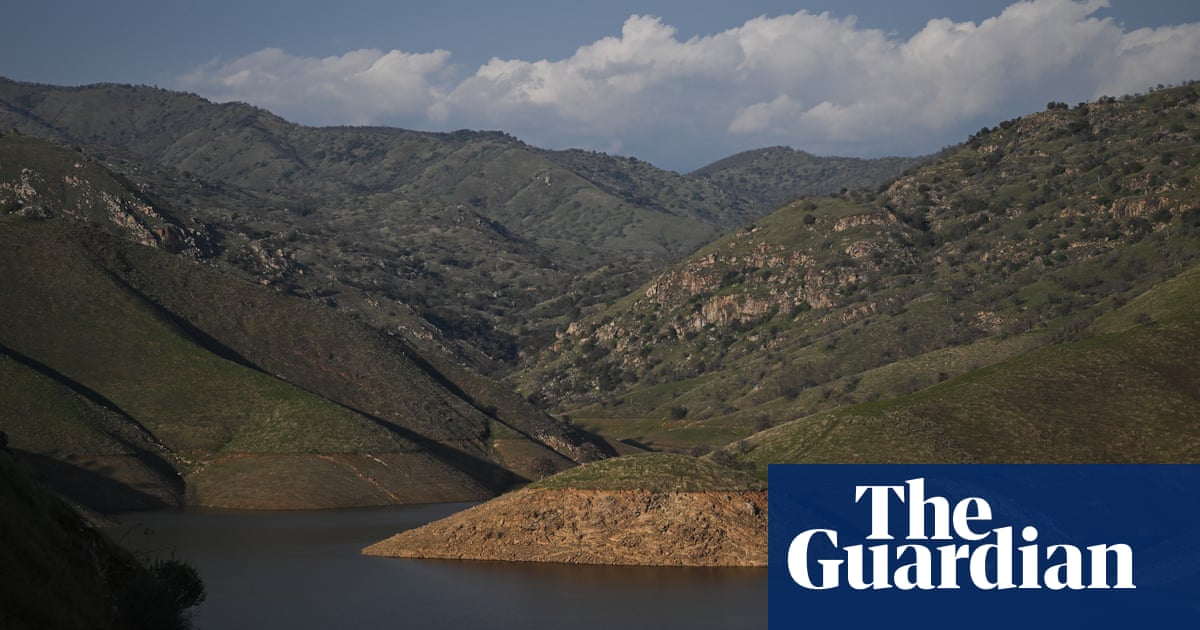
The western United States faces an alarmingly heightened risk of a severe wildfire season, driven by unprecedented environmental conditions and compounded by critical operational shortfalls. Rapid snowmelt, record early snow-free conditions in key river headwaters, and expanding drought across the region are setting the stage for a dangerous summer. For energy investors, this isn’t merely an environmental headline; it represents a tangible and growing threat to critical infrastructure, from production facilities and pipelines to refining and distribution networks. Understanding the confluence of these factors is paramount for assessing potential disruptions and safeguarding energy portfolios in the coming months.
Escalating Environmental Threats to Energy Infrastructure
The environmental precursors to this year’s wildfire season are stark and concerning. Unusually warm spring temperatures have triggered rapid reductions in snowpacks across the western US, rivaling the fastest rates ever recorded. This accelerated melt has led to record-early complete snowpack disappearance in lower-elevation locations within the headwaters of the Colorado River, a critical region for water resources and, by extension, energy operations. The National Oceanic and Atmospheric Administration (NOAA) explicitly flagged these “rapid melt rates are not normal,” signaling a departure from historical patterns. Furthermore, approximately one-third of the western United States is now experiencing ‘severe’ drought or worse, marking the highest fraction in over two years. Even California, which saw above-average snowfall this season, now reports below-normal snowpacks across all western states. The seasonal wildfire forecast reiterates these concerns, predicting a continuation of hot and dry weather, particularly in the Pacific Northwest. This confluence of factors creates a volatile environment where energy assets – including natural gas pipelines, crude oil infrastructure, and power transmission lines that crisscross vast wildland areas – are increasingly vulnerable to direct damage, operational shutdowns, and access restrictions. The potential for a feedback loop, where quickly depleting mountain snows limit summertime water availability and intensify the current drought, only exacerbates these long-term risks for energy and water-intensive industries.
Operational Readiness Gaps Compound Wildfire Exposure
Beyond the environmental challenges, the human element of wildfire response is facing unprecedented strain, further increasing the risk profile for energy assets. Federal fire crews are currently short-staffed, a direct consequence of accelerated retirements and staff reductions across the unified wildland firefighting force. This depletion of vital personnel extends beyond frontline firefighters to crucial support teams, known as incident management teams. These highly skilled groups, comprising meteorologists, cartographers, and logistics experts, are essential for managing prolonged and complex firefights. Experts estimate that federal agencies may not have enough of these teams to adequately respond to the anticipated scale of large fires this year. Compounding this, off-season training has been hampered by spending freezes, even affecting basic necessities like fuel for chainsaws during training exercises due to imposed purchase limits. This reduced state of readiness means that when fires ignite, the response could be overwhelmed more quickly, leading to longer burning times, larger affected areas, and consequently, a greater threat to proximate energy infrastructure. Investors must consider that while the physical assets may be robust, the ability to protect them and restore operations swiftly in the face of a major wildfire event is significantly compromised.
Market Volatility and Investor Concerns Amidst Rising Risks
The escalating wildfire risk introduces a significant layer of uncertainty into an already dynamic energy market. As of today, Brent crude trades at $96.25, reflecting a 1.54% increase, while WTI crude sits at $92.58, up 1.42%. Gasoline prices are currently at $2.99 per gallon. This recent upward movement contrasts with the broader trend over the past 14 days, where Brent crude saw a nearly 9% decline, falling from $102.22 to $93.22. This volatility underscores how sensitive the market is to various global and regional factors. Our proprietary reader intent data shows that investors are keenly focused on understanding future price trajectories, with common questions including “Build a base-case Brent price forecast for next quarter” and “What is the consensus 2026 Brent forecast?” The potential for widespread wildfires in the US West makes these forecasts inherently more complex. Localized supply disruptions, such as the shutdown of a key pipeline, a refinery, or even power grid outages impacting energy facilities, could lead to regional price spikes for crude, refined products, or natural gas, even if global benchmarks remain relatively stable. Energy companies with significant assets in the western US could face increased operational costs, insurance premiums, and potential revenue losses, all of which must be factored into investor valuations and forward-looking analyses.
Forward Outlook: Anticipating Wildfire Impacts on Key Energy Events
Looking ahead, the looming wildfire season will cast a long shadow over upcoming energy market events. The next two weeks feature several critical releases and meetings that typically drive market sentiment and price action. We anticipate the Baker Hughes Rig Count reports on April 17th and 24th to provide insights into drilling activity, yet these metrics might not fully capture the operational risks posed to existing infrastructure by wildfires. More critically, the OPEC+ Joint Ministerial Monitoring Committee (JMMC) meeting on April 18th, followed by the Full Ministerial meeting on April 20th, will determine future crude supply policies. While these decisions are global in nature, any significant wildfire-induced supply disruptions in the US could add an unexpected bullish impetus to prices, potentially challenging OPEC+’s carefully calibrated output strategy. Furthermore, the API Weekly Crude Inventory reports (April 21st, 28th) and the EIA Weekly Petroleum Status Reports (April 22nd, 29th) will be closely watched. Should wildfires impact crude production, refining operations, or transportation routes in the US West, these reports could reveal unexpected drawdowns or regional inventory shifts, signaling direct market consequences. The sustained threat of hot, dry weather, particularly in the Pacific Northwest, means that these risks are not isolated to a single event but rather represent a persistent challenge that will demand ongoing vigilance from energy investors throughout the coming wildfire season and beyond.


