UK-EU Re-Engagement: Economic Pacts and Their Ripple Effect on Global Oil Markets
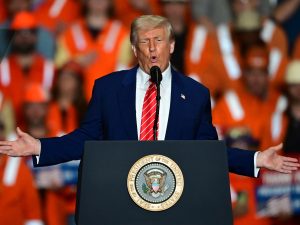
London and Brussels are charting a new course, moving past the rigid divides of Brexit to forge comprehensive agreements designed to dismantle select post-separation barriers. This strategic pivot, driven by a volatile global landscape and the looming influence of figures like former U.S. President Donald Trump, signals a return to closer cooperation that holds significant implications for energy investors and the stability of global oil markets.
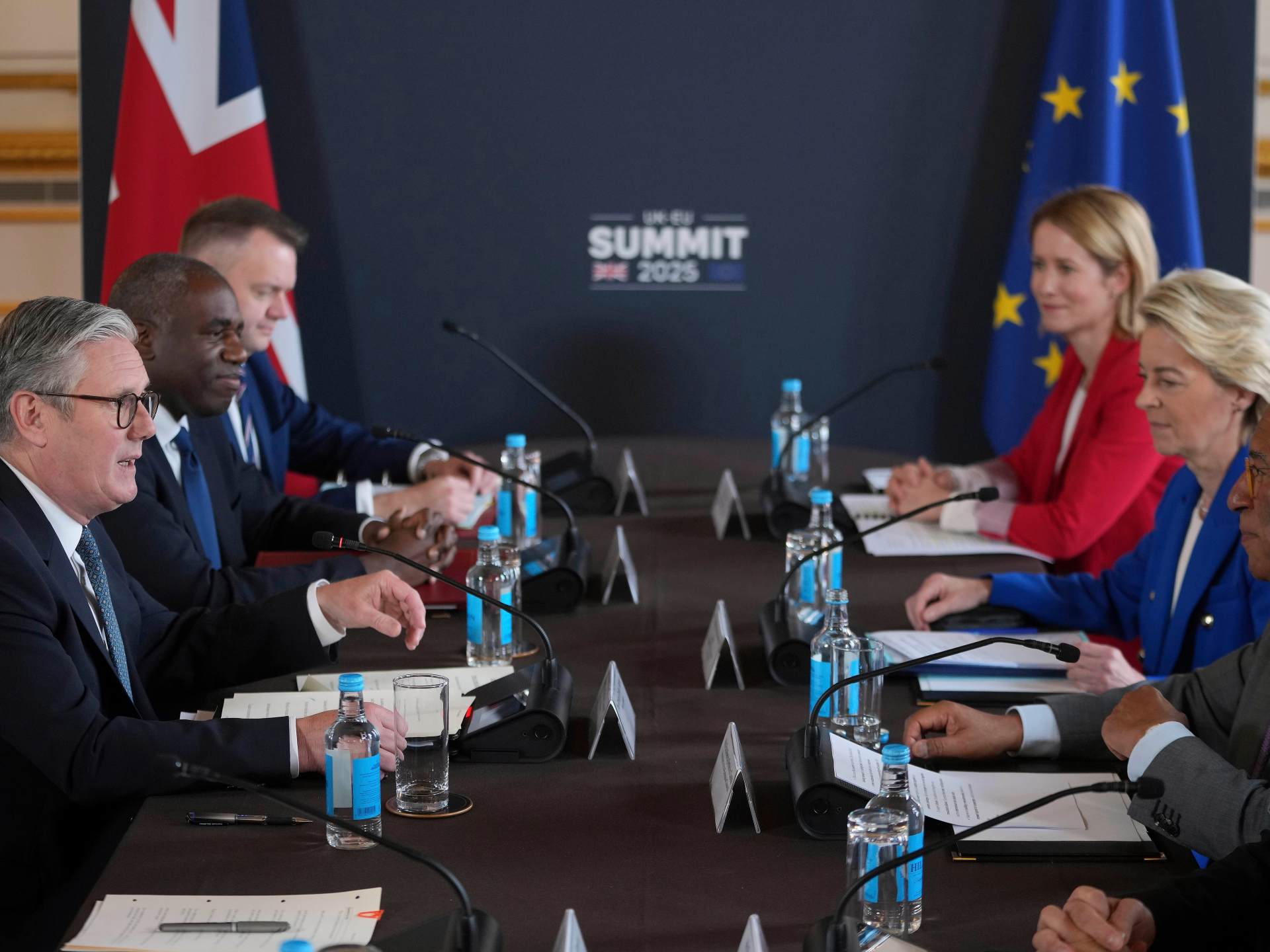
The United Kingdom and the European Union stand on the precipice of finalizing substantial accords aimed at bolstering both military and trade relationships. This diplomatic push represents a concerted effort to mend ties strained since the UK’s departure from the bloc five years ago. On Monday, the British government officially announced the conclusion of new agreements encompassing defense cooperation, food trade, and critical border checks. This announcement strategically preceded a landmark summit in London, where Prime Minister Keir Starmer hosted European Commission President Ursula von der Leyen and European Council President Antonio Costa. This gathering marked the first formal summit between the UK and the 27-member EU since Britain exited the bloc in 2020.
Geopolitical Stability and Energy Security: A New Defense Framework
Discussions in the British capital extended late into Monday, underscoring the urgency to remove impediments in the face of an evolving global order. A key driver for this renewed engagement is the palpable uncertainty surrounding U.S. commitment to traditional alliances, particularly NATO, under a potential Trump administration. For energy markets, such geopolitical shifts are paramount, as they directly influence risk premiums on crude oil and gas prices.
A significant outcome of these negotiations is an anticipated defense and security pact. This agreement is poised to grant Britain access to a substantial 150-billion-euro (approximately $169 billion) loan program earmarked for the rearmament of Europe. This level of investment in European defense infrastructure could stimulate industrial activity and, by extension, energy demand. Furthermore, a more unified European defense posture, bolstered by UK involvement, could contribute to greater regional stability, potentially reducing the geopolitical risk component currently priced into energy commodities, especially considering Europe’s ongoing energy security challenges.
Europe’s strategic calculus is heavily informed by more than three years of conflict in Ukraine. The prospect of a U.S. administration engaging directly with Moscow while potentially sidelining Kyiv, Brussels, and London introduces a layer of unpredictable risk to global energy supplies. A stronger UK-EU defense axis, therefore, serves as a crucial bulwark against such uncertainties, aiming to project stability and resilience in a volatile eastern European theater. Energy investors keenly watch these developments for any signs of supply disruption or shifts in demand patterns related to conflict or political realignment.
Trade Facilitation: Boosting Demand and Supply Chain Efficiency
The impetus to reset relations was evident in a major concession from the UK regarding fishing rights. This agreement will permit EU vessels access to British waters for a period of 12 years, with reciprocal access granted to UK vessels in EU waters. While seemingly niche, such agreements reduce friction and foster goodwill, which can have broader positive impacts on trade relations.
Crucially for businesses and supply chains, the deal also includes a permanent reduction in the extensive paperwork and border checks that became a significant impediment following the UK’s departure from the EU. These restrictions disproportionately affected small food producers attempting to export to Europe. The British government projects that this agreement will stimulate trade, creating more jobs within the UK economy. For the oil and gas sector, enhanced trade flows and economic growth translate directly into increased demand for transportation fuels, industrial energy, and lubricants. More efficient supply chains also mean lower operational costs for energy logistics.
Beyond commercial implications, British travelers are also set to benefit from faster access through e-gates at EU airports. While a minor point for energy markets, it symbolizes a broader easing of cross-border movement, indicative of a move towards greater integration and reduced friction, which generally underpins a more stable economic environment.
Political Headwinds and Economic Trajectories
Domestically, the agreements have not been without their critics. Opposition figures, particularly ardent pro-Brexit voices, have voiced strong disapproval. Andrew Griffith, representing the Conservative Party on trade and business, controversially labeled the event a “surrender summit.” Similarly, long-time Brexit campaigner Nigel Farage condemned the fishing concession as a “betrayal” by the British government.
However, Prime Minister Starmer defended the deal, asserting that it is time for the UK to look forward and “move on from the stale old political fights and to find common sense, practical solutions that improve the lives of British people.” He emphasized the benefits in a post on X, highlighting “Secure borders. Cheaper bills. More jobs,” and declaring, “We will close a deal in the national interest.”
For energy investors, the political rhetoric surrounding these agreements is less critical than their practical impact. A UK-EU reset, despite domestic opposition, signals a strategic commitment to reducing trade barriers and enhancing cooperation. This fosters a more predictable and robust economic environment across both blocs. Increased trade, streamlined logistics, and a more stable geopolitical outlook generally translate into consistent energy demand growth and reduced volatility in crude oil and natural gas prices. The long-term implications point towards greater regional economic cohesion, a positive signal for energy consumption and investment in supporting infrastructure, including refining capacity and logistics networks.
Investment Horizon: What This Means for Energy Portfolios
The renewed spirit of cooperation between the UK and the EU offers a cautiously optimistic outlook for the energy sector. By reducing trade friction and enhancing defense coordination, these agreements contribute to a more stable macro-economic and geopolitical environment in Europe. This stability is a key factor for sustained energy demand, as it supports industrial activity, transportation, and consumer confidence.
Investors in the oil and gas space should monitor these developments closely. A stronger UK-EU relationship can translate into more resilient supply chains for energy products, more predictable demand from a growing and integrated economic area, and potentially a slight reduction in the geopolitical risk premium associated with European energy security. While the direct impact on global crude prices might be incremental, the cumulative effect of improved economic ties, reduced trade barriers, and enhanced defense cooperation points towards a more favorable landscape for energy investment in the long term, particularly for companies with exposure to European markets, logistics, and refining capabilities.