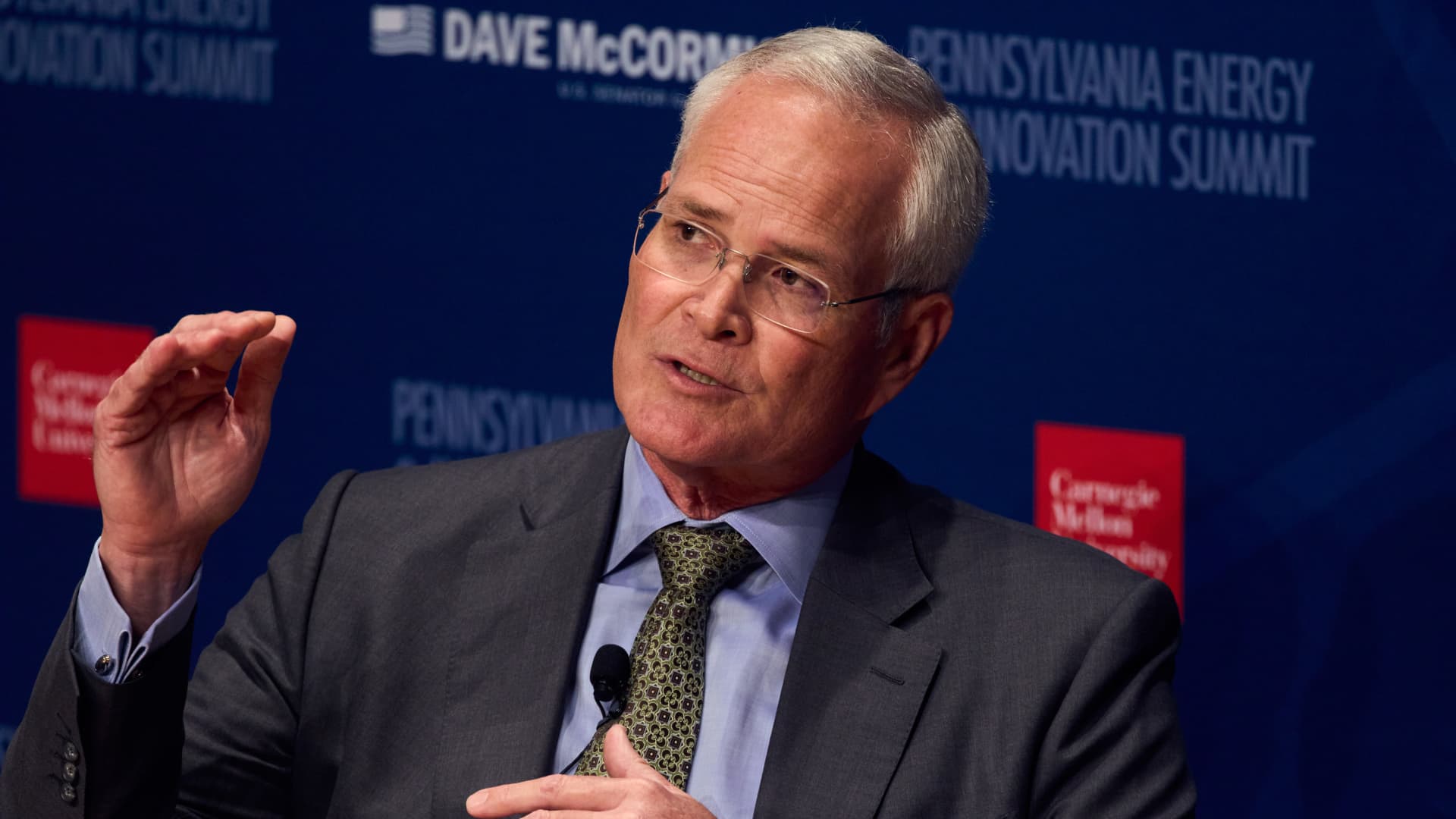
The energy landscape is undergoing a profound transformation, driven by both decarbonization imperatives and an unprecedented surge in demand from the technology sector. Amidst this dynamic environment, ExxonMobil is strategically positioning itself at the nexus of these trends, actively pursuing advanced discussions with power providers and technology giants to supply low-emission power to the rapidly expanding AI data center market. This move represents a significant pivot, leveraging the company’s extensive natural gas infrastructure and carbon capture, utilization, and storage (CCUS) expertise to address one of the most pressing energy challenges of the digital age. For investors, this initiative signals a deliberate effort by a supermajor to diversify revenue streams and secure long-term growth in a high-demand, high-growth sector.
The AI Energy Demand Surge: A New Frontier for Natural Gas and CCUS
The explosion of artificial intelligence applications is creating an insatiable demand for electricity, pushing hyperscalers like Alphabet, Amazon, Meta, and Microsoft to build vast data centers that consume enormous amounts of energy. While many tech companies have historically prioritized renewable energy sources to offset their operational emissions, the sheer scale and reliability requirements of AI compute are now driving a re-evaluation of their power strategies. Some, like Meta, are already turning to natural gas to ensure consistent and reliable power for their campuses, exemplified by their agreement with Entergy in Louisiana. ExxonMobil’s CEO, Darren Woods, underscored the company’s unique position, stating that in the near to medium term, they are “probably the only realistic game in town” for achieving low-emission facilities at the scale required. ExxonMobil’s ambition is clear: to capture 90% of the carbon dioxide emissions from natural gas plants powering these data centers, a testament to their confidence in their proprietary carbon capture technology and existing infrastructure for transportation and secure geological storage.
Navigating Market Volatility: Diversification Through Decarbonization
The broader energy market continues to exhibit significant volatility, underscoring the strategic prudence behind ExxonMobil’s diversification efforts. As of today, Brent crude trades at $90.38, reflecting a substantial 9.07% decline within a day’s range of $86.08 to $98.97. WTI crude similarly saw a steep drop to $82.59, down 9.41% from its open. This sharp downturn, particularly notable given Brent’s 14-day trend from $112.78 to its current level, highlights the persistent unpredictability in global oil prices. In this context, ExxonMobil’s foray into data center power with CCUS offers a compelling investment narrative. By leveraging its core competencies in natural gas production and carbon management, the company is tapping into a sector with robust and growing demand, largely decoupled from the short-term fluctuations of crude oil and gasoline prices. This strategic move could provide a more stable, long-term revenue stream, potentially buffering the company’s financials against the cyclical nature of its traditional upstream business and enhancing its overall resilience in a dynamic energy market.
Upcoming Events and Long-Term Strategic Alignment
While ExxonMobil’s data center initiative is a long-term play, it operates within a broader energy market shaped by upcoming events. Investors will be keenly watching the OPEC+ Joint Ministerial Monitoring Committee (JMMC) Meeting on April 19th, followed by the full OPEC+ Ministerial Meeting on April 20th. Any decisions regarding production quotas could significantly impact crude supply and prices, indirectly influencing ExxonMobil’s overall capital allocation and strategic priorities. Similarly, the API Weekly Crude Inventory (April 21st, 28th) and EIA Weekly Petroleum Status Reports (April 22nd, 29th) will offer crucial insights into short-term supply and demand balances, shaping market sentiment. However, the consistent demand for AI compute power, regardless of weekly inventory figures, positions ExxonMobil’s data center strategy as a foundational growth pillar. The Baker Hughes Rig Count on April 24th and May 1st will indicate industry activity, but ExxonMobil’s focus on decarbonizing a new, high-growth sector demonstrates foresight, aligning with global trends toward lower-carbon energy solutions even as overall energy demand continues to climb.
Addressing Investor Focus: Growth Beyond the Barrel
Our proprietary reader intent data reveals a clear investor focus on future market dynamics and the performance of energy majors. Questions like “what do you predict the price of oil per barrel will be by end of 2026?” underscore the desire for clarity amidst commodity price uncertainty. ExxonMobil’s proactive engagement in the data center power market directly addresses this concern by offering a growth vector that is less dependent on crude oil price forecasts. Investors are increasingly looking for companies that can demonstrate sustainable growth and resilience beyond traditional upstream operations. By leveraging its existing gas assets and CCUS technology, ExxonMobil is not just diversifying; it’s creating a new value proposition that resonates with the growing emphasis on ESG considerations and technological innovation. This strategy positions the company to capture value from the digital transformation, providing a tangible answer to how a supermajor can thrive in a rapidly evolving energy landscape while mitigating exposure to the inherent volatility of its core commodity markets.