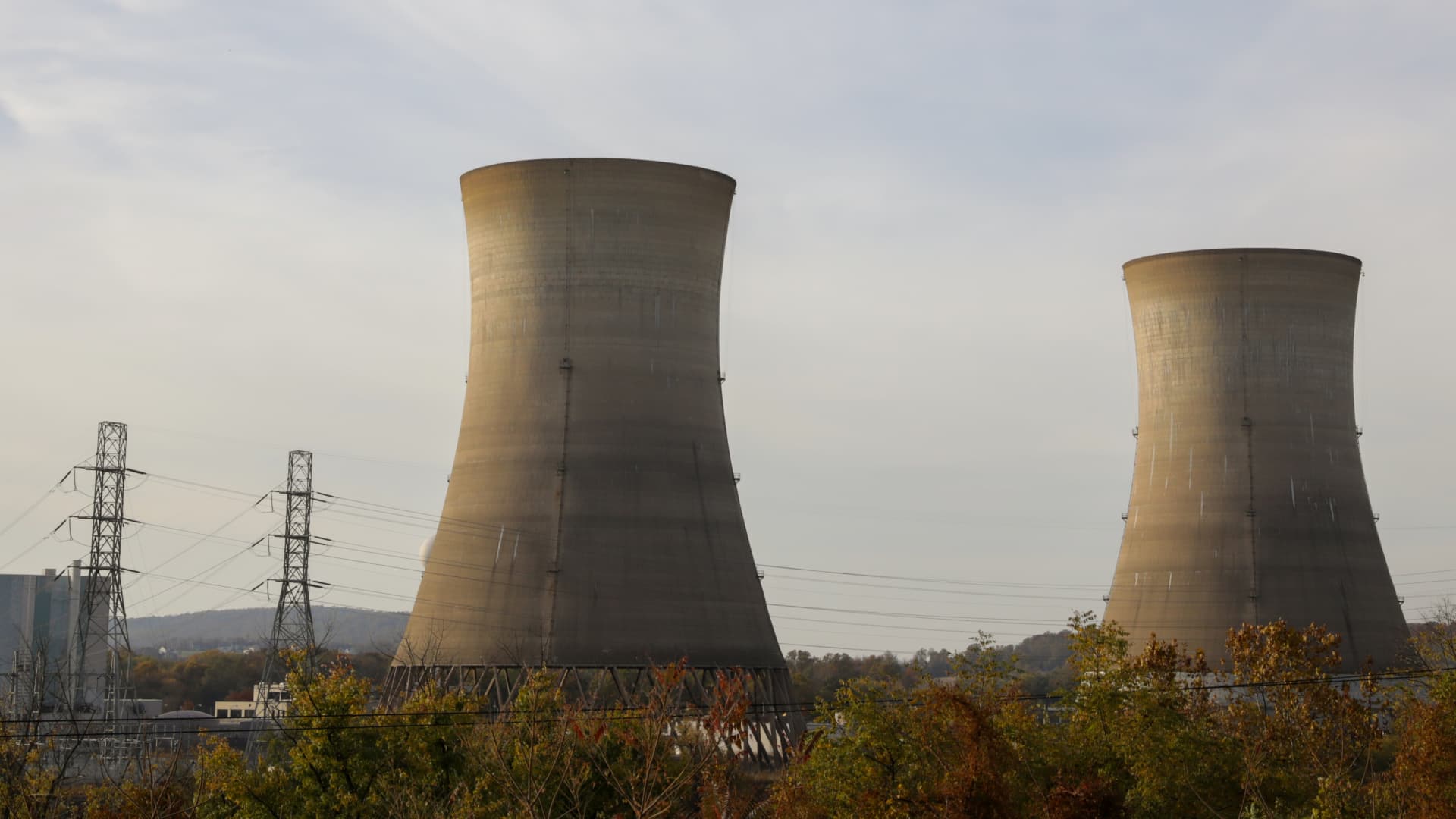
The energy investment landscape is currently characterized by a striking dichotomy: immediate volatility in traditional fossil fuel markets contrasted with a clear, long-term strategic pivot towards nuclear power in the United States. While oil prices have seen significant swings, the U.S. Department of Energy (DOE) is signaling an unprecedented commitment to nuclear energy, aiming to rapidly expand capacity. This dual narrative presents both challenges and distinct opportunities for investors navigating the evolving energy sector, demanding a nuanced understanding of market fundamentals and policy drivers.
The DOE’s Bold Bet on Nuclear Power
In a significant policy declaration, Secretary Chris Wright confirmed that the DOE’s loan program office will heavily favor nuclear power projects, earmarking the vast majority of available funds for the construction of new reactors. This directive aligns directly with the administration’s ambitious goal to break ground on 10 large nuclear reactors by 2030. This push is not merely about energy independence; it’s a response to burgeoning electricity demand, particularly from the rapidly expanding artificial intelligence (AI) data center industry. Tech giants like Alphabet, Amazon, Meta Platforms, and Microsoft are already committing billions to restart, upgrade, and deploy new reactor technologies, recognizing nuclear’s unparalleled capacity for consistent, carbon-free baseload power.
Secretary Wright articulated an expectation that this private sector interest will attract substantial equity capital, which the DOE is prepared to match with low-cost debt financing at a ratio of up to four-to-one. This leveraging potential makes nuclear projects significantly more attractive from a capital expenditure perspective. The administration’s vision is clear: to see “dozens of nuclear plants under construction” within the next three years. This level of government backing, combined with genuine industrial demand, suggests a potentially transformative period for the nuclear energy sector, offering a long-term investment theme distinct from the cyclical nature of oil and gas.
Westinghouse: A High-Stakes Investment with Historical Baggage
Central to the administration’s nuclear ambitions is a recently struck $80 billion deal with Westinghouse, the nuclear technology firm now owned by uranium miner Cameco and Brookfield Asset Management. Westinghouse’s modern AP1000 reactor design, capable of powering over 750,000 homes, is touted as the cornerstone for meeting the nation’s new nuclear capacity targets. Cameco’s COO, Grant Isaac, has affirmed strong government interest in facilitating the financing for these reactors, potentially even seeing Westinghouse spin out as a separate, publicly-traded entity with the U.S. government as a shareholder.
However, investors must approach this opportunity with eyes wide open. Westinghouse’s past is marred by significant challenges, notably its 2017 bankruptcy stemming from severe cost overruns and delays on major nuclear projects in Georgia and South Carolina. While two AP1000 reactors at Plant Vogtle in Georgia did eventually come online in 2023 and 2024, they did so years behind schedule and billions over budget, with the South Carolina project ultimately cancelled. This historical context raises critical questions about execution risk, project management, and the potential for similar financial pitfalls. For investors assessing the long-term viability of specific energy plays, understanding a company’s track record and the mechanisms in place to mitigate these risks will be paramount.
Oil Markets Brace for Volatility Amid Shifting Dynamics
While the long-term energy narrative shifts towards nuclear, the immediate financial health of the energy sector remains heavily influenced by crude oil markets. As of today, Brent crude trades at $90.38, marking a significant 9.07% decline within the day, falling from an intra-day high of $98.97. This sharp drop extends a pronounced bearish trend, with Brent having plummeted by $22.4, or nearly 20%, from $112.78 just two weeks ago. This intense volatility underscores the current uncertainty facing global oil demand and supply dynamics. This downward pressure on prices, while potentially beneficial for consumers, creates headwinds for exploration and production companies and highlights the need for diversification within energy portfolios.
Many of our readers are keenly asking about the future trajectory of oil prices, particularly “what do you predict the price of oil per barrel will be by end of 2026?” While precise predictions are challenging in such a dynamic environment, current market action suggests that macroeconomic concerns, potential shifts in global demand, and geopolitical factors are exerting considerable influence. The aggressive drop in prices observed today could signal either a temporary market correction or a more sustained re-evaluation of demand outlooks, particularly if global economic growth forecasts soften. Investors must carefully monitor these short-term market signals even as long-term energy transition plays gain traction.
Navigating Future Catalysts: Upcoming Events and Investor Outlook
Given the recent significant price movements, investor attention will undoubtedly turn to a series of critical upcoming events that could provide further clarity on market direction. The OPEC+ Joint Ministerial Monitoring Committee (JMMC) Meeting on April 19th, followed by the full Ministerial Meeting on April 20th, will be closely watched. Our readers are actively querying “What are OPEC+ current production quotas?” This question underscores the market’s reliance on these decisions to gauge future supply. Any indication of changes to current production policies—whether deeper cuts to stabilize prices or a decision to maintain existing output—will have an immediate impact on crude benchmarks.
Beyond OPEC+, weekly data from the U.S. will offer crucial insights into domestic supply and demand. The API Weekly Crude Inventory reports on April 21st and April 28th, followed by the EIA Weekly Petroleum Status Reports on April 22nd and April 29th, will provide fresh data on stockpiles, refinery activity, and product demand. These reports are vital for short-term trading strategies and for assessing underlying market health. Furthermore, the Baker Hughes Rig Count on April 24th and May 1st will offer an indication of North American drilling activity, signaling future supply trends. Collectively, these events represent key inflection points that could either reinforce current market trends or trigger significant shifts, demanding vigilant monitoring from all energy investors.