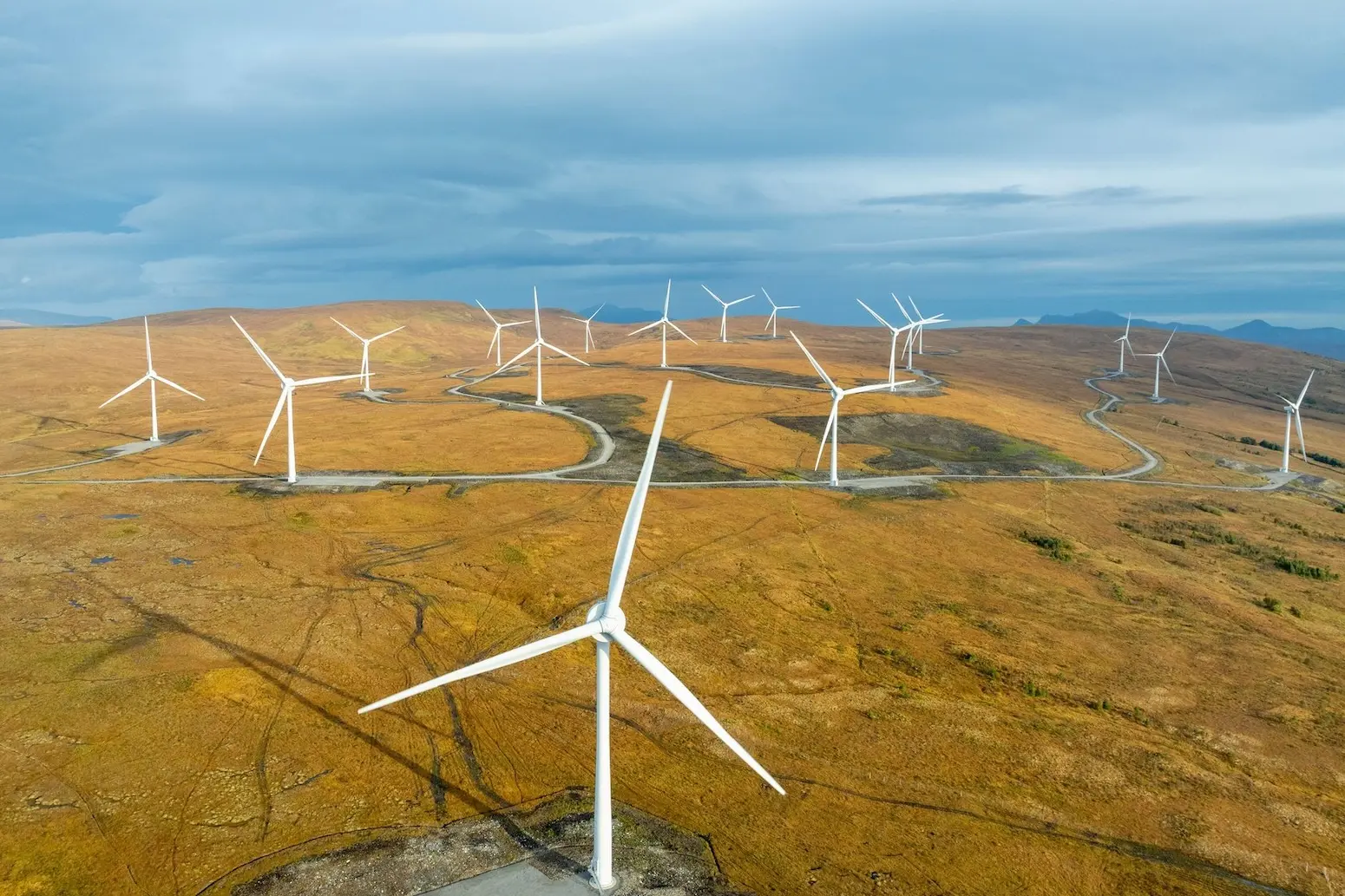
Wind Power ‘Droughts’ Threaten Supply
The global energy transition, while undeniably accelerating, faces complex challenges that demand the keen attention of oil and gas investors. A recent analysis highlights a growing concern: extreme “wind droughts” are poised to become more frequent and prolonged across vast swathes of the Northern Hemisphere, potentially impacting energy security and, by extension, the foundational demand for conventional fuels. These extended periods of low wind, which significantly curtail power generation from turbines, are projected to lengthen by as much as 15% by the close of the century under moderate warming scenarios. For investors navigating the evolving energy landscape, understanding the implications of renewable intermittency is crucial, as it directly influences the strategic positioning and long-term value of traditional oil and gas assets.
The Expanding Shadow of Renewable Intermittency
Wind power, currently supplying approximately 8% of global electricity, is a cornerstone of decarbonization efforts worldwide. However, its inherent variability is increasingly being scrutinized. Research indicates that “prominent” wind droughts have already been observed across critical regions including Europe, the United States, northeastern China, Japan, and India. As global climate patterns shift, these low-wind events are expected to intensify in both duration and frequency, particularly in mid-latitude zones. This poses a significant threat to “global wind power security,” forcing a reevaluation of energy grid resilience and the necessity of robust backup systems. For oil and gas investors, this translates into a sustained demand for dispatchable power sources – predominantly natural gas and, in certain contexts, even crude derivatives – to stabilize grids when renewable output falters. The strategic importance of gas-fired power plants, capable of ramping up quickly, becomes unequivocally clear in this scenario.
Market Dynamics and the Role of Crude in a Volatile Energy Mix
The immediate market reaction to shifts in global energy supply and demand underscores the fragility of an unbalanced system. As of today, Brent Crude trades at $90.38, reflecting a significant daily decline of 9.07%, while WTI Crude stands at $82.59, down 9.41%. This sharp correction follows a challenging fortnight, with Brent having fallen from $112.78 on March 30th to $91.87 on April 17th, an 18.5% drop. Such volatility highlights the sensitivity of crude markets to perceived supply-demand balances and macroeconomic signals. However, the long-term threat of wind droughts introduces a different dimension to energy market stability. History shows that prolonged low-wind events, such as the “dunkelflaute” experienced in Germany during the winter of 2024-25, can send power prices to record highs as countries scramble for alternative, often fossil fuel-based, energy supplies. This dynamic creates a compelling case for the continued strategic importance of oil and gas in balancing grid demands, even amidst the push for renewables. Investors must consider how such fundamental shifts in renewable reliability could underpin a floor for crude and natural gas prices, providing a crucial hedge against energy supply disruptions.
Strategic Implications for Oil & Gas Investment Amidst Renewable Headwinds
OilMarketCap readers are keenly focused on the future trajectory of crude, often asking, “What do you predict the price of oil per barrel will be by end of 2026?” The increasing prevalence of wind droughts adds a critical layer of complexity to such forecasts. While not “spelling doom for the wind industry,” these findings serve as a “navigation tool” for the broader energy sector, emphasizing the need for diversification. For oil and gas investors, this translates into a reinforced argument for the long-term value of companies with strong natural gas portfolios, robust refining capabilities, and diversified energy infrastructure. Companies like Repsol, whose performance our readers actively track, stand to benefit from their integrated models that can adapt to evolving energy demands. The intermittency of wind power means that dispatchable, reliable energy sources will remain indispensable for grid stability. This reality supports continued investment in exploration, production, and infrastructure for oil and natural gas, not merely as transitional fuels, but as essential components of a resilient energy system. Energy storage solutions, while promising, are still scaling up and cannot yet fully compensate for widespread, prolonged renewable shortfalls, leaving a critical role for hydrocarbons.
Navigating the Near-Term: Upcoming Events and Market Signals
The immediate future holds several key events that will shape the oil and gas investment landscape, even as the longer-term implications of wind droughts are processed. Investors are closely monitoring the upcoming OPEC+ Joint Ministerial Monitoring Committee (JMMC) and Full Ministerial meetings on April 18th and 19th. Discussions around “What are OPEC+ current production quotas?” will be central, as any adjustments to supply can significantly impact global crude prices and market sentiment. These decisions become even more critical when considering potential future demand spikes driven by renewable intermittency. Furthermore, the weekly API and EIA Crude Inventory reports (April 21st, 22nd, 28th, 29th) provide crucial snapshots of U.S. supply and demand, offering immediate insights into market tightness. The Baker Hughes Rig Count on April 24th and May 1st will indicate drilling activity and future production capacity, factors that will play a vital role in meeting both baseline and surge energy demands. These near-term indicators, when viewed through the lens of increasing renewable variability, highlight the sustained relevance of traditional energy market fundamentals and the strategic importance of a balanced, diversified energy investment approach.