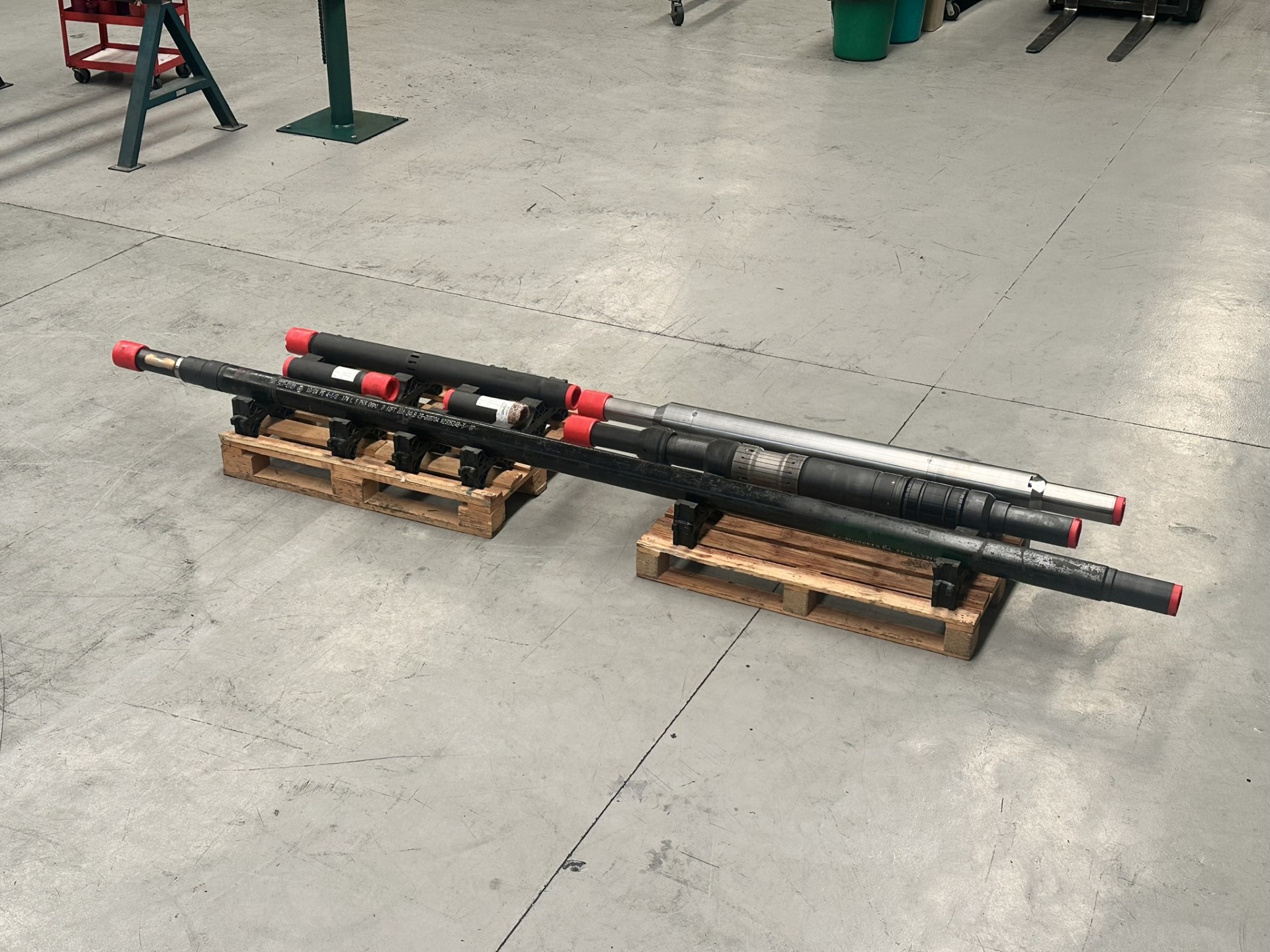
The global upstream sector is a dynamic landscape, constantly seeking efficiency and strategic advantage. Against this backdrop, Viking Completion Technology has marked a significant expansion of its North African footprint, delivering crucial upper completion equipment for an onshore oil project. This development is more than just a contract fulfillment; it signals a strategic move within a vital energy region, underscoring the ongoing demand for sophisticated well completion solutions even as broader market forces create considerable volatility. For investors, understanding the implications of such operational advancements is key to navigating the complex interplay of supply, demand, and technological innovation in the oil and gas industry.
North Africa’s Growing Upstream Appeal Amidst Market Volatility
Viking’s project in North Africa represents a substantial commitment to enhancing regional oil production capabilities. The first phase, completed in the first quarter of 2025, involved the supply of completion technology for 11 wells, supported by comprehensive on-site technical assistance and training. This was followed by a second order for five additional systems delivered in the third quarter of the same year, with further deliveries anticipated in the coming months. The advanced equipment package includes critical components such as Tubing Retrievable Safety Valves (TRSVs), Tubing Expansion Joints, Sliding Side Doors, and Hydraulic Set Production Packers, along with essential accessories. These technologies are foundational for bolstering well integrity, optimizing operational efficiency, and facilitating future workover operations, ensuring the long-term viability and productivity of these assets. Four wells have already integrated this technology, with the remaining installations progressing steadily.
This expansion comes at a fascinating juncture for global energy markets. As of today, Brent crude trades at $90.38, reflecting a notable 9.07% drop within a single day, while WTI crude sits at $82.59, down 9.41% over the same period. This sharp intraday correction follows a significant downward trend for Brent, which has fallen from $112.78 on March 30th to $91.87 just yesterday, representing an 18.5% decline over the past two weeks. Such pronounced price swings highlight the ongoing sensitivity of the market to macroeconomic signals and geopolitical developments. Despite this volatility, the continued investment in critical upstream infrastructure, as evidenced by Viking’s deliveries, underscores operators’ long-term confidence in North Africa’s strategic importance as a hydrocarbon producer. The region’s established reserves and strategic location make it an attractive target for optimizing existing assets and advancing new drilling campaigns, demanding reliable and efficient service partners like Viking.
Strategic Imperatives: Efficiency and Longevity in Well Completions
The choice of advanced completion technology, as supplied by Viking, is not merely about equipping wells; it’s a strategic imperative for operators aiming for maximum asset value and operational resilience. Viking, headquartered in Dubai, has built a reputation for providing full-service completions, integrating design, delivery, and commissioning support across the Middle East and Europe. Their approach, now extended to North Africa, focuses on solutions designed to strengthen well integrity, which is paramount for safety and environmental compliance. Furthermore, enhancing operational efficiency through sophisticated equipment directly translates into lower lifting costs and improved recovery rates over a well’s lifecycle. The inclusion of features supporting future workover operations is particularly telling, indicating a long-term view that prioritizes the sustained productivity and adaptability of these wells.
In a market characterized by fluctuating prices and increasing pressure for sustainable operations, the ability to optimize existing assets becomes a key differentiator. Rather than solely pursuing high-cost, frontier exploration, many regional operators are focusing on maximizing returns from their established fields. This necessitates robust completion technologies that can withstand demanding downhole conditions, minimize downtime, and extend productive lifespans. Viking’s comprehensive offering, encompassing the full lifecycle of completions, positions them as a valuable partner in this ongoing industry shift, directly contributing to the economic viability and longevity of North African oilfields.
Forecasting Upstream Momentum: What Upcoming Events Signal
The strategic timing of Viking’s North African expansion places it at the forefront of potential shifts in global upstream activity. Investors are keenly watching a series of upcoming energy events that could significantly influence drilling and completion demand. This weekend, the OPEC+ Joint Ministerial Monitoring Committee (JMMC) meets on April 18th, followed by the full OPEC+ Ministerial Meeting on April 19th. Decisions regarding production quotas from these meetings will directly impact global supply levels and, consequently, the appetite for new drilling and well completions. Should OPEC+ maintain or tighten current quotas, the emphasis on efficiency from existing wells, serviced by companies like Viking, will only intensify. Conversely, any loosening of restrictions could spur increased drilling activity, driving higher demand for completion services across various regions, including North Africa.
Beyond OPEC+, other key indicators will provide insights into the immediate future of the upstream sector. The API Weekly Crude Inventory report on April 21st and the EIA Weekly Petroleum Status Report on April 22nd will offer a snapshot of current supply-demand dynamics in the crucial U.S. market. Additionally, the Baker Hughes Rig Count on April 24th will directly signal the trajectory of drilling activity. These reports, alongside their subsequent releases on April 28th, April 29th, and May 1st, will be instrumental in gauging the market’s pulse. Viking’s ongoing deliveries contribute directly to the future production volumes that will eventually appear in these reports, highlighting the tangible impact of such projects on the broader energy supply chain.
Addressing Investor Concerns: The Path to 2026 Oil Prices and Beyond
A recurring theme among our readers this week revolves around the future of oil prices, with many asking, “What do you predict the price of oil per barrel will be by end of 2026?” and seeking clarity on “OPEC+ current production quotas.” While pinpointing exact price figures for late 2026 is inherently challenging given the multitude of variables, Viking’s significant investment in North Africa offers a compelling data point for long-term sentiment. The continued deployment of advanced completion technology, despite recent market volatility, suggests that operators are making calculated, long-term bets on sustained oil demand and profitable price points beyond short-term fluctuations.
Efficient completions, such as those provided by Viking, play a crucial role in mitigating price risk. By enhancing well integrity and operational efficiency, these technologies effectively reduce lifting costs and extend the economic life of wells. This makes projects more resilient to potential price downturns and more profitable during periods of higher prices. The strategic expansion into North Africa also aligns with a broader industry trend of diversifying supply chains and strengthening energy security, which can contribute to greater price stability in the long run. The commitment to developing existing and new assets in regions like North Africa, supported by specialized service providers, indicates an underlying confidence from industry players that global energy demand will remain robust for years to come. Ultimately, while OPEC+ quotas will always dictate immediate supply, the fundamental investment in upstream infrastructure, exemplified by Viking’s project, provides a bullish signal for the long-term outlook of the oil and gas sector.


