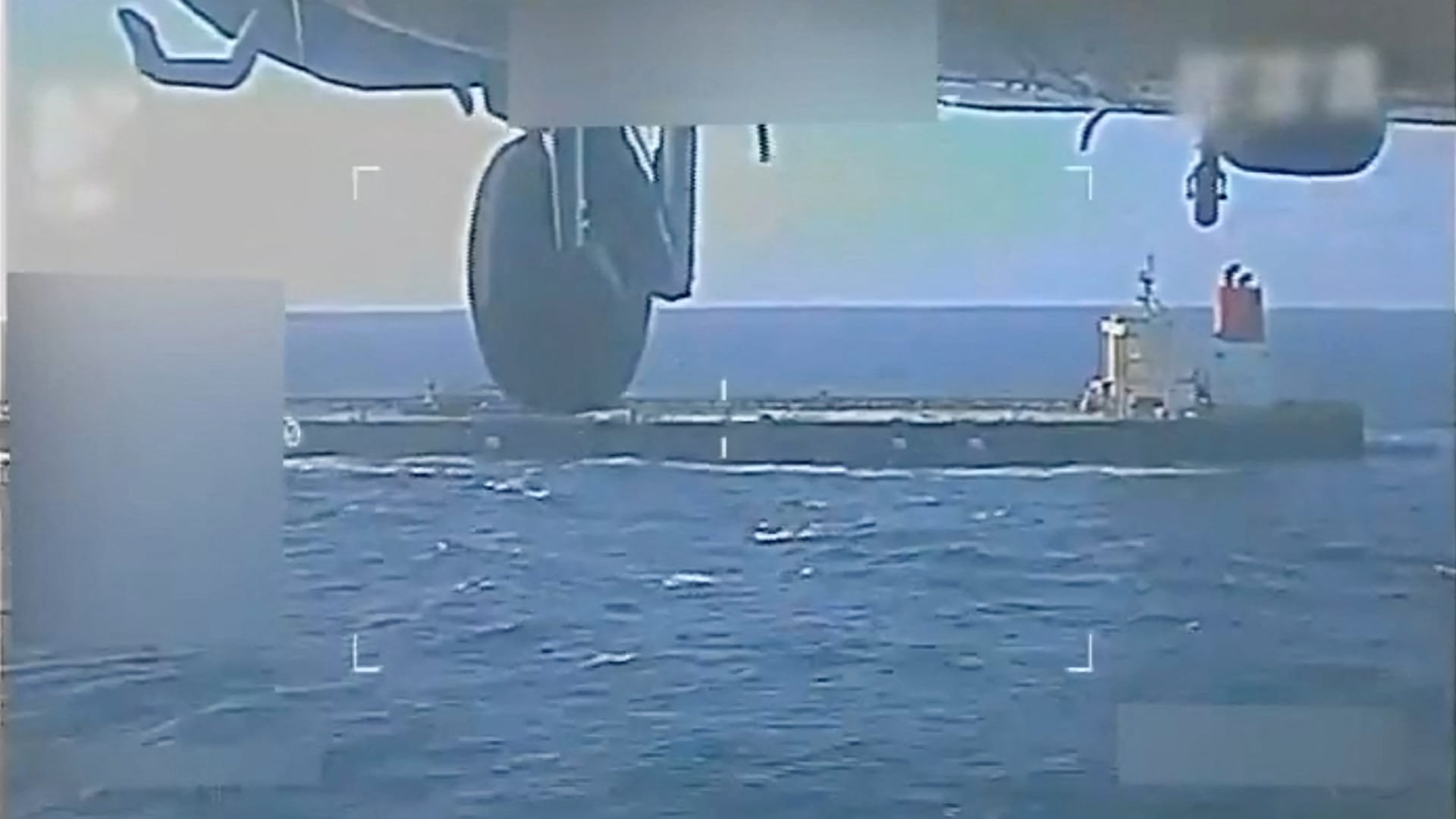
The recent seizure of a Very Large Crude Carrier (VLCC) allegedly transporting Venezuelan oil to Iran marks a significant escalation in geopolitical pressure on President Nicolás Maduro’s administration. While such actions typically prompt supply anxiety in the oil markets, the immediate investor reaction has been notably subdued, overshadowed by broader bearish sentiment. This analysis delves into the implications of this tanker seizure, its actual impact on global supply, and how it intersects with current market dynamics and upcoming events that are truly driving investor focus.
Market Disconnect: Geopolitical Flare-Up vs. Bearish Trends
As of today, April 17, 2026, the global crude oil market is experiencing substantial downward pressure. Brent crude currently trades at $91.87 per barrel, a sharp daily decline of 7.57%, having ranged between $86.08 and $98.97. Similarly, WTI crude is down 7.86% to $84.00 per barrel, with its day range spanning $78.97 to $90.34. Gasoline prices have also seen a drop of 4.85% to $2.95 per gallon. This acute daily correction follows a broader bearish trend over the past two weeks, during which Brent shed $14, falling from $112.57 on March 27 to $98.57 yesterday. This significant price depreciation indicates that despite the headline-grabbing seizure of a tanker carrying 1.1 million barrels of crude, the market’s primary focus remains elsewhere. Investors appear to be weighing larger macroeconomic concerns, potential progress in Ukraine peace talks, and the overall supply-demand balance over isolated geopolitical incidents, at least for now. The immediate market response suggests that traders do not perceive this event, nor the threat of more seizures in the coming weeks, as a major supply disruption capable of reversing the current downtrend.
Venezuela’s Output and the Looming OPEC+ Decisions
Venezuela, a founding member of OPEC and home to the world’s largest proven oil reserves, continues to be a player in global supply, albeit a diminished one. Currently, the nation exports approximately 749,000 barrels per day, with a significant portion directed to China. The seizure of the VLCC, identified as the Skipper, with its 1.1 million barrels of covertly loaded crude, represents a material volume for Venezuela’s individual export capacity. However, in the context of a 100-million-barrel-per-day global market, the immediate removal of this single cargo is not enough to trigger a significant supply shock. Investor attention, as signaled by recurring questions from our readership, is squarely focused on the broader supply landscape, particularly “What are OPEC+ current production quotas?” This question is especially pertinent this week.
Looking ahead, the market’s gaze is fixed on the upcoming OPEC+ meetings. The Joint Ministerial Monitoring Committee (JMMC) convenes today, April 17th, followed by the Full Ministerial Meeting tomorrow, April 18th. Decisions emerging from these gatherings regarding production levels are far more likely to influence crude prices than the isolated seizure of a single tanker. Investors are keenly awaiting any signals on whether the alliance will adjust its output strategy in response to current market conditions, global demand forecasts, or the ongoing geopolitical complexities. These high-level policy discussions, along with the consistent flow of inventory data from the API and EIA next week, and the Baker Hughes Rig Count reports on April 24th and May 1st, will continue to be the primary drivers of market sentiment and price action, largely overshadowing the Venezuela developments.
Assessing the Supply Risk: Investor Concerns and Broader Implications
The act of seizing an oil tanker is undeniably a dramatic escalation, designed to increase economic pressure on the Maduro regime. While the immediate removal of 1.1 million barrels from the market is a tangible loss, it must be contextualized within the larger framework of global supply. Compared to Venezuela’s total daily exports of approximately 749,000 bpd, a 1.1 million barrel cargo represents roughly 1.5 days of its current output. This is not insignificant for Venezuela, but its impact on global supply elasticity is limited, especially when considering existing global crude inventories and OPEC+’s spare capacity. Our readers frequently ask, “What do you predict the price of oil per barrel will be by end of 2026?” This question underscores a long-term perspective that factors in systemic supply risks, not just individual events.
From an investor standpoint, the true risk lies not in the direct supply loss from one vessel, but in the potential for a broader, sustained disruption to Venezuelan exports or an escalation that impacts shipping lanes. The U.S. government’s explicit willingness to target “more ships transporting Venezuelan crude” suggests a sustained campaign. However, Venezuela’s exports are already significantly curtailed by existing sanctions. Any further substantial reduction would require a highly aggressive and widespread interdiction effort, which carries its own significant diplomatic and logistical challenges. While the U.S. has ramped up its military presence in the Caribbean, citing drug trafficking interdiction, the legality and scope of these actions are under intense scrutiny, as noted by congressional concerns. Investors must weigh the likelihood of such an extensive campaign against the practicalities of enforcement and the potential for unintended consequences that could impact broader regional stability.