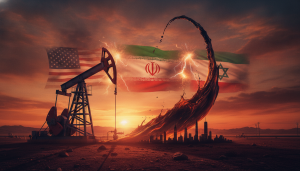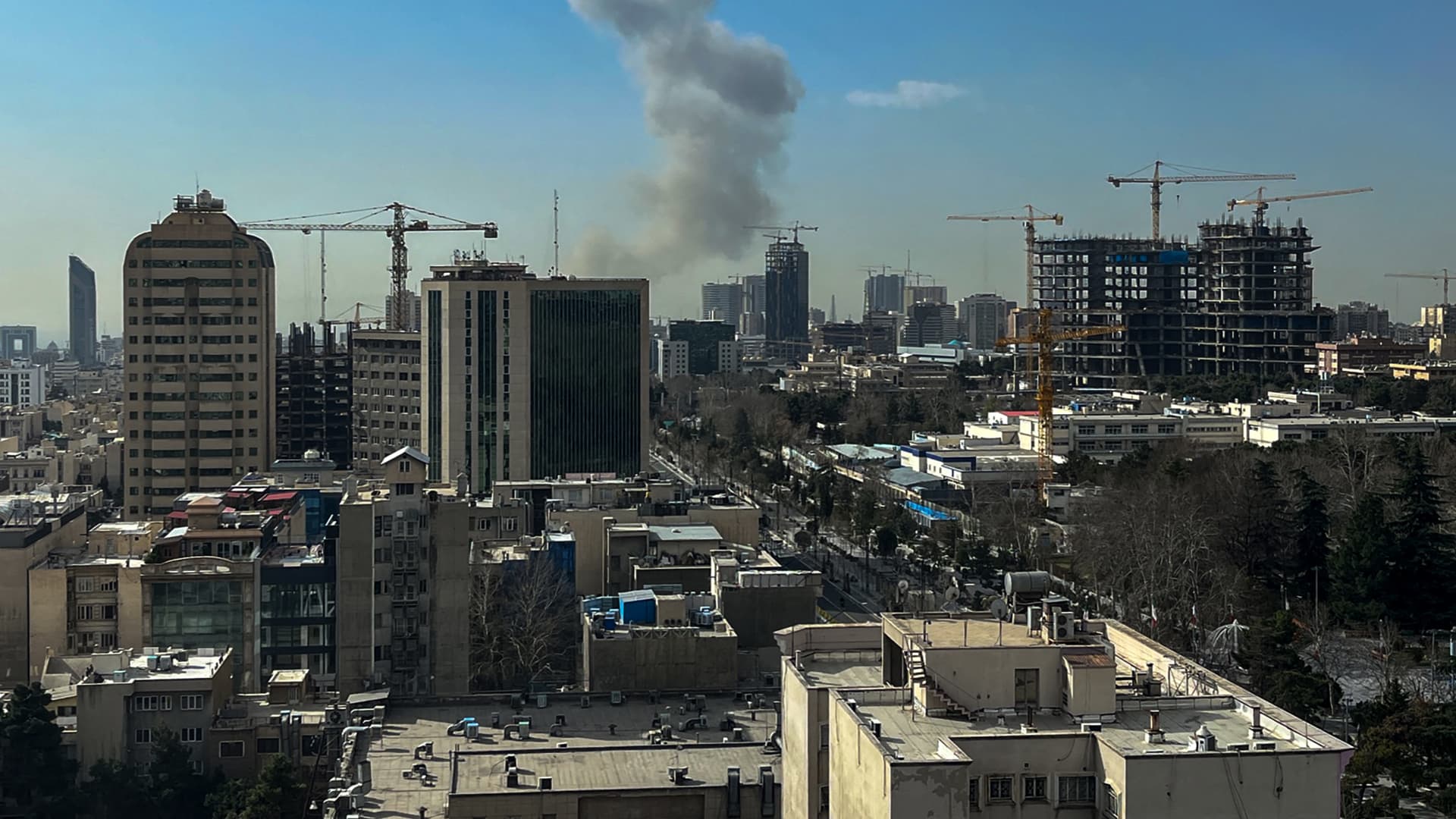
The geopolitical landscape in the Middle East has once again sent ripples through global energy markets, with reports confirming that American forces have launched strikes against Iran, following an earlier daylight attack on Tehran by Israel. This escalation, occurring after a period of intense diplomatic efforts and a significant military buildup in the region, immediately registered in crude futures. For oil and gas investors, understanding the implications of these developments on supply security and price volatility is paramount, especially as key diplomatic avenues appear stalled over Iran’s nuclear and ballistic missile programs. Our proprietary data pipelines highlight the immediate market reaction, but also signal a deeper, underlying investor apprehension that extends beyond the current headlines.
Geopolitical Flashpoint Ignites Crude Prices
The confirmation of US and Israeli military actions against Iran marks a critical turning point in regional tensions. These strikes follow a series of heated exchanges, including President Donald Trump’s earlier warnings of “really bad things” if Tehran failed to agree on its nuclear program. Diplomatic efforts, such as the third round of talks held in Switzerland just last Thursday, have evidently failed to de-escalate the situation, with U.S. Secretary of State Marco Rubio citing Iran’s ballistic missile development as a “big problem” that Tehran has consistently refused to discuss. Iran, for its part, had previously warned UN Secretary-General Antonio Guterres that it would respond “decisively” to military aggression. This confluence of military action and diplomatic impasse has directly impacted market sentiment, fueling concerns of a potential supply disruption.
As of today, Brent Crude trades at $93.81 per barrel, marking a 0.61% increase for the day, with its price oscillating between $93.52 and $94.21. Similarly, WTI Crude has seen a 0.67% uptick, reaching $90.27, trading within a daily range of $89.71 to $90.70. This immediate climb in crude futures starkly contrasts with the broader trend observed over the past two weeks, where Brent had seen a significant decline from $118.35 on March 31st to $94.86 by April 20th, a nearly 20% drop. Today’s upward movement underscores the market’s sensitivity to geopolitical risk, with traders swiftly pricing in a renewed risk premium in response to the escalating conflict.
The Strait of Hormuz: A Critical Chokepoint in Focus
At the heart of investor concerns lies Iran’s pivotal role as a major oil producer and a founding member of OPEC, but more importantly, its strategic control over the Strait of Hormuz. This narrow waterway is arguably the world’s most important oil transit chokepoint, through which approximately 20% of the world’s total petroleum consumption passes daily. Any significant disruption to this vital shipping lane, whether through direct conflict or retaliatory measures, could have catastrophic implications for global oil supply. The current military actions inevitably raise the specter of such a scenario, pushing the geopolitical risk premium in crude prices higher. Investors are keenly aware that even a perceived threat to the Strait of Hormuz can send shockwaves through the energy sector, impacting everything from crude prices to shipping costs and the profitability of upstream and downstream operations alike.
Investor Sentiment: Navigating Uncertainty and Seeking Clarity
Our proprietary reader intent data reveals a strong focus among investors on the immediate and long-term trajectory of oil prices amidst this volatility. Queries such as “is WTI going up or down?” highlight the pressing need for real-time market direction, while questions like “what do you predict the price of oil per barrel will be by end of 2026?” underscore the desire for a longer-term outlook. The current escalation introduces significant uncertainty into these predictions. While the immediate reaction has been an upward swing in crude futures, the sustainability of this rally will depend on the intensity and duration of the conflict, as well as any potential retaliatory actions. Furthermore, investors are also tracking the performance of specific energy companies, with questions about firms like Repsol signaling a broader interest in how E&P players will fare in this volatile environment. The ongoing geopolitical tensions necessitate a dynamic investment strategy, prioritizing risk management and continuous monitoring of global events.
Upcoming Events to Guide Investment Decisions
Looking ahead, the next two weeks will feature several critical events that could further shape the oil market’s trajectory, especially in light of the current geopolitical climate. Tomorrow, April 21st, the OPEC+ Joint Ministerial Monitoring Committee (JMMC) meeting will take place. This gathering is particularly significant as the group will assess market conditions and compliance with production quotas. Any signals regarding future supply policy from OPEC+, especially in response to heightened Middle East tensions, could have a profound impact on crude prices. Investors will be watching closely for any indications of production adjustments or statements that could either calm or exacerbate supply concerns.
Beyond OPEC+, key inventory data will provide insights into demand and supply fundamentals. The EIA Weekly Petroleum Status Reports, scheduled for April 22nd and April 29th, will offer crucial updates on U.S. crude oil, gasoline, and distillate inventories. These reports are vital for gauging the health of the world’s largest oil consumer. Additionally, the Baker Hughes Rig Count on April 24th and May 1st will indicate future production trends in North America. Rounding out the critical data points are the API Weekly Crude Inventory reports on April 28th and May 5th, which often serve as a precursor to the official EIA figures. Finally, the EIA Short-Term Energy Outlook on May 2nd will provide a comprehensive forecast for energy markets, offering a valuable perspective on supply, demand, and price expectations for the coming months. Each of these events, when viewed through the lens of the current US-Iran standoff, carries amplified weight for informed investment decisions.