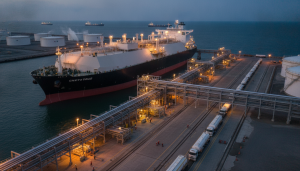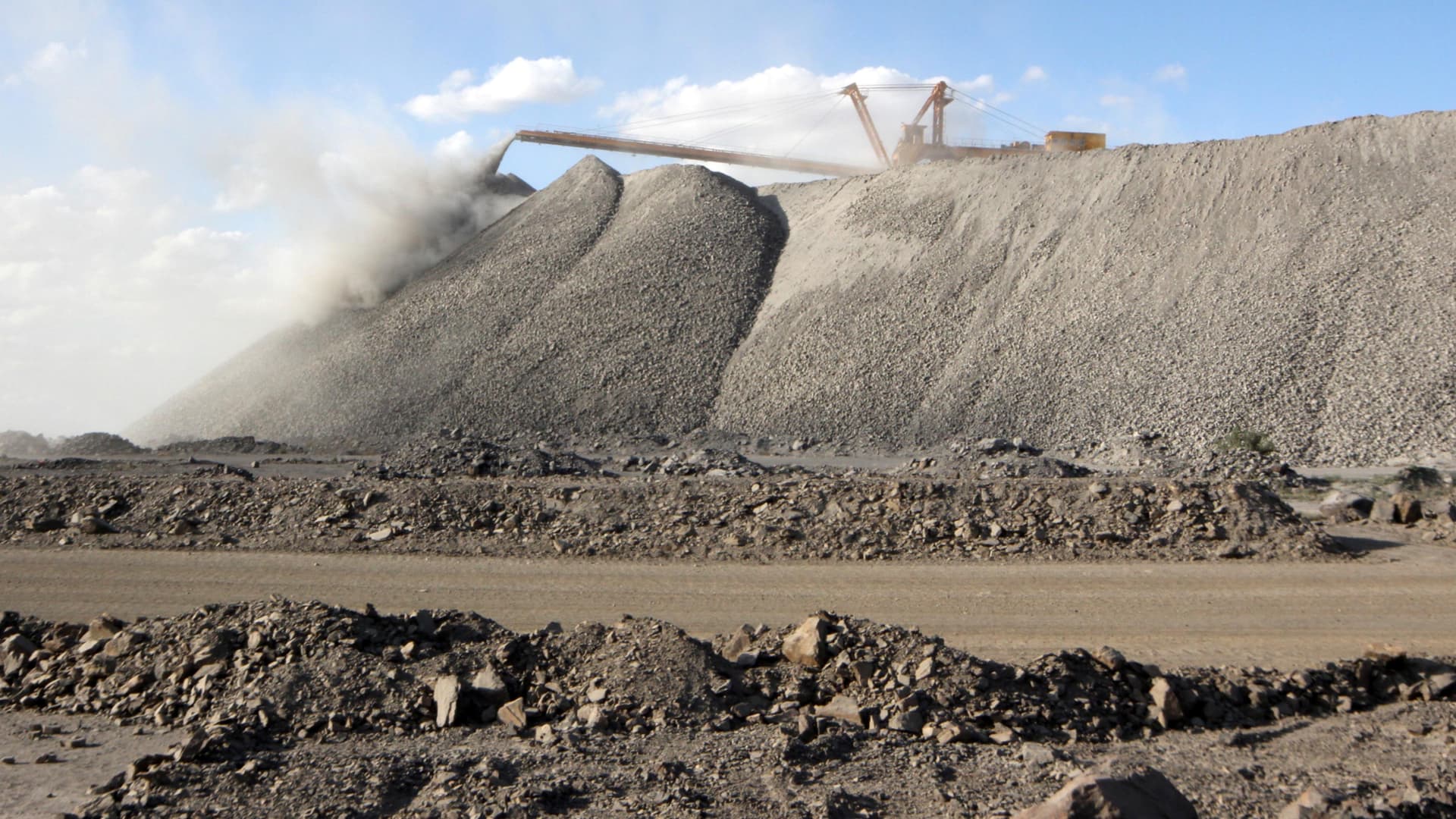
The global energy landscape is undergoing a profound transformation, moving beyond traditional hydrocarbon supply and demand dynamics to encompass the foundational elements of the modern industrial economy: critical minerals. Recent strategic moves by the U.S. government, particularly direct equity investments in domestic rare earth producers, signal a significant pivot towards resource nationalism and supply chain de-risking. This shift has far-reaching implications for investors, not just in the burgeoning critical minerals sector, but also for the broader oil and gas industry as geopolitical stability and industrial capacity become increasingly intertwined. As analysts, we must now view energy security through a wider lens, recognizing that the secure supply of rare earths and other essential materials is as critical to national interest and economic resilience as a stable crude oil flow.
Geopolitical Imperatives Driving Critical Mineral Strategy
The United States’ intensified focus on securing its critical mineral supply chain is a direct response to escalating geopolitical competition and a recognition of vulnerabilities. For years, nations like China have dominated the extraction, processing, and refining of rare earth elements, creating a significant point of leverage. In 2023, the U.S. remained heavily reliant on foreign sources for rare earths, with China accounting for a substantial 70% of imports. This dependency extends to crucial defense applications, from advanced weaponry like F-35 fighter jets and drones to submarines, underscoring the urgency of diversification. The recent move by the Defense Department to acquire a direct equity stake in a leading U.S. rare earth miner and magnet producer represents a groundbreaking model. This public-private partnership aims to accelerate domestic production and establish a resilient, onshore supply chain. For investors, this signals an era where national security interests will increasingly shape market opportunities and risk profiles within the critical minerals space, potentially favoring companies that align with strategic government objectives and offer domestic production capabilities.
Investment Implications Beyond the Mine Head
The Pentagon’s direct investment model, backed by an allocation of $540 million to date for critical mineral supply chain support, sets a new precedent. This isn’t merely about subsidies; it’s about active government participation in strategic industries. For investors in the broader energy and materials sectors, this raises crucial questions: How will such government intervention impact market valuations and competitive landscapes? Could this model extend to other areas deemed vital for national security or the energy transition, such as lithium, nickel, or cobalt? While many investors are keenly focused on traditional oil market metrics, such as building a base-case Brent price forecast for the next quarter, the underlying stability of the global industrial base is a fundamental driver of long-term energy demand. A secure and diversified critical mineral supply chain helps insulate industrial activity from geopolitical shocks, thereby offering a more predictable, albeit indirect, foundation for energy consumption. This strategic reshoring reduces risks associated with foreign supply disruptions, a factor that should increasingly inform long-term investment theses across the energy complex, providing a more robust backdrop against which to assess future demand for hydrocarbons and new energy sources.
Current Market Dynamics Amidst Strategic Shifts
While the long-term strategic game for critical minerals unfolds, the traditional oil and gas market continues to navigate its own set of immediate challenges and opportunities. As of today, Brent Crude trades at $94.85, showing a marginal daily decline of 0.08%, with a tight intraday range of $94.75-$94.91. WTI Crude follows a similar pattern, currently priced at $90.98, down 0.34%, fluctuating between $90.85 and $91.5. Gasoline prices also reflect this slight softening, standing at $3, a 0.33% decrease. However, this apparent daily stability masks significant volatility observed over the past two weeks. Brent, for instance, has experienced a notable decline of nearly 9%, dropping from $102.22 on March 25th to $93.22 just yesterday. This broader trend of price erosion signals a market grappling with complex demand signals, geopolitical uncertainties, and supply adjustments. Investors must weigh these short-term market fluctuations against the backdrop of an accelerating, state-backed drive for resource independence, recognizing that while oil prices react to immediate supply-demand balances, the strategic securing of critical minerals represents a foundational shift influencing the global economic and industrial landscape for decades to come.
Forward Catalysts and the Evolving Energy Security Equation
Looking ahead, the next two weeks present a series of crucial data points and meetings that will shape the immediate trajectory of the oil and gas markets, while the strategic minerals narrative continues its longer-term progression. The Baker Hughes Rig Count on April 17th and 24th will offer insights into North American production trends, a key variable for global supply. More critically, investors will closely monitor the OPEC+ Joint Ministerial Monitoring Committee (JMMC) meeting on April 18th, followed by the full Ministerial meeting on April 20th. These gatherings will determine the cartel’s production policy, directly influencing global crude supply. While the direct focus will be on crude quotas, a stable global industrial base, bolstered by secure critical mineral supply, underpins the demand side of this equation. Any perceived weakness in global industrial activity, potentially exacerbated by mineral supply chain disruptions, could pressure OPEC+ decisions. Furthermore, weekly crude inventory data from API on April 21st and 28th, and the EIA Weekly Petroleum Status Report on April 22nd and 29th, will provide granular detail on U.S. supply-demand balances. These traditional energy market catalysts, though seemingly distinct from critical mineral investments, are increasingly interconnected through the overarching theme of national resource security and industrial resilience. Investors should recognize that long-term stability in critical mineral supply will ultimately support the sustained economic growth necessary to drive future energy demand, reinforcing the intrinsic link between these seemingly disparate sectors.
The U.S. government’s proactive stance on critical mineral supply chains, exemplified by direct equity investments, marks a pivotal moment for resource-focused investors. This strategy not only aims to de-risk defense industrial capabilities but also establishes a template for bolstering national economic resilience against global supply shocks. While traditional oil and gas market dynamics continue to command attention, the foundational security offered by a robust domestic critical minerals industry will increasingly underpin long-term industrial growth and, by extension, global energy demand. Investors must integrate this evolving understanding of “energy security” into their analytical frameworks, recognizing that the future of energy investment is now inextricably linked to the secure and sovereign supply of the earth’s most essential materials.