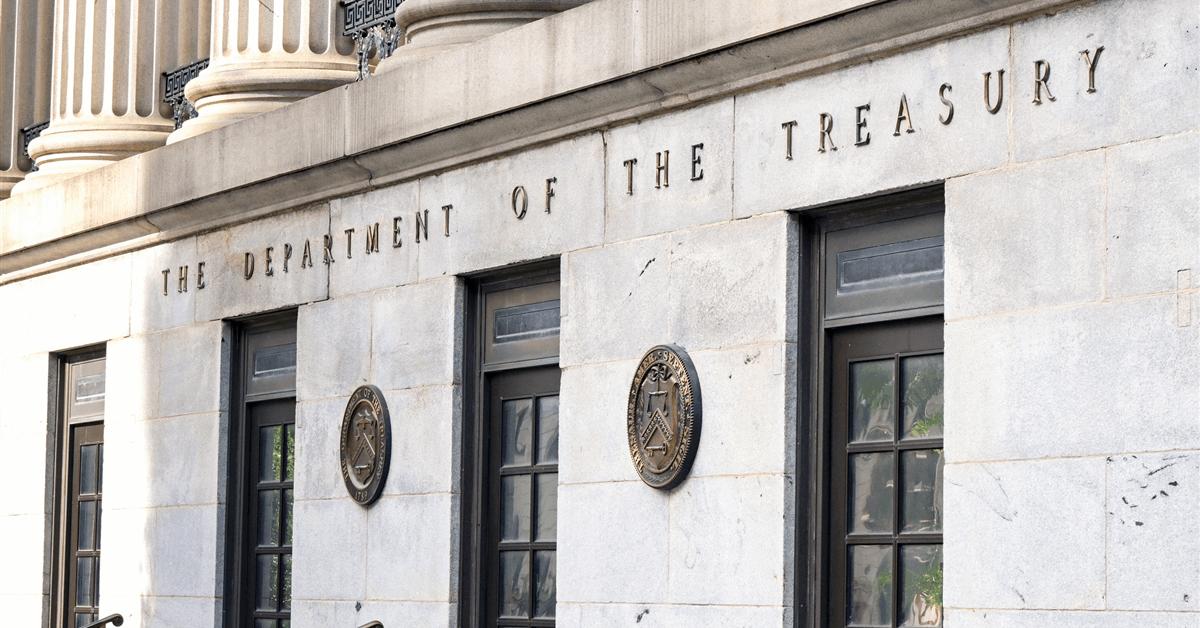
The global oil market is once again navigating the choppy waters of geopolitical tension, with the latest development seeing the United States intensify its pressure campaign against Venezuela’s oil exports. This week, the Treasury Department’s Office of Foreign Assets Control (OFAC) sanctioned four companies based in Hong Kong and mainland China—Zhejiang-based Corniola Ltd., and Hong Kong-based Aries Global Investment Ltd., Krape Myrtle Co, and Winky International Ltd.—alongside four associated vessels: Della, Nord Star, Rosalind, and Valiant. This move marks a significant escalation, explicitly targeting Chinese firms involved in Venezuela’s oil trade, a rare but impactful signal to Beijing. For energy investors, this action introduces fresh supply risk considerations and underscores the increasing fragmentation of global oil flows. Our analysis leverages OilMarketCap’s proprietary data to dissect the potential market impact and guide investment strategy.
Geopolitical Chess: Escalating Pressure on Venezuela’s Oil Lifeline
The recent sanctions are a deliberate escalation in the Trump administration’s long-standing campaign against the Maduro regime. By blacklisting these four companies and vessels, the US is directly confronting the “shadow fleet” that Venezuela has increasingly relied upon to bypass existing restrictions and generate crucial revenue. It’s a targeted strike at the logistical infrastructure supporting Venezuela’s oil exports, which represent a staggering 95% of the country’s national revenue. The decision to specifically target Chinese entities is particularly noteworthy, given China’s position as Venezuela’s largest oil customer. This isn’t merely about disrupting a few tankers; it’s a strategic move to send a clear message to Beijing about engaging with the sanctioned Venezuelan oil sector.
This action comes on the heels of other aggressive US measures, including sanctions against individuals and firms involved in alleged weapons trading, and numerous interceptions and strikes against vessels suspected of drug trafficking off the Venezuelan coast. While only one of the newly sanctioned vessels, the Rosalind, has recently been tracked near Venezuela, the US Treasury Department’s broader intent is to choke off financial lifelines. This comprehensive pressure campaign aims to isolate the Maduro regime further, but its ripple effects inevitably touch the broader global energy supply chain, forcing a reassessment of risk for any entity involved in the trade of Venezuelan crude.
Market Snapshot: Geopolitical Risk vs. Supply & Demand Fundamentals
Despite the fresh geopolitical tension, the immediate market reaction to these sanctions has been relatively muted, suggesting that broader supply and demand fundamentals or existing market risk premiums are currently overshadowing specific disruption fears. As of today, Brent Crude trades at $90.38, reflecting a marginal decline, while WTI Crude stands at $86.68, down 0.85% within its day range of $85.5 to $87.49. Gasoline prices remain stable at $3.04. This stability might seem counterintuitive given the added supply risk, but it reflects a complex interplay of factors.
Our proprietary market data shows a significant downward trend for Brent Crude over the past two weeks, plummeting from $118.35 on March 31 to $94.86 on April 20, and now settling around $90.38. This substantial 19.8% decline over a short period indicates that other market forces—perhaps concerns over global economic growth, robust inventory levels in key consuming nations, or a general easing of prior supply anxieties—have been dominant. While sanctions on a major oil producer like Venezuela would typically ignite fears of tighter supply, the market appears to be discounting the immediate impact, potentially due to the existence of ample global spare capacity or the perceived long-term effectiveness of such measures. However, this delicate balance could easily tip if global demand picks up or if other supply disruptions emerge concurrently.
Investor Sentiment and Forward-Looking Catalysts
Our proprietary reader intent data reveals a keen focus on crude oil price direction, with investors actively asking “is WTI going up or down?” and seeking predictions for oil prices by the end of 2026. This reflects a pervasive uncertainty that the latest sanctions only amplify. Investors are clearly grappling with how geopolitical friction, combined with macroeconomic trends, will shape the future of energy markets. Understanding this sentiment is crucial as we look ahead to key catalysts.
The coming weeks are packed with events that will shape the market narrative and offer critical data points for investors. The **OPEC+ Joint Ministerial Monitoring Committee (JMMC) Meeting today, April 21**, is particularly significant. Amidst escalating US sanctions and potential disruptions from Venezuela, any signals from OPEC+ regarding production levels or market assessments will be closely scrutinized. Will they maintain current quotas, or could the growing geopolitical risk prompt a discussion about potential supply adjustments?
Further insights will come from the **EIA Weekly Petroleum Status Reports on April 22 and April 29**, providing crucial updates on US crude oil and product inventories, refining activity, and demand indicators. These reports are vital for gauging the health of the world’s largest oil consumer and could either validate or challenge existing market sentiment. The **Baker Hughes Rig Count on April 24 and May 1** will offer a look into future US production capacity, a critical counterweight to global supply concerns. Finally, the **EIA Short-Term Energy Outlook on May 2** will offer a more comprehensive forecast, helping investors refine their medium-term price expectations in light of ongoing geopolitical tensions and evolving supply-demand dynamics. These events will provide context for how effectively the US sanctions might impact global crude availability and price stability.
Investment Implications: Navigating Enhanced Volatility
For energy investors, the renewed focus on Venezuela’s oil trade through the lens of US sanctions demands heightened vigilance. The market is currently absorbing this geopolitical risk without a significant price spike, but the underlying vulnerability remains. Companies with direct or indirect exposure to sanctioned regions, or those relying on intricate global supply chains, face increased scrutiny and potential operational hurdles. This environment favors companies with diversified asset portfolios, robust risk management frameworks, and secure, transparent supply routes.
While the immediate impact on global crude prices might be muted, the long-term trend points towards a more fragmented and complex global oil trade. The “shadow fleet” and the increasing resort to sanctions evasion tactics highlight a shift in how oil moves globally, potentially increasing costs and reducing transparency. Investors should monitor not only the volume of Venezuelan oil making it to market but also the broader implications for international shipping, insurance, and banking. The ongoing pressure campaign could also indirectly benefit producers in more stable regions, or those with strong relationships with major consuming nations less inclined to participate in such sanctions. Navigating this landscape requires careful due diligence, a keen eye on geopolitical developments, and a readiness to adapt to rapidly evolving market conditions.