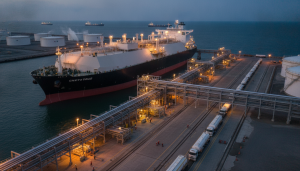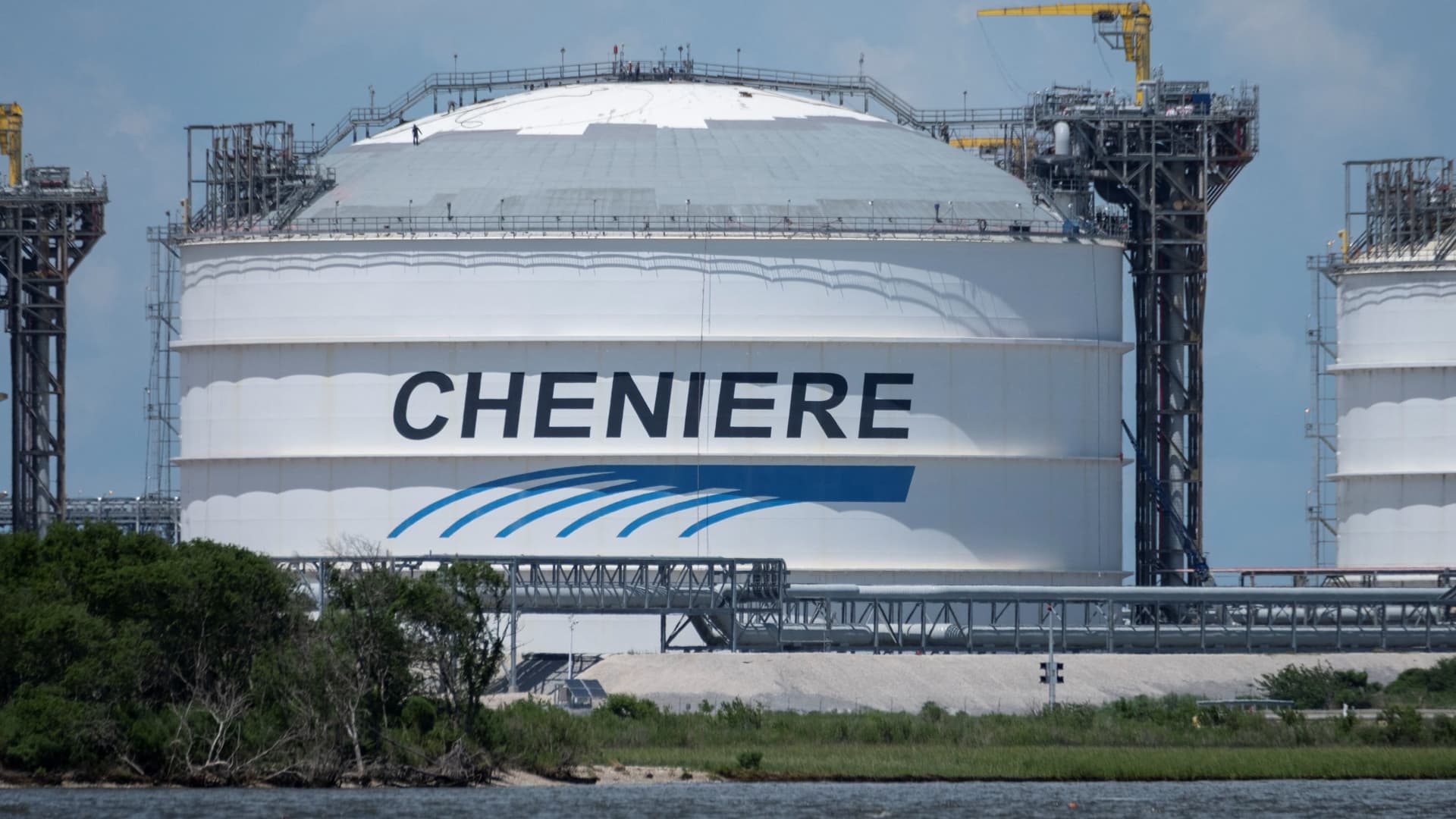
The landscape of global energy markets witnessed a significant shift this week, with US Liquefied Natural Gas (LNG) stocks experiencing a notable surge. This uptick was primarily catalyzed by a landmark agreement between the European Union and the United States, committing the bloc to purchase a staggering $750 billion in energy products from the U.S. This strategic pact, announced over the weekend, immediately sent shares of key LNG players like Cheniere Energy and Venture Global higher by approximately 3% and over 4% respectively, while infrastructure developers NextDecade and New Fortress Energy also saw gains exceeding 2%. For investors navigating complex energy dynamics, this deal represents a critical long-term demand signal for American natural gas, setting the stage for sustained growth in the sector amid broader market volatility.
The Geopolitical Catalyst Driving LNG Equities
The core of this week’s LNG market excitement stems directly from the EU’s proactive efforts to bolster its energy security and strategically reduce its historical reliance on specific geopolitical suppliers. EU President Ursula von der Leyen explicitly stated that these substantial purchases of US energy products, including LNG, oil, and nuclear fuels, are designed to diversify Europe’s supply sources. This isn’t merely a transactional agreement; it’s a strategic pivot with profound implications for global energy flows and the positioning of the United States as a pivotal energy exporter. The $750 billion commitment forms part of a broader trade deal, which also incorporates new tariffs and a substantial $600 billion investment pledge from Brussels into the U.S. economy, underscoring the deep economic and strategic ties being forged. This multi-faceted agreement provides a robust, long-term demand foundation for US LNG producers and the vital infrastructure companies that support their operations, translating directly into positive sentiment for their equity values.
Navigating a Volatile Crude Market: LNG’s Divergent Path
While the LNG sector celebrates this new demand certainty, the broader crude oil market paints a picture of stark contrast and heightened volatility. As of today, Brent crude trades at $90.38 per barrel, representing a significant daily decline of over 9%, with its intra-day range extending from $86.08 to $98.97. Similarly, WTI crude stands at $82.59, down more than 9% for the day, having oscillated between $78.97 and $90.34. This immediate downturn is part of a larger trend; our proprietary data indicates Brent crude has fallen by approximately $20.91, or 18.5%, over the past 14 days, from $112.78 on March 30th to $91.87 yesterday. This divergence highlights a critical investment thesis: long-term, contracted LNG agreements offer a degree of insulation from the short-term speculative pressures and geopolitical anxieties that often buffet crude prices. For investors seeking stability and predictable cash flows within the energy complex, the EU-US LNG pact reinforces the appeal of natural gas infrastructure and export plays as a potential hedge against the inherent capriciousness of the wider crude market.
Investor Sentiment and the Long-Term LNG Outlook
Our proprietary reader intent data consistently reveals that investors are keenly focused on the future direction of energy prices and the performance of key players within the sector. Common inquiries this week include “what do you predict the price of oil per barrel will be by end of 2026?” and questions regarding the outlook for specific energy companies. This reflects a pervasive desire for clarity in a complex market. The EU-US energy pact directly addresses some of these long-term uncertainties for LNG. By securing a massive, multi-year commitment, the deal provides a clear signal for sustained demand that extends well beyond current market fluctuations. This long-term contractual visibility is particularly attractive to investors looking to de-risk their energy portfolios. Companies like NextDecade and New Fortress Energy, focused on building the crucial liquefaction and export infrastructure, stand to benefit immensely from this guaranteed demand, as it underpins the justification for significant capital expenditures and expansion projects. This strategic foundation makes US LNG a compelling component for investors building a resilient energy portfolio, offering growth potential that is less susceptible to immediate crude price swings.
Upcoming Events Shaping the Energy Landscape
While the EU-US deal provides a strong tailwind for LNG, investors must remain vigilant of broader energy market dynamics influenced by a series of upcoming events. The immediate focus for many will be on the critical OPEC+ meetings, with the Joint Ministerial Monitoring Committee (JMMC) convening tomorrow, April 18th, followed by the Full Ministerial meeting on Sunday, April 19th. Any decisions regarding production quotas could significantly impact global crude supply and, by extension, the overall energy price environment. Further insight into market fundamentals will come from the weekly API and EIA crude inventory reports, scheduled for April 21st and 22nd respectively, offering a snapshot of US supply and demand. The Baker Hughes Rig Count on April 24th will provide crucial data on upstream activity, signaling future production trends. While these events directly address crude and broader petroleum markets, their outcomes will invariably shape the competitive landscape for all energy commodities, including LNG. A tighter crude market, for instance, could indirectly enhance the attractiveness of natural gas as a flexible and increasingly diversified energy source, reinforcing the strategic value of the recent EU-US agreement.
In conclusion, the substantial energy supply agreement between the EU and the U.S. marks a pivotal moment for American LNG, reinforcing its strategic importance and providing a robust foundation for long-term growth. While the broader crude market navigates significant volatility, the contracted demand for LNG offers a compelling narrative of stability and strategic diversification for investors. As we move forward, monitoring both the micro-level progress of LNG infrastructure projects and the macro-level shifts driven by geopolitical developments and key industry events will be crucial for capitalizing on the evolving energy investment landscape.