US-China Talks Shape Crude Outlook, Investor Risk
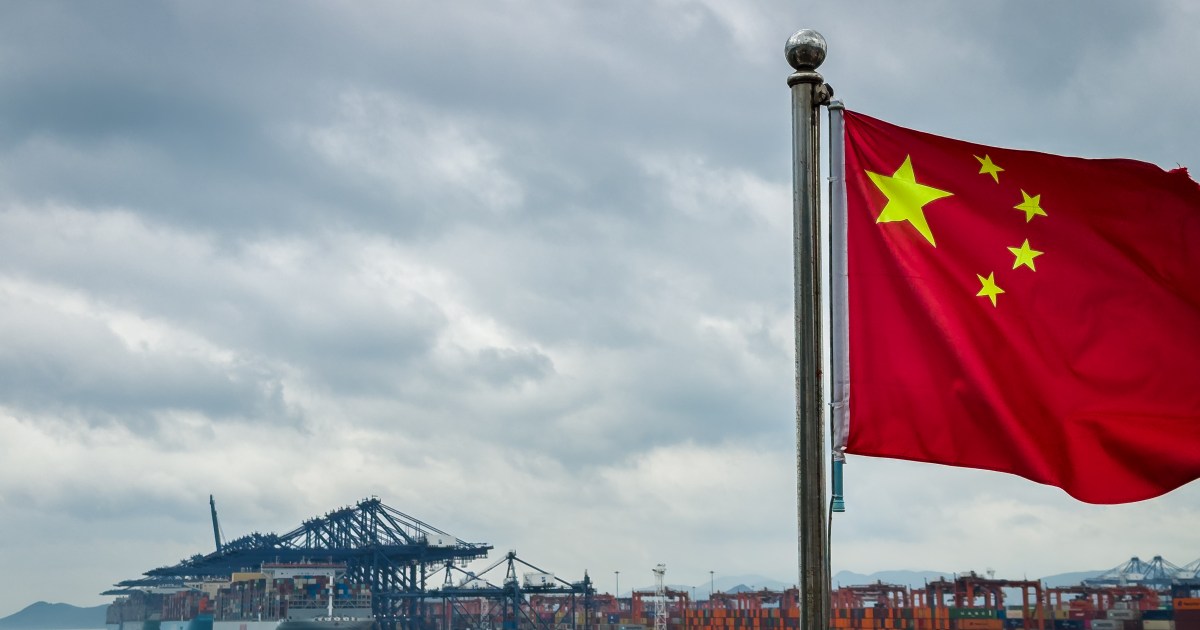
The global energy landscape, particularly the crude oil market, finds itself at a critical juncture as the world’s two largest economies, the United States and China, engage in pivotal trade discussions. High-level delegations convened in Switzerland this week, marking the first official dialogue on trade since the implementation of severe tariffs that effectively created a mutual commercial blockade. For oil and gas investors, these negotiations are not merely political theater; they are direct determinants of future demand projections, price stability, and ultimately, portfolio performance.
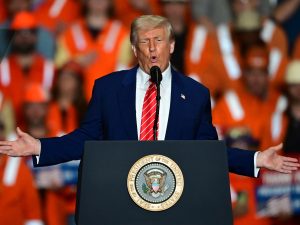
The stakes are undeniably high. Former US President Donald Trump initiated a substantial 145 percent tariff on various Chinese goods, which Beijing promptly countered with a 125 percent duty. This tit-for-tat escalation has deeply unsettled global financial markets, with the energy sector feeling the reverberations most acutely. Representing Washington are Treasury Secretary Scott Bessent and US Trade Representative Jamieson Greer, while Vice Premier He Lifeng leads the Chinese delegation. Businesses and investors worldwide are keenly aware that a prolonged trade dispute possesses the potential to inflict severe damage on the global economy, directly translating into diminished demand for crude oil and other energy commodities.
Geopolitical Tensions and Global Energy Demand
The shadow of an enduring trade conflict has already begun to darken global economic forecasts. The International Monetary Fund (IMF) recently adjusted its global growth projection for 2025 downwards, revising it from an initial 3.3 percent to a more conservative 2.8 percent. This significant downgrade is explicitly attributed to the ongoing trade skirmishes that originated under the previous US administration. Compounding these concerns, leading economists are increasingly raising alarms about the possibility of a US economic recession within the current year, with JP Morgan Research estimating a substantial 60 percent likelihood. Such a downturn in the world’s largest economy would invariably send shockwaves through international energy markets.
These macroeconomic headwinds directly impact the crude oil market. A decelerating global economy inherently means reduced industrial activity, less transportation, and lower overall energy consumption. This scenario places significant downward pressure on oil prices, consequently affecting the profitability and valuation of oil and gas ventures across the upstream, midstream, and downstream segments. The US economy itself experienced a 0.3 percent contraction in the first quarter of the year. This occurred largely before the full impact of the most recent round of tariffs, underscoring the inherent fragility of the present economic environment. For energy investors, these indicators necessitate unwavering vigilance, as the trajectory of trade relations could fundamentally alter demand forecasts and necessitate strategic adjustments to investment portfolios.
Washington’s Strategy: Seeking Equilibrium, Not Rupture
In a post-announcement interview, Treasury Secretary Bessent clarified Washington’s strategic objectives, emphasizing that the US is not seeking to “decouple” its economy from China’s. Instead, the primary focus remains squarely on achieving “fair trade.” Bessent highlighted a “shared interest” in these discussions, acknowledging that the current punitive tariff levels are simply unsustainable for both economic behemoths in the long run. While tempering expectations for an immediate, comprehensive trade agreement, he indicated that the initial talks would prioritize “de-escalation” over securing a “big trade deal.” This pragmatic approach from Secretary Bessent suggests a phased pathway toward resolving the trade impasse, focusing on immediate stabilization before tackling broader structural issues.
This measured stance provides a glimmer of hope for market stability. A commitment to de-escalation, even without a grand bargain, can alleviate some of the immediate uncertainties that have plagued commodity markets. Investors should interpret this as a signal that both nations recognize the mutual economic harm caused by the current trade environment. The emphasis on “fair trade” suggests a desire to address perceived imbalances and intellectual property concerns, rather than an outright severing of economic ties. Such a strategic shift could gradually restore confidence, potentially bolstering long-term demand outlooks for crude oil as global trade flows normalize.
Implications for Oil & Gas Investors
For discerning oil and gas investors, the outcome of these US-China discussions will be a critical factor in shaping market dynamics for the foreseeable future. A successful de-escalation, even partial, could provide a much-needed tailwind for global economic activity, thereby stimulating increased demand for crude oil and refined products. Conversely, a breakdown in talks or a renewed escalation of trade tensions would likely exacerbate existing economic anxieties, leading to further downward revisions in demand forecasts and increased volatility in crude futures.
Investors must closely monitor the language and outcomes of these negotiations. The direct correlation between global trade health and energy consumption means that any progress toward resolving the tariff dispute could unlock significant upside potential for energy stocks and commodity prices. Upstream exploration and production companies, in particular, stand to benefit from a more stable and higher price environment driven by robust demand. Conversely, continued uncertainty could lead to cautious capital expenditure decisions and pressure on profit margins. Portfolio managers should consider hedging strategies or diversifying their energy holdings to mitigate risks associated with geopolitical trade friction. The interplay of demand-side pressures from potential economic slowdowns and supply-side management by major producers like OPEC+ will continue to define the market, with US-China relations acting as a dominant demand-side variable.
In conclusion, the ongoing US-China trade talks represent a pivotal moment for the global economy and, by extension, the energy sector. While an immediate grand agreement may not be on the horizon, the stated commitment to de-escalation offers a cautious optimism for investors. The path ahead will be complex, but any steps toward normalizing trade relations will be closely watched by those navigating the intricate currents of the oil and gas investment landscape.