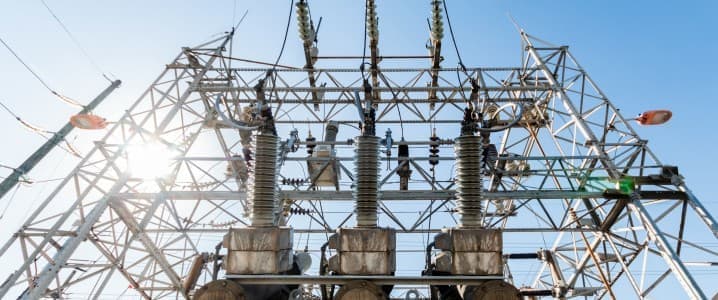
The intensifying energy conflict in Ukraine is sending ripples across European energy markets, with significant implications for global oil and gas investors. As autumn temperatures fall, Russia has escalated attacks on Ukraine’s power grid and natural gas infrastructure, prompting a sharp increase in Ukrainian electricity imports from the European Union. This strategic targeting not only creates immediate humanitarian crises but also fundamentally alters regional energy balances and investment outlooks for the coming winter. For investors, understanding these shifts, coupled with broader market dynamics and upcoming supply-side decisions, is crucial for navigating what promises to be a volatile period in energy commodities.
Ukraine’s Energy Lifeline Strains EU Supply
The latest data reveals a stark picture of Ukraine’s escalating energy needs. In October, Ukraine’s electricity imports from the EU surged to 360 megawatt-hours (MWh), marking the highest level observed this year. This represents a significant jump from 140 MWh in September and 264 MWh in August, highlighting the immediate impact of Russia’s intensified attacks. These critical imports, primarily sourced from Poland and Hungary, underscore Ukraine’s reliance on its Western neighbors to keep its grid operational. While Ukraine possesses an import capacity of up to 2,100 MW per hour, currently utilizing between 30% and 50% of this potential according to Ukrenergo’s Vitalii Zaichenko, the sustained pressure from ongoing assaults risks pushing this capacity closer to its limits, potentially straining the broader European grid as winter demand rises. This situation creates a direct demand pull on European power generation, which in turn influences natural gas consumption, a key input for many power plants.
Crude Oil Prices Grapple with Geopolitical Risk and Macro Headwinds
Despite the escalating geopolitical tensions in Eastern Europe and the direct threats to energy infrastructure, crude oil markets are currently experiencing a pronounced downturn. As of today, Brent Crude trades at $90.38, marking a significant 9.07% decline within the day, with its range fluctuating between $86.08 and $98.97. Similarly, WTI Crude stands at $82.59, down 9.41% for the day. This daily volatility follows a more substantial trend: Brent has shed $22.4, or nearly 19.9%, from $112.78 on March 30th to its current level on April 17th. Gasoline prices reflect this sentiment, currently at $2.93, down 5.18% on the day. This apparent disconnect between heightened geopolitical risk and falling prices suggests that broader macroeconomic concerns, such as slowing global demand, persistent inflation, and the specter of continued interest rate hikes, are currently exerting a stronger influence on investor sentiment than immediate supply disruptions. Investors are clearly grappling with the question of future oil prices, as evidenced by proprietary reader intent data indicating a strong interest in predicting oil’s trajectory by the end of 2026. While the conflict in Ukraine adds a risk premium, the dominant narrative in the short term appears to be one of demand uncertainty.
Winter’s Looming Challenge: Ukraine’s Natural Gas Deficit
Beyond electricity, the most critical energy challenge for Ukraine this winter will be natural gas supply. Recent Russian attacks on energy infrastructure in regions like Poltava and Kharkiv have reportedly forced the shutdown of approximately 60% of Ukraine’s domestic natural gas production. This massive disruption ahead of the cold season means Ukraine will be compelled to significantly increase its natural gas imports to meet heating and power generation demands. Ukrainian Prime Minister Yulia Svyrydenko has already confirmed discussions with energy companies about “increasing imports of energy resources” and “scaling up generation.” This heightened demand from Ukraine will inevitably put upward pressure on European natural gas prices, particularly if a cold winter materializes. For investors holding positions in European gas futures, LNG suppliers, or companies with significant exposure to European energy markets, this situation represents a critical supply-demand rebalancing act that warrants close monitoring. The capacity of EU countries to meet this additional demand, while maintaining adequate storage levels, will be a key determinant of price stability.
Forward Outlook: OPEC+ Decisions and Market Signals
Looking ahead, the next two weeks will be critical for shaping the energy investment landscape, with several key events directly impacting supply-side decisions and market transparency. Investors are particularly focused on the upcoming OPEC+ Joint Ministerial Monitoring Committee (JMMC) Meeting on April 19th, followed by the full OPEC+ Ministerial Meeting on April 20th. With Brent crude having fallen nearly 20% in less than three weeks, a key question for investors, many of whom are asking about current OPEC+ production quotas, is how the alliance will respond to the softening price environment. Will they maintain current cuts, or consider deeper reductions to stabilize prices? Any surprise decisions could trigger significant market volatility. Furthermore, the regular cadence of market data will provide crucial insights: the API Weekly Crude Inventory reports on April 21st and 28th, followed by the more authoritative EIA Weekly Petroleum Status Reports on April 22nd and 29th, will offer a clearer picture of U.S. supply and demand dynamics. These reports, alongside the Baker Hughes Rig Count on April 24th and May 1st, will inform our understanding of domestic production trends. The interplay between OPEC+’s strategic moves, U.S. inventory builds or draws, and the ongoing geopolitical risks emanating from Ukraine will collectively define the trajectory for crude oil and natural gas prices through the second quarter and set the stage for the rest of 2026.


