UK-EU Pact Signals Economic Stability, Repercussions for Energy Investment Eyed
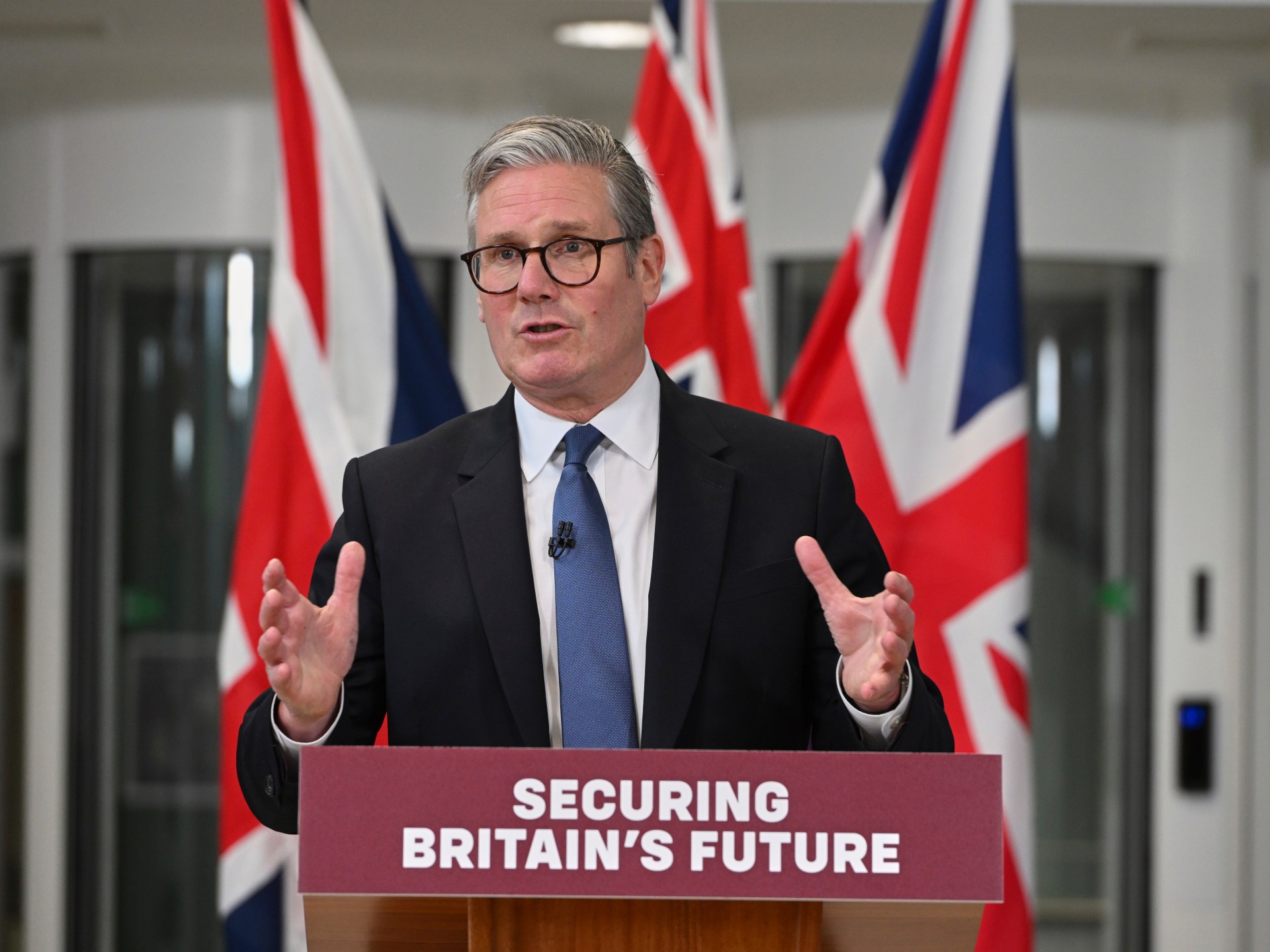
London, United Kingdom — A recently unveiled agreement between the United Kingdom and the European Union, encompassing defense, security, and trade, has been heralded by British Prime Minister Keir Starmer as a transformative “win-win” scenario, positioning the nation “back on the world stage.” Announced on May 19, this pact emerges nine years after the UK’s pivotal vote to exit the EU, stirring a familiar mix of relief and fervent critique across the political spectrum, underscoring the enduring schisms of Brexit.
For investors keenly tracking the energy sector, particularly within the dynamic UK and EU markets, this new deal merits close attention. While not directly an energy-focused accord, its broad implications for economic stability, trade friction reduction, and investor sentiment are poised to ripple through oil and gas operations, supply chains, and capital allocation strategies across the region.
The agreement introduces practical concessions, including enhanced European visa access for British citizens, expedited airport transit, and the potential for reduced food prices within the UK. However, these gains are balanced by the UK’s commitment to grant European fishing fleets continued access to British waters for an additional 12 years. Such compromises, though contentious for some, are viewed by many in the business community as essential steps towards re-establishing a more predictable and harmonious trade relationship, a crucial backdrop for any long-term energy investment decisions.
Renewed Business Confidence: A Catalyst for Energy Capital?
The immediate business response to the deal has largely been positive, suggesting a potential uplift in economic activity that could indirectly benefit the energy sector. Phil Rusted, who manages Practical Plants in Suffolk and relies heavily on European imports, articulated a sentiment of profound relief, calling it “the best news we have got in nine years.” He noted that the deal “almost gets us back to where we were before Brexit,” anticipating greater certainty in costs and the capacity to expand his business and workforce. This sentiment of reduced unpredictability and clearer operational parameters is precisely what energy companies, navigating multi-year projects and significant capital outlays, crave.
Philip Shaw, chief economist at Investec Bank, echoed this optimism, asserting that in a global climate threatened by rising protectionism, “trade deals, even if relatively minor, are generally good news.” He specifically highlighted the food sector as an “obvious gainer” from reduced border checks, leading to “a material difference to exporters’ and importers’ costs.” From an oil and gas perspective, such efficiencies, even if initially applied to other sectors, signal a broader intent to streamline trade and logistics. This could translate into fewer delays and lower costs for the movement of specialized equipment, personnel, and services critical to exploration, production, and refining operations within the UK and across the European continent.
The Federation of Small Businesses (FSB), representing a vital segment of the UK economy, lauded the EU deal as “genuine progress,” specifically praising its success in “untangling the rules for small exporters of plant and animal products.” The FSB lamented that for too long, small and medium-sized enterprises (SMEs) have “shouldered the burden of unpredictable customs rules and red tape that sap confidence and ambition.” For the energy industry, particularly smaller service providers or specialized technology firms, a reduction in such administrative hurdles can unlock innovation and reduce operational friction, potentially making UK-EU cross-border projects more attractive for investment.
Macroeconomic Stability and Energy Demand Outlook
Beyond specific trade mechanisms, the deal’s broader impact on macroeconomic stability is a key consideration for energy investors. Increased business confidence, coupled with potentially lower consumer costs (such as food prices), can stimulate overall economic growth. This, in turn, underpins energy demand across industrial, commercial, and residential sectors. A more stable economic environment fosters greater predictability in energy consumption patterns, a critical factor for long-term planning in the oil and gas industry.
Public opinion also appears to favor closer ties with the EU, with a YouGov poll indicating that 66 percent of UK citizens desire a closer relationship, compared to just 14 percent who do not. This popular backing for improved relations could translate into a more stable and less contentious policy environment, which is highly beneficial for the longevity and security of significant energy investments. Political stability and a predictable regulatory landscape are paramount for projects with investment horizons spanning decades, such as offshore oil and gas developments or liquefied natural gas (LNG) import terminals.
Navigating the Nuances: Investor Due Diligence in a Shifting Landscape
While the overall sentiment is positive, experts caution that the “devil in a trade deal is of course always in the detail,” as noted by Paul Dales, chief economist at Capital Economics. The UK’s agreement to an unspecified “appropriate” payment and the extended fishing access represent compromises. For energy investors, understanding the full financial implications of such commitments, particularly the unspecified payment, will be crucial. These fiscal considerations could impact government spending priorities, potentially influencing public funds available for energy transition initiatives, infrastructure development, or even direct subsidies for certain energy projects.
From an oil and gas perspective, the deal’s ability to reduce supply chain friction and improve the ease of doing business between the UK and the EU is perhaps its most compelling aspect. The industry relies heavily on intricate international logistics, specialized equipment from various European manufacturers, and a mobile workforce of highly skilled professionals. Any measure that simplifies cross-border movement of goods and people can lead to significant cost savings, faster project execution, and enhanced operational efficiency.
Strategic Outlook for Oil and Gas Investors
In conclusion, while the UK-EU deal is not explicitly an energy agreement, its profound implications for economic stability, trade fluidity, and investor confidence are undeniable for the oil and gas sector. Companies operating in the North Sea, those involved in energy infrastructure connecting the UK and continental Europe, or firms with extensive supply chains across both blocs, stand to benefit from the anticipated reduction in trade barriers and regulatory unpredictability.
For investors on OilMarketCap.com, this deal signals a potentially more robust and predictable investment climate in a key global energy hub. The emphasis on streamlining trade and reducing red tape, even if initially for other sectors, sets a precedent for broader economic cooperation that could ultimately enhance supply chain resilience, improve capital allocation efficiency, and foster a more stable long-term outlook for oil and gas assets within the UK and the wider European market. Diligent analysis of the fine print, however, remains essential as the full scope of implementation unfolds.