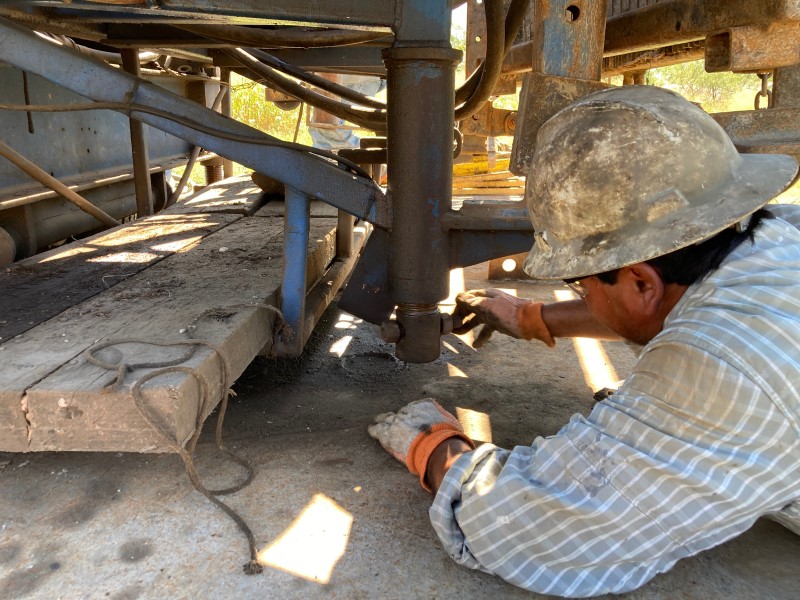
The U.S. Department of the Interior’s recent announcement regarding the streamlining of the federal Orphaned Wells State Formula Grant Program marks a significant development for the oil and gas sector, particularly for operators in Texas. This reform, aimed at simplifying the processes for plugging abandoned wells, is more than just a bureaucratic adjustment; it represents a tangible step towards reducing operational friction and long-term liabilities for the industry. For investors, this move signals a more efficient deployment of capital and a clearer pathway for managing environmental responsibilities, ultimately enhancing the attractiveness of domestic energy production. We believe this policy shift will contribute to greater operational predictability and potentially lower the ESG-related risk profile for companies operating in the region.
Streamlining Operations and Mitigating Long-Term Liability
The core of this federal reform lies in its commitment to “common sense governance,” a sentiment echoed by Texas’s energy leadership. For years, the cumbersome bureaucratic processes associated with federal orphaned well programs have led to escalated plugging costs and significant delays in environmental remediation. These inefficiencies directly translate into increased financial burdens, not just for taxpayers funding the clean-up, but also indirectly for operators who might face future regulatory pressures or liability transfers. By cutting through red tape and allowing the Railroad Commission of Texas to leverage its “world-renowned well plugging expertise,” the revised program is poised to make the plugging process far more efficient. This means taxpayer funds will be used more effectively, plugging a greater number of wells faster. For oil and gas companies, a more efficient system for addressing orphaned wells reduces the specter of future, unforeseen liabilities that can weigh on balance sheets and investor confidence. It’s a proactive step that de-risks a portion of the environmental legacy associated with aging infrastructure, providing greater clarity on long-term operational expenses.
Market Dynamics: Efficiency Amidst Price Volatility
In the current market environment, policy changes that enhance operational efficiency and reduce long-term costs are particularly salient. As of today, Brent Crude trades at $94.66 per barrel, showing a slight daily dip of 0.28%, with its range for the day between $94.59 and $94.91. WTI Crude follows a similar trend, priced at $90.77, down 0.57%, having traded between $90.67 and $91.50. This stability, however, comes after a notable shift in recent weeks; the 14-day Brent trend reveals a decline from $102.22 on March 25th to $93.22 on April 14th, marking a $9 or 8.8% reduction. Gasoline prices also reflect this sentiment, currently at $2.99, down 0.67%. In a market where crude prices have demonstrated recent downward pressure, even if modest, any measure that reduces operating expenses or mitigates future financial risk becomes a significant advantage for producers. The ability to manage legacy liabilities more cost-effectively can improve cash flow, protect margins, and allow companies to better navigate periods of price volatility, bolstering their resilience and attractiveness to investors.
Investor Focus: De-Risking Domestic Production and Price Forecasts
Our proprietary reader intent data reveals a consistent investor focus on future price trajectories, with many asking for a base-case Brent price forecast for the next quarter and a consensus 2026 Brent forecast. This emphasis on forward-looking pricing underscores the need for regulatory stability and reduced operational uncertainty. The federal well reform, by addressing a significant environmental and financial liability, contributes positively to the long-term investment case for U.S. domestic oil and gas production, particularly in prolific basins like Texas. By making the process of plugging orphaned wells more predictable and less burdensome, the policy indirectly de-risks future capital expenditures and operational planning. While not directly impacting day-to-day crude prices, a more stable and efficient regulatory environment can positively influence investor sentiment, potentially leading to a slight uplift in long-term valuation models for producers. This clarity helps analysts and investors build more confident base-case scenarios for future Brent prices, as it supports the continued, efficient operation of a key supply region.
Anticipating Future Sector Dynamics and Upcoming Catalysts
This policy change, while focused on legacy issues, has forward-looking implications that intertwine with upcoming industry events. The improved efficiency in managing orphaned wells could subtly influence the broader investment landscape and future drilling activity. Investors will be closely watching the Baker Hughes Rig Count on April 17th and April 24th for indicators of drilling sentiment. While the direct link isn’t immediate, a reduction in regulatory hurdles and liability concerns could, over time, foster a more favorable environment for new drilling and production, bolstering domestic supply. Furthermore, as OPEC+ holds its Joint Ministerial Monitoring Committee (JMMC) meeting on April 18th and the full Ministerial meeting on April 20th, the global supply picture remains a critical determinant of price. Any policy that enhances the efficiency and stability of a major non-OPEC producer like the U.S. reinforces its competitive position. Weekly data points, such as the API Weekly Crude Inventory (April 21st, April 28th) and the EIA Weekly Petroleum Status Report (April 22nd, April 29th), will continue to provide real-time insights into supply and demand balances, where the operational health and efficiency of the domestic sector play a crucial role. This reform, therefore, is a quiet but significant contributor to the underlying strength of the U.S. oil and gas market, providing a more robust foundation for future growth and profitability.