Geopolitical Crossroads: US-Iran Tensions Reshape Oil Market Dynamics
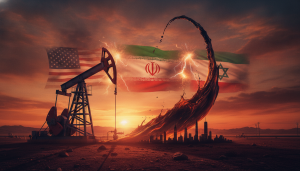
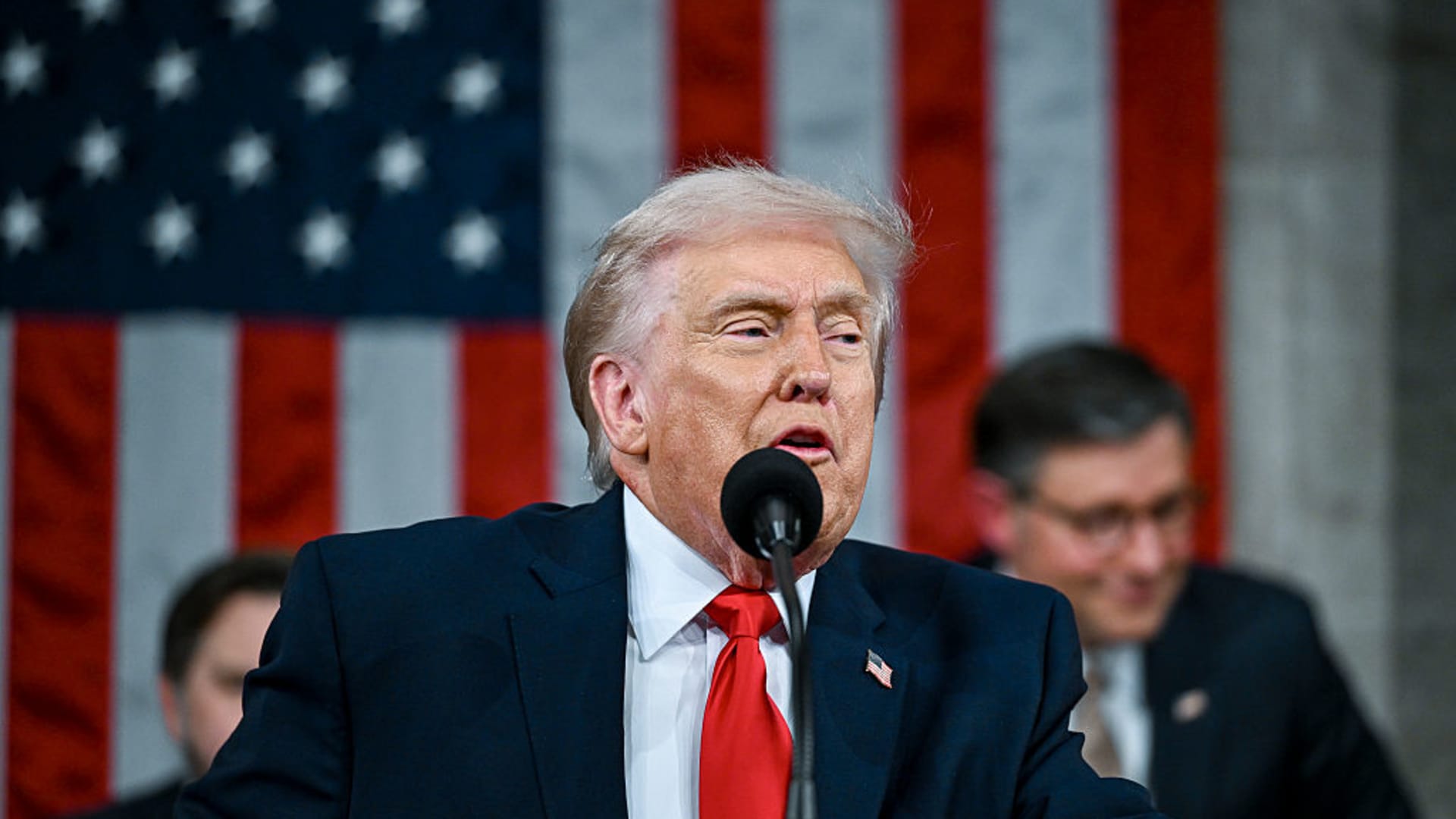
The global oil market finds itself once again at a critical juncture, navigating the complex interplay of geopolitical tensions and fundamental supply-demand dynamics. Weeks after President Trump’s strong rhetoric in his February 24, 2026 State of the Union address and the subsequent diplomatic push in Geneva, the specter of confrontation with Iran continues to cast a long shadow over the oil-rich Middle East. While initial hopes for an immediate diplomatic breakthrough may have tempered, the ongoing military buildup, exemplified by assets like the USS Gerald R. Ford in the region, ensures that crude supply remains sharply in focus. Investors are keenly watching every development, trying to discern the true risk premium from the noise, especially as the market grapples with a significant recent price correction and looming supply-side decisions.
Market Reacts to Enduring Risk Amidst Price Volatility
Despite the initial flurry of diplomatic activity following President Trump’s early March deadline for Iran, the underlying geopolitical uncertainty persists, manifesting in today’s market movements. As of today, Brent Crude trades at $93.86, marking a robust 3.79% increase within a daily range of $89.11 to $95.53. Similarly, WTI Crude has climbed to $90.22, up 3.2% from its daily low of $85.50. This bullish daily performance reflects a renewed sensitivity to the geopolitical backdrop, with traders re-evaluating the potential for supply disruptions in the Strait of Hormuz, a critical chokepoint for global oil flows. However, today’s gains should be viewed in the context of a broader market trend: Brent crude experienced a significant decline from $118.35 on March 31 to $94.86 on April 20, representing a nearly 20% correction. This substantial drop indicates that while geopolitical risk is ever-present, other factors such as concerns over global demand, or perhaps an earlier over-pricing of risk, have recently exerted dominant downward pressure. The current rebound suggests a fresh assessment of the immediate risks, or a technical correction from an oversold position, rather than a sustained shift in the long-term outlook.
Decoding Diplomatic Signals and the Shifting Risk Premium
The geopolitical narrative around Iran remains a tapestry of contrasting signals, creating a challenging environment for investors attempting to price in risk. Following President Trump’s February declaration prioritizing diplomacy but threatening “bad things” without a deal for Iran to “never have a nuclear weapon,” analysts offered divergent interpretations. While some, like George Pollack of Signum Global Advisors, suggested Trump’s approach was primarily about “optics of a win” and expected diplomatic success from the Geneva talks earlier this year, others highlighted the serious implications of a “10-to-15-day deadline” for Iran, as noted by strategists at ING. The Iranian Foreign Minister’s statement in February that an agreement was “within reach” further complicated the picture, suggesting a path to de-escalation that has yet to fully materialize. The current challenge for the market is to reconcile these past signals with the ongoing reality. The sharp decline in Brent prices over the last two weeks, even amidst persistent tensions, indicates that the market had either discounted the immediate threat or was more focused on other macroeconomic headwinds. The recent military buildup, including the deployment of the USS Gerald R. Ford aircraft carrier earlier this year, serves as a constant reminder of the escalation potential, ensuring that while the risk premium might fluctuate, it remains an embedded component of crude oil pricing, ready to surge on any fresh development.
Upcoming Catalysts: Navigating the Near-Term Energy Calendar
Beyond the geopolitical headlines, the coming weeks present a dense calendar of energy-specific events that will significantly influence oil market direction. On April 21, the OPEC+ JMMC Meeting is a critical watch point. Any indications of a shift in production policy, whether an extension of current cuts or a surprise adjustment, could immediately impact global supply expectations and crude prices. Following closely, the EIA Weekly Petroleum Status Report on April 22 and again on April 29 will provide crucial insights into U.S. crude inventories, refining activity, and demand trends, often serving as a barometer for market health. The Baker Hughes Rig Count on April 24 and May 1 will offer a glimpse into future U.S. shale production, a key supply side variable. Furthermore, API Weekly Crude Inventory reports on April 28 and May 5 will provide early indicators ahead of the official EIA data. A particularly important event for longer-term outlooks is the EIA Short-Term Energy Outlook on May 2. This report will offer updated forecasts for supply, demand, and prices, providing a comprehensive view that can shape investor sentiment for months. The confluence of these scheduled data releases and policy discussions with the ever-present geopolitical overhang means that investors must remain agile, as each event holds the potential to trigger significant price movements.
Addressing Investor Concerns: WTI Direction and Long-Term Outlook
Our proprietary data on investor inquiries reveals a clear focus on price direction and long-term market performance. Questions like “is WTI going up or down” highlight the immediate desire for clarity in a volatile market, while queries about the “price of oil per barrel by end of 2026” underscore a need for strategic foresight. Currently, the daily rebound in both Brent and WTI indicates a short-term bullish sentiment, likely driven by a renewed focus on geopolitical risks and potential short-covering. However, the substantial nearly 20% drop in Brent prices over the past 14 days suggests that underlying bearish pressures have been strong. For the remainder of 2026, the trajectory of oil prices will hinge on a delicate balance. On one hand, persistent US-Iran tensions maintain a significant floor under prices, with any military escalation or sustained disruption in Middle Eastern supply channels capable of sending crude significantly higher. On the other, global economic growth concerns, particularly if major economies slow more than anticipated, could dampen demand and cap upside potential. OPEC+ policy will also be paramount; should the alliance decide to increase output, it could alleviate supply tightness, but a decision to maintain or deepen cuts would further support prices. Investors should anticipate continued volatility, with both geopolitical headlines and fundamental reports shaping short-term movements. Our analysis suggests that while the immediate future remains susceptible to news flow, the long-term outlook for oil through 2026 will be defined by the global economy’s health, the effectiveness of OPEC+ management, and the ultimate resolution, or lack thereof, of the critical diplomatic challenges in the Middle East.