Trump Policy: Price Floors Could Reshape US Oil Markets for Investors
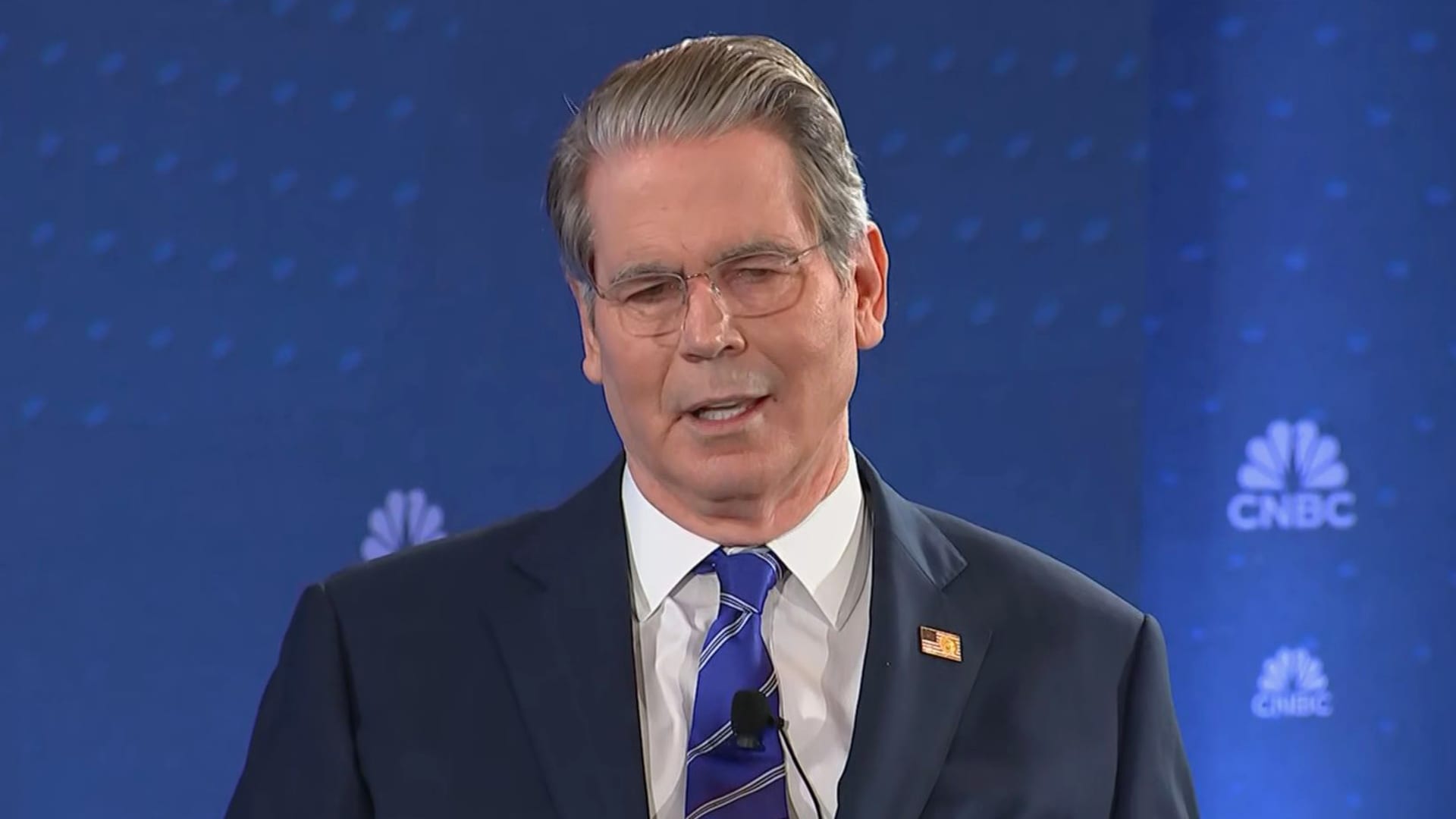
The prospect of a new Trump administration introducing price floors across key industries, as articulated by Treasury Secretary Scott Bessent, signals a potentially transformative shift in industrial policy. While initially highlighted in the context of rare earths to counter foreign market manipulation, this bold strategy carries profound implications for the energy sector, particularly US oil and gas. Investors must now consider how such a protective mechanism, designed to ensure domestic supply chain resilience and combat predatory pricing, could fundamentally alter the risk-reward profile for American energy producers and reshape global market dynamics. This analysis delves into the potential ramifications for US oil prices, production incentives, and the delicate balance with international energy diplomacy.
Geopolitical Resilience and the Push for Domestic Energy Security
The core rationale behind price floors, as outlined by Secretary Bessent, is to safeguard critical industries against non-market economies that leverage global dominance to undercut foreign competitors. This strategic imperative, demonstrated by the Department of Defense’s deal with MP Materials for rare earths, extends naturally to the energy sector, a cornerstone of national security and economic stability. For decades, the US has grappled with the inherent volatility of global oil markets, often subject to geopolitical tensions and the production decisions of major cartels. A policy framework that guarantees a minimum price for domestically produced oil could significantly bolster energy independence, insulating US producers from severe downturns and encouraging sustained capital investment in exploration and production. This move would address a long-standing strategic vulnerability, prioritizing a secure, predictable domestic supply over the efficiencies of an unfettered, but often turbulent, global market.
Market Stabilisation and Investor Confidence in a Volatile Environment
The current market landscape underscores the very volatility that a price floor policy aims to mitigate. As of today, Brent Crude trades at $90.38, marking a sharp 9.07% decline in a single day, with its day range spanning from $86.08 to $98.97. Similarly, WTI Crude stands at $82.59, down 9.41%, having traded between $78.97 and $90.34. This immediate downturn follows a significant trend; Brent has shed $22.4, or nearly 20%, from its $112.78 high just two weeks ago on March 30th. Such dramatic swings are a persistent challenge for oil and gas investors. A domestic price floor, if implemented for US crude, could provide a crucial psychological and financial buffer for US-based exploration and production (E&P) companies. It would establish a baseline of profitability, reducing the existential threat posed by price crashes and fostering a more stable environment for long-term project development. For investors, this translates into potentially more predictable cash flows, lower default risk for energy debt, and a clearer investment horizon, ultimately attracting more capital to the domestic energy sector.
Navigating Global Dynamics and Upcoming Catalysts
The introduction of US price floors for oil would undoubtedly send ripples through international energy markets and demand a strategic response from global players. Investors are keenly asking about the “price of oil per barrel by end of 2026” and “OPEC+ current production quotas” – questions that become far more complex under a bifurcated market scenario. The upcoming OPEC+ Joint Ministerial Monitoring Committee (JMMC) Meeting on April 19th, followed by the full Ministerial Meeting on April 20th, will be critical junctures. If the US signals a move towards price floors, OPEC+ may view this as a challenge to their market management strategy. They could react by adjusting their own production quotas to either counter or complement the US policy, depending on their objectives. A guaranteed floor for US oil could reduce the urgency for US producers to respond to global price signals, potentially creating a two-tiered market where US domestic prices are shielded while international prices remain subject to global supply-demand dynamics and OPEC+ decisions. The weekly API and EIA inventory reports on April 21st/22nd and April 28th/29th would also take on new significance, as domestic inventory builds or draws might be less influenced by immediate global price fluctuations and more by the stability offered by the price floor.
Investor Outlook: A New Paradigm for US Energy Investments
For investors, the prospect of US oil price floors presents a fundamental re-evaluation of risk and opportunity in the energy sector. While global oil price forecasts for the end of 2026 remain a complex interplay of geopolitical events, demand trends, and OPEC+ actions, a domestic price floor would introduce a critical new variable for US-centric investments. This policy could significantly de-risk US upstream projects, encouraging higher capital expenditure and potentially leading to a more robust, independent domestic supply chain. Companies heavily invested in US shale plays, for example, could see improved financial stability and more consistent returns, making them more attractive even if global prices remain volatile or trend lower. The policy could also impact the strategic petroleum reserve, potentially allowing for more aggressive drawdowns during crises with the assurance that domestic production remains incentivized. Investors should begin to analyze which US producers are best positioned to benefit from such a policy, looking for companies with significant domestic acreage and a strong operational footprint within the United States. While questions about specific company performance, like Repsol’s outlook, are important, the overarching shift towards industrial policy could redefine the entire US energy investment thesis, prioritizing national security and supply chain resilience over pure market-driven economics.