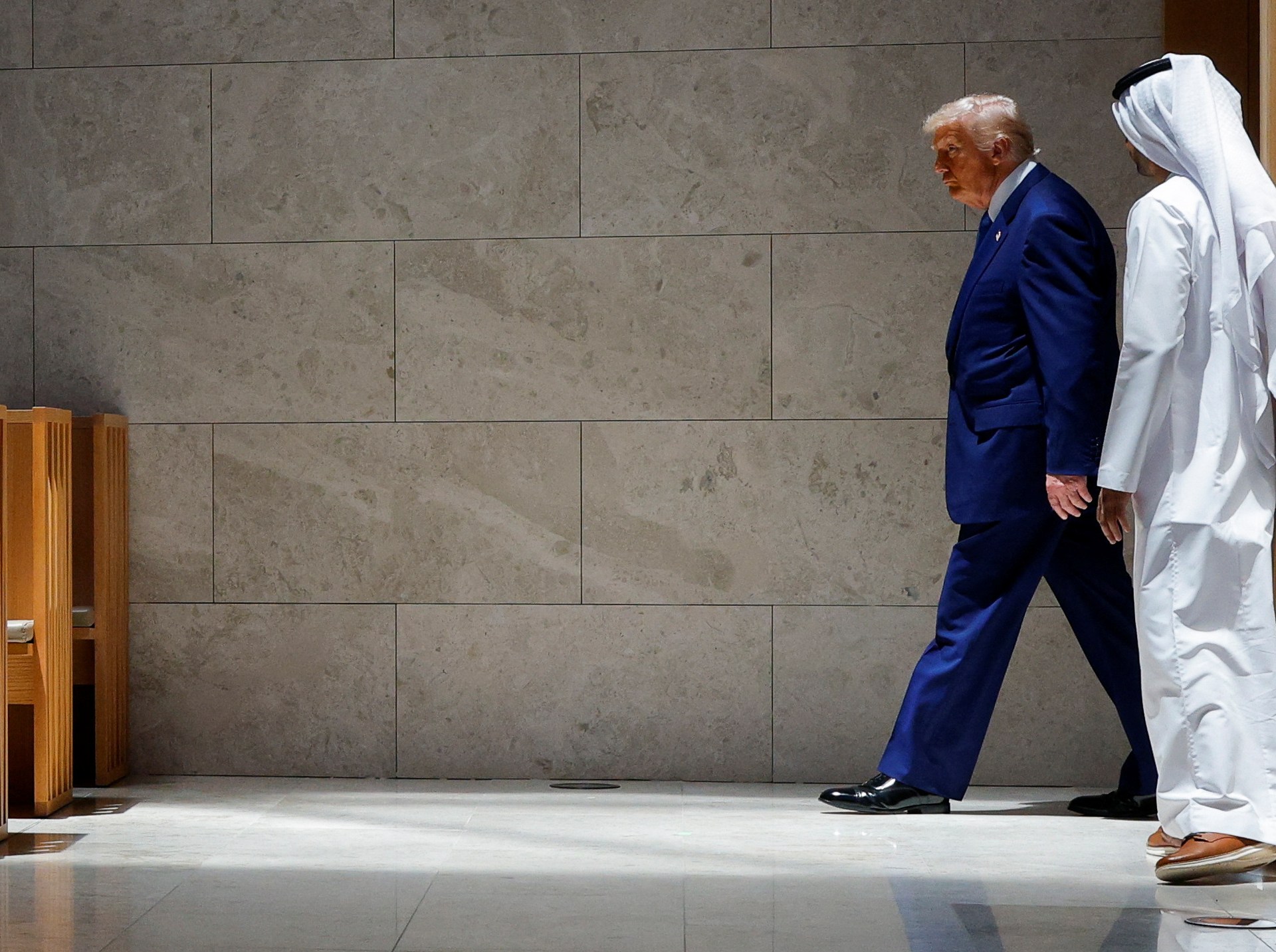
The recent diplomatic tour by United States President Donald Trump across key Middle Eastern nations has sent ripples through geopolitical circles and, critically for investors, promises to reshape the energy market landscape. Over three intensive days, President Trump visited Saudi Arabia, Qatar, and the United Arab Emirates, marking the first major overseas engagement of his second presidential term following the somber occasion of Pope Francis’s funeral. This extensive journey, lauded by US officials as “historic,” saw the securing of hundreds of billions of dollars in new investments and signaled a significant recalibration of American foreign policy in a region vital to global energy supplies.
A New Doctrine: De-emphasizing Interventionism
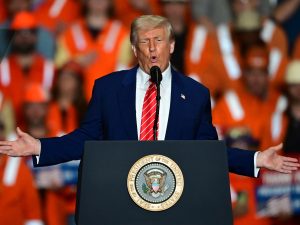
A central theme emerging from President Trump’s addresses, particularly at an investment summit in Riyadh, was a clear articulation of a realist foreign policy. This approach signals a definitive shift away from the interventionist strategies that characterized previous administrations. Trump explicitly critiqued the neoconservative ideologies that underpinned US military engagements in Iraq and Afghanistan, advocating for a policy where the United States refrains from dictating the internal affairs or governance structures of sovereign nations.
In his remarks, President Trump lauded the rapid development witnessed in Gulf capitals like Riyadh and Abu Dhabi, attributing their prosperity not to external “nation-building” efforts or Western intervention, but to the initiatives and vision of local leadership. He underscored his “America First” philosophy, which prioritizes domestic concerns and economic strength over foreign entanglements. For energy investors, this pivot could imply a reduced likelihood of direct US military intervention impacting Middle Eastern oil production or transit routes, potentially lowering certain geopolitical risk premiums. However, it also suggests a greater reliance on regional powers to manage stability, which could introduce new dynamics of risk and opportunity within the volatile energy corridor.
The President’s stern rebuke of past interventionist policies, stating that “the so-called nation-builders wrecked far more nations than they built,” resonates with a broader desire for self-determination in the region. This policy shift encourages regional actors to take greater ownership of their security and economic development, which could lead to increased intra-regional cooperation or, conversely, heightened competition. Investors must keenly observe how this redefined US role influences the delicate balance of power among major oil and gas producers and consumers in the Middle East.
Shifting Sands: Israel’s Position and Regional Dialogue
One of the most striking deviations from traditional US presidential itineraries was the omission of Israel from President Trump’s recent Middle East tour. This departure from a long-standing diplomatic practice appears to underscore a perceived cooling of relations between the current US administration and the Israeli government under Prime Minister Benjamin Netanyahu. This specific decision, coupled with several other strategic moves, suggests a recalibration of US priorities and alliances in the region.
Recent US engagements, including ongoing discussions with Iran, the announcement of a ceasefire with the Houthi movement in Yemen, and unilateral negotiations for the release of US citizen and Israeli soldier Edan Alexander from Hamas captivity, collectively paint a picture of Washington pursuing its interests independently, even when it diverges from previous allies’ immediate concerns. Notably, during his Gulf tour, President Trump did not publicly champion the formal normalization of diplomatic ties between Saudi Arabia and Israel—a significant objective during his first term. For energy markets, this reframing of regional alliances carries substantial implications. A less confrontational stance with Iran, for instance, could potentially de-escalate tensions in the Strait of Hormuz, a critical chokepoint for global oil shipments, thereby reducing the “war premium” on crude prices. Conversely, a perceived weakening of traditional alliances might create new power vacuums or encourage other regional actors to assert influence, leading to unpredictable outcomes for supply stability.
Investment Influx and Energy Futures
The “hundreds of billions of dollars” in investments secured during President Trump’s trip represent a powerful vote of confidence in the economic vitality and strategic importance of the Gulf states. While the specific allocation of these funds across various sectors remains broad, a significant portion invariably filters into the region’s dominant energy infrastructure, including upstream exploration and production, midstream logistics, and downstream refining and petrochemical operations. Such substantial capital inflows underscore the Gulf’s enduring role as a cornerstone of global energy supply and demand dynamics.
These investments are likely to bolster capacity expansions, technological upgrades, and potentially diversification efforts within the energy sector, reinforcing the Gulf’s position as a reliable, long-term energy provider. For investors, this signals continued opportunities in regional energy projects, even as the global energy transition gains momentum. It suggests that while nations may pursue renewable energy goals, the strategic importance and economic leverage of hydrocarbon resources from the Middle East will remain paramount for decades to come, supported by robust capital commitments.
Oil Market Outlook: Navigating Uncertainty
The cumulative effect of President Trump’s Mideast visit presents a complex, multifaceted outlook for global oil markets. The de-emphasis on interventionism, coupled with direct engagement with historically adversarial nations, could lead to a reduction in the geopolitical risk premium that often inflates crude prices. A less interventionist US foreign policy might translate into fewer direct military confrontations in the region, potentially fostering an environment of greater, albeit localized, stability, which could ease concerns about supply disruptions from critical chokepoints like the Strait of Hormuz or the Bab al-Mandab.
However, the shift in US alliances and priorities also introduces new layers of uncertainty. Should the US step back from its traditional role as regional hegemon, other powers might fill the void, potentially leading to new geopolitical fault lines or intensified rivalries that could, conversely, introduce fresh risks to oil supply. The dialogue with Iran and the Houthi ceasefire, while potentially de-escalatory in the short term, could also empower these actors, leading to long-term shifts in regional power dynamics that demand careful monitoring from an investor perspective.
The substantial investments pledged to Gulf nations highlight their continued strategic importance and commitment to the energy sector. This capital injection could support sustained production levels and even facilitate expansions, ensuring a robust supply base for global markets. However, the overarching investor sentiment will hinge on how these geopolitical shifts translate into tangible changes in regional stability, supply reliability, and demand growth. Oil market participants must remain agile, prepared to navigate a landscape where traditional alliances are being re-evaluated, and a new geopolitical equilibrium is actively taking shape, directly influencing the trajectory of global energy prices and investment opportunities.