Geopolitical Seismic Shift: Trump’s Mideast Tour Reshapes Energy Investment Landscape
President Donald Trump’s ongoing diplomatic excursion through the Middle East has catalyzed a significant reorientation of regional alliances and economic pathways, holding profound implications for global oil markets and energy sector investment. From an historic visit to Qatar to an unprecedented direct engagement with Syria’s new leadership, the trip signals a recalibration of U.S. foreign policy that astute investors in the petroleum space must closely monitor.
The tour, which commenced in Saudi Arabia and is set to conclude in the United Arab Emirates, has been marked by a clear emphasis on strengthening economic ties and fostering regional stability. However, the most striking development for energy stakeholders occurred midway through the four-day itinerary: a landmark meeting with Syrian President Ahmed al-Sharaa, a first for any sitting U.S. president.
Syria’s Re-emergence: A New Frontier for Oil and Gas Investment?
Prior to departing for Qatar, President Trump engaged in one of the most keenly anticipated diplomatic encounters of his tenure: a face-to-face discussion with Syrian President al-Sharaa. This meeting marked the first time in nearly a quarter-century that the top leaders of the United States and Syria convened directly. The extraordinary nature of this dialogue is underscored by recent history; until December, the U.S. maintained a $10 million reward for al-Sharaa’s capture. Furthermore, Hayat Tahrir al-Sham (HTS), the armed group led by al-Sharaa during Syria’s protracted civil war, remains designated as a “foreign terrorist organization” by the U.S. due to its historical connections with al-Qaeda.
However, the geopolitical landscape in Syria shifted dramatically in December when an HTS-led coalition successfully toppled the government of President Bashar al-Assad, bringing an end to the nation’s 13-year civil conflict. Al-Assad, long accused of severe human rights abuses, subsequently sought refuge in Russia. This regime change has prompted a fundamental reassessment by the U.S. of its relationship with Syria’s new government and its leadership.
In a pivotal move preceding Wednesday’s meeting with al-Sharaa, President Trump announced the lifting of sanctions previously imposed on Syria during the al-Assad era. This development has been enthusiastically welcomed by al-Sharaa’s administration, which lauded it as a significant “economic boon” and a crucial step towards national stability. For oil and gas investors, the removal of these sanctions opens up a previously inaccessible market, potentially signaling new avenues for capital deployment.
The high-level meeting on Wednesday included President Trump, President al-Sharaa, and Saudi Crown Prince Mohammed Bin Salman, with Turkiye’s President Recep Erdogan joining the discussions remotely via phone. A White House readout indicated that President Trump conveyed to al-Sharaa that he possesses a “tremendous opportunity to do something historic” for his nation. Trump urged Syria to expel “foreign terrorists” and “Palestinian terrorists” from its territory and to advance the normalization of relations with Israel.
Crucially for the energy sector, the readout also revealed al-Sharaa’s affirmation of shared U.S. interests in “countering terrorism and eliminating chemical weapons.” More pointedly, President al-Sharaa directly encouraged the United States to commit investment into Syria’s nascent petroleum sector. This direct appeal for U.S. capital in energy infrastructure underscores the immense, albeit complex, potential that Syria’s reintegration into the global economy could represent for oil and gas firms.
Broader Regional Diplomacy and Energy Security
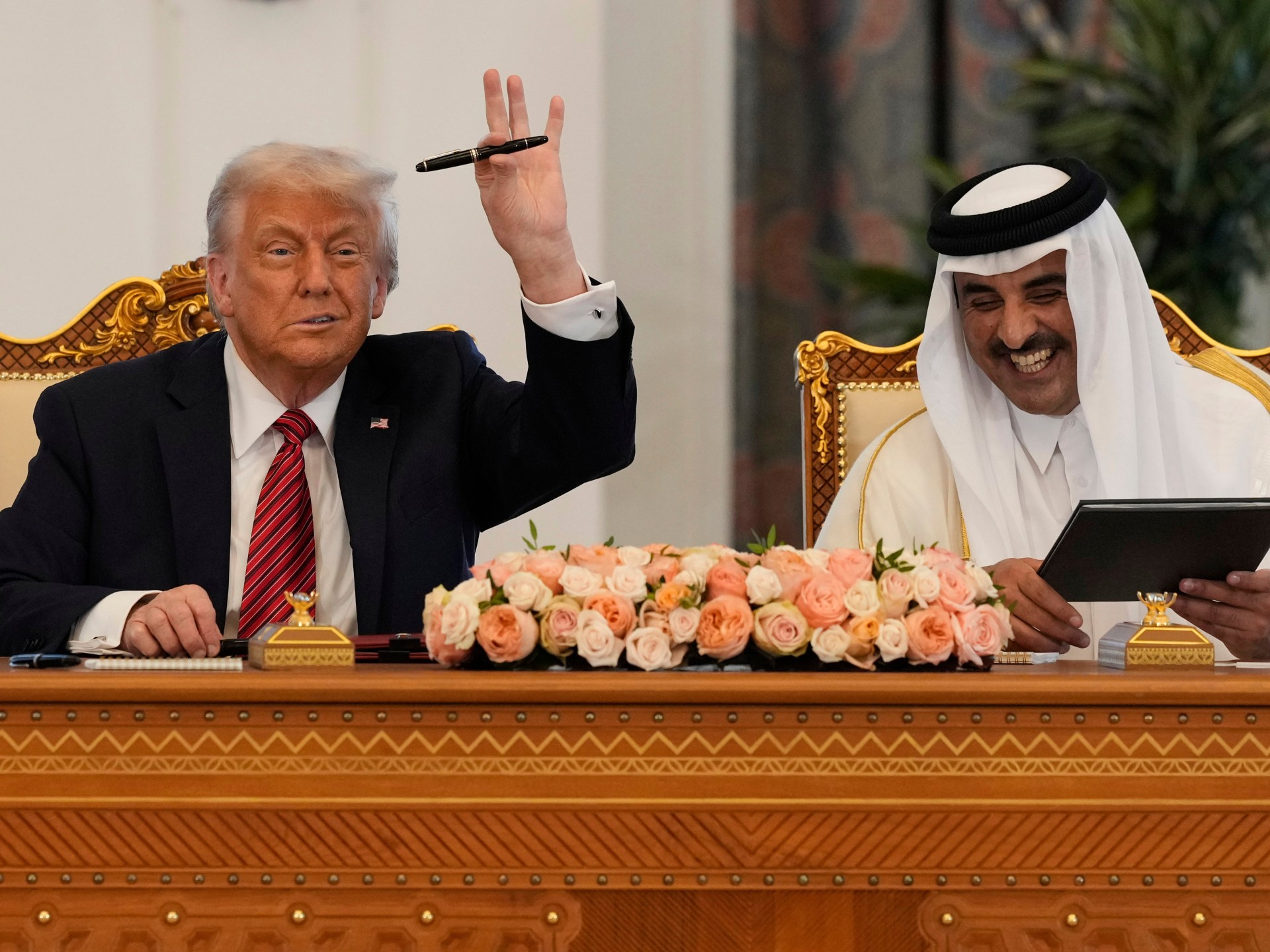
Beyond the Syrian breakthrough, President Trump’s visit to Qatar marked the first official state visit by a U.S. president to the Gulf nation. This signifies a deepening of bilateral ties and reinforces the broader U.S. strategy of fostering strong relationships with key energy-producing states in the region. Such diplomatic engagements are vital for maintaining crude oil supply stability and ensuring predictable market dynamics, factors that directly influence investment decisions in the upstream and downstream segments.
The overarching theme of the Middle East tour has been one of warming relations and expanding business opportunities across Saudi Arabia, Qatar, and the UAE. These Gulf states are central pillars of global energy supply, and any strengthening of diplomatic and economic partnerships with the U.S. generally translates into enhanced confidence for foreign direct investment in their respective energy sectors. This stability is a key determinant for long-term project planning and capital allocation for international oil companies.
Investment Outlook and Potential Headwinds
For investors focused on the oil and gas markets, these diplomatic shifts present a multifaceted landscape. The lifting of sanctions on Syria and the explicit invitation for U.S. investment in its petroleum sector could unlock significant, albeit high-risk, opportunities. Syria possesses hydrocarbon reserves that, with adequate investment and stability, could contribute to regional supply, potentially influencing crude oil prices and global energy flows. Companies specializing in exploration, production, and energy infrastructure development will be closely evaluating these emerging prospects.
However, the path forward is not without its complexities. Back in the U.S., the Democratic Party has voiced concerns regarding the potential influence of the Republican leader’s personal interests on his closed-door diplomatic discussions. While these domestic political considerations do not directly impact the fundamental economics of oil and gas projects, they introduce an element of geopolitical risk that investors must factor into their assessments. Any future shifts in U.S. policy or congressional scrutiny could impact the longevity and stability of newly forged agreements or investment frameworks.
In conclusion, President Trump’s Middle East tour has engineered a series of diplomatic breakthroughs with profound implications for the global energy complex. The re-engagement with Syria, coupled with the explicit call for U.S. investment in its petroleum sector, signals a potential new frontier for oil and gas capital. While the prospect of new markets and enhanced regional stability offers compelling opportunities, investors must remain vigilant to the inherent geopolitical risks and domestic political dynamics that could shape the long-term viability of these evolving relationships. Prudent analysis of these intricate factors will be paramount for navigating the shifting sands of Middle East energy investment.