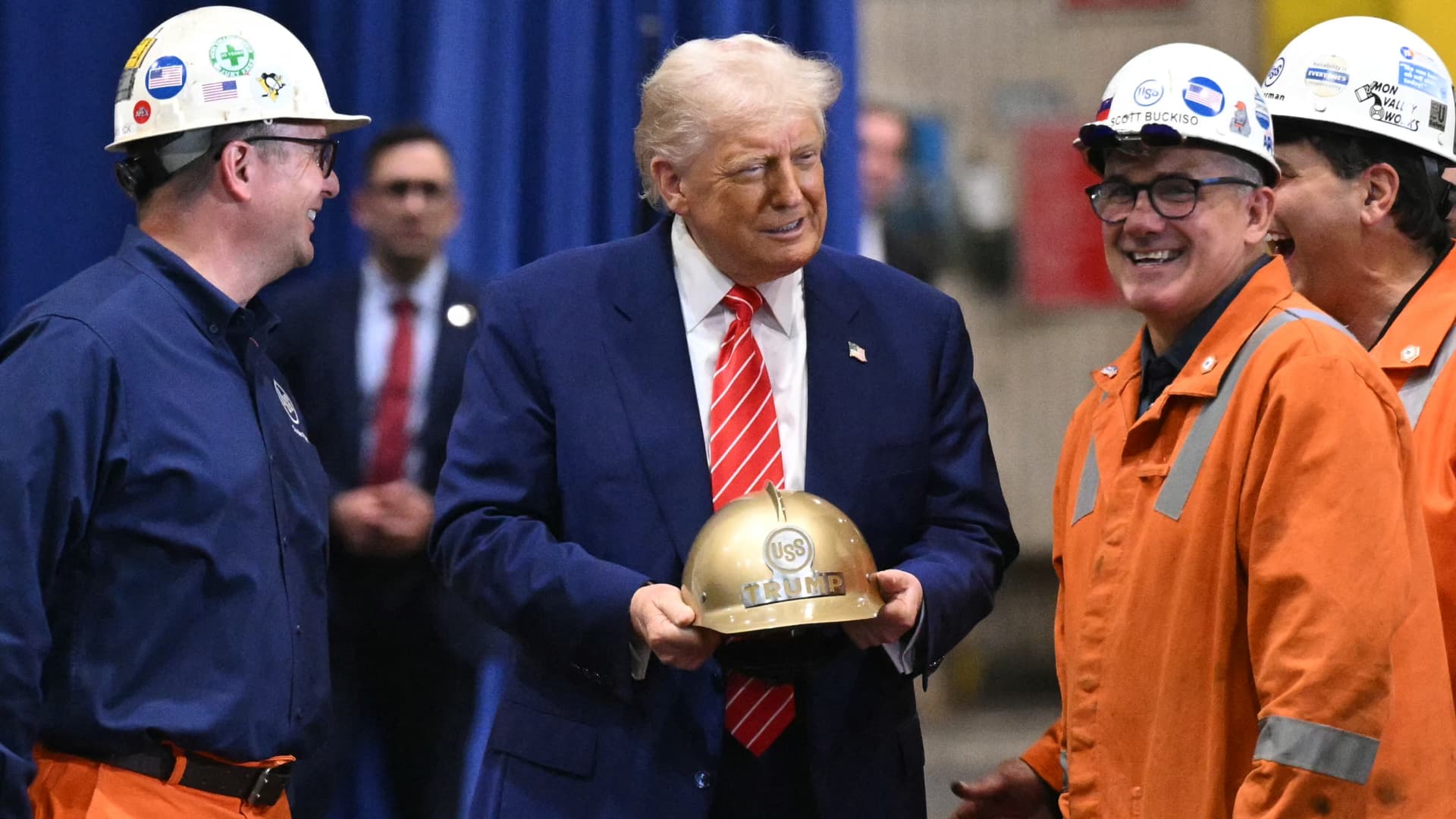
President Trump’s executive order on May 30, 2025, approving the U.S. Steel merger with Japan’s Nippon Steel, marks a pivotal moment for critical infrastructure and, by extension, the oil and gas sector. This strategic move, following a national security agreement, carries profound implications for material costs, supply chain stability, and investment strategies in energy projects. While officially termed a “partnership” by the administration, the deal’s structure as a wholly owned subsidiary of Nippon North America underpins a complex blend of protectionist policy, foreign investment, and domestic manufacturing commitments. For oil and gas investors, understanding the nuances of this approval, especially the embedded tariffs and investment pledges, is crucial for navigating future capital expenditure and project viability.
Geopolitical Crossroads: Steel and Energy Security
The approved U.S. Steel-Nippon Steel transaction is more than a simple corporate merger; it’s a carefully orchestrated geopolitical maneuver with direct implications for U.S. industrial capacity. The national security agreement grants the U.S. government a “golden share,” ostensibly providing oversight on governance, domestic production, and trade. Nippon Steel has committed to an $11 billion investment by 2028, including a significant greenfield project to be completed post-2028. This long-term investment, coupled with assurances from the president that U.S. Steel’s blast furnaces will operate at full capacity for at least 10 years, aims to stabilize domestic steel supply. For the oil and gas sector, this could translate into a more predictable, albeit potentially more expensive, source of essential materials for pipelines, refineries, and other vital infrastructure. The administration’s rhetoric of “U.S. control” over this strategic asset, despite the subsidiary structure, highlights the emphasis on maintaining perceived domestic industrial sovereignty, a factor that will undoubtedly influence future energy policy and material sourcing decisions.
Tariff Tensions and Material Cost Headwinds for O&G
The immediate and perhaps most tangible impact of this deal for the oil and gas sector comes from the accompanying policy shift: the doubling of U.S. tariffs on steel imports to 50%, effective June 4, 2025. This aggressive tariff hike will directly inflate the cost of steel, a foundational material for virtually every aspect of oil and gas infrastructure. Building new pipelines, expanding refining capacity, constructing LNG terminals, or even routine maintenance on existing facilities will now face significantly higher material expenses. As of today, April 18, 2026, the energy sector is already grappling with considerable price volatility. Brent crude trades at $90.38 per barrel, marking a sharp 9.07% decline today, while WTI is at $82.59, down 9.41%. This volatility is not isolated; our proprietary data shows Brent has plunged by 18.5% in just the last 14 days, from $112.78 on March 30 to $91.87 yesterday. Against this backdrop of significant price erosion, increased steel tariffs add another layer of cost pressure, potentially squeezing margins and delaying or even derailing projects that were already marginal. Investors must factor these elevated CapEx costs into their valuation models and project feasibility assessments for any new or ongoing O&G infrastructure developments.
Upcoming Market Catalysts: Navigating Price Volatility and Investment Decisions
Oil and gas investors are naturally focused on the drivers of future crude prices and market stability, evident from recurring questions about 2026 oil price predictions and OPEC+ production quotas. The ramifications of the U.S. Steel-Nippon Steel merger and the new tariffs will play out against a dynamic market influenced by several critical near-term events. The immediate future holds several key events that will shape this outlook. Investors are keenly watching the OPEC+ Joint Ministerial Monitoring Committee (JMMC) meeting on April 18, 2026, followed by the full Ministerial meeting on April 19. Any shifts in production quotas from these gatherings could profoundly impact global supply and price stability, directly influencing the economic viability of new O&G projects that require this newly tariff-impacted steel. Furthermore, the weekly API and EIA inventory reports on April 21/22 and April 28/29, along with the Baker Hughes Rig Count on April 24 and May 1, will provide crucial insights into short-term supply-demand dynamics and drilling activity. These indicators will offer a clearer picture of domestic activity and potential demand for steel in the upstream sector, allowing investors to better gauge project timelines and cost sensitivities in light of the new trade policies.
Investment Implications: Balancing Cost, Supply, and Strategic Imperatives
For investors in the oil and gas sector, the Trump administration’s approval of the U.S. Steel-Nippon Steel deal, coupled with the new 50% steel import tariffs, creates a complex investment landscape. On one hand, the $11 billion investment by Nippon Steel and the commitment to maintain U.S. blast furnace operations for a decade offer the promise of stable domestic steel supply and manufacturing jobs, without layoffs or outsourcing. This could mitigate supply chain risks inherent in relying solely on global markets. On the other hand, the aggressive tariffs introduce a significant cost escalator for all steel-intensive oil and gas projects. Companies will need to meticulously re-evaluate their capital expenditure projections, seeking efficiencies and alternative materials where possible, while potentially absorbing higher costs for critical components. The ongoing trade talks with Japan, which Trump mentioned during his remarks, will also be a critical watchpoint. Any relaxation or intensification of trade tensions could further shift material costs. Strategic investors will need to monitor both the broad macroeconomic trends influencing crude prices and the granular policy shifts impacting industrial inputs, ensuring their portfolios are resilient to both market volatility and evolving protectionist measures. The balance between securing domestic supply and managing elevated costs will define the success of future oil and gas infrastructure investments.