The energy investment landscape is once again shifting its gaze northward, as the current administration intensifies its focus on unlocking Alaska’s vast oil and gas potential. A high-profile visit by three Cabinet members underscores a strategic push to invigorate long-stalled projects, from Arctic oil drilling to a major liquefied natural gas (LNG) export initiative. This renewed commitment, backed by executive orders and navigating complex legal terrain, signals a significant long-term play in U.S. energy policy with substantial implications for global supply and investor portfolios.
The Geopolitical Chessboard and Alaskan Ambitions
This week’s visit by Department of Interior Secretary Doug Burgum, Energy Secretary Chris Wright, and Environmental Protection Agency Administrator Lee Zeldin to Alaska is more than a routine tour; it’s a clear demonstration of the administration’s resolve to boost domestic energy production. Their itinerary, which includes meetings with resource development groups, U.S. Senators Dan Sullivan and Lisa Murkowski, and a stop in Utqiagvik on the petroleum-rich North Slope, highlights the dual objectives: securing new energy supplies and fostering economic growth in key regions. The officials also plan to visit the Prudhoe Bay oil field and speak at Governor Mike Dunleavy’s annual energy conference, signaling a concerted effort to rally industry and political support. Critically, the presence of government and industry representatives from Asian countries, including Japan, during portions of the trip suggests an intent to leverage ongoing tariff discussions into tangible investments for the proposed Alaska LNG project, transforming energy policy into a geopolitical tool.
ANWR: A Resurgent Battleground for Arctic Oil
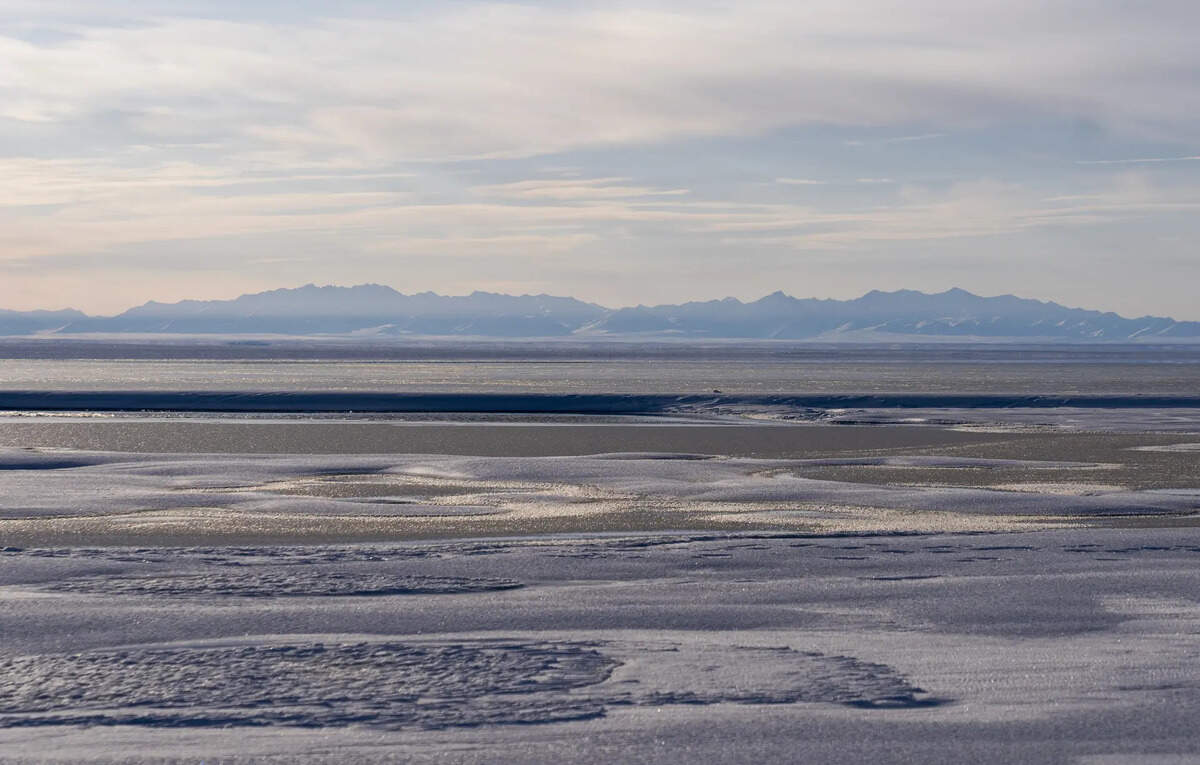
At the forefront of the administration’s domestic energy strategy is the push to open the Arctic National Wildlife Refuge’s (ANWR) coastal plain to oil and gas leasing. This initiative stems from provisions within a 2017 tax law, championed by Alaska’s congressional delegation, which mandated two lease sales by late 2024. While the initial lease sale faced significant legal hurdles and saw its primary bidder’s leases canceled by the previous administration, a March court ruling deemed that cancellation an overreach. Consequently, the Interior Department is now working to reinstate these leases, aligning with the current administration’s executive order. This legal victory provides a clearer, albeit still contested, pathway for future development. As of today, Brent crude trades at $96.13, marking a 1.41% increase within the day’s range of $91-$96.36. This comes after a notable 14-day trend where Brent experienced an almost 9% decline, moving from $102.22 on March 25th to $93.22 just yesterday. Such price volatility, even with today’s rebound, underscores the perpetual investor search for stable, long-term supply, making potential new ANWR production, though years away, a significant factor in future global supply calculations, despite persistent opposition from environmental groups who advocate for climate solutions over fossil fuel expansion.
Alaska LNG: A Strategic Play for Asian Markets
Beyond crude oil, the administration is also aggressively pursuing the revitalization of the Alaska liquefied natural gas (LNG) project, which has languished for years. This project is a linchpin in the broader strategy to boost U.S. energy exports and solidify trade relationships. Investors are increasingly focused on global LNG dynamics, with many asking about the drivers of Asian LNG spot prices this week. The Alaska LNG project directly addresses this interest, aiming to establish a reliable supply route to key Asian demand centers, particularly Japan. The administration is actively using tariff talks as leverage to secure crucial investments from these Asian partners. While the project faces its own set of challenges, including high development costs and environmental scrutiny, its strategic importance for diversifying global LNG supply and providing a consistent energy source to growing Asian economies remains a compelling narrative for long-term energy investors. The emphasis during the Cabinet’s visit on securing these investments highlights the administration’s view of the project as a critical component of both energy security and economic diplomacy.
Forward Outlook: Navigating Upcoming Market Signals and Political Headwinds
Looking ahead, the next two weeks bring a flurry of critical market signals that will shape investor sentiment around both existing and prospective energy projects, including those in Alaska. The upcoming OPEC+ Joint Ministerial Monitoring Committee (JMMC) meeting on April 18th, followed by the Full Ministerial meeting on April 20th, will provide crucial clarity on near-term global supply policies. Any adjustments to production quotas by the cartel will directly influence the global crude price environment, impacting the economic viability and perceived urgency of developing new, often higher-cost, frontier resources like those in Alaska. Furthermore, the consistent data streams from the Baker Hughes Rig Count on April 17th and April 24th, alongside the API Weekly Crude Inventory (April 21st, April 28th) and EIA Weekly Petroleum Status Reports (April 22nd, April 29th), will offer granular insights into North American production trends and global stock levels, providing immediate context to the longer-term strategic plays unfolding in Alaska. Many investors are looking for a base-case Brent price forecast for the next quarter and a consensus 2026 Brent forecast; the long-term supply implications of projects in Alaska, while distant, are crucial inputs into these forward-looking models. Despite the political will, these Alaskan initiatives face substantial hurdles, including ongoing environmental opposition and the inherent complexities and long lead times associated with mega-projects. The administration’s current efforts represent a high-stakes gamble with significant implications for the future of U.S. energy independence and its role in global energy markets.


