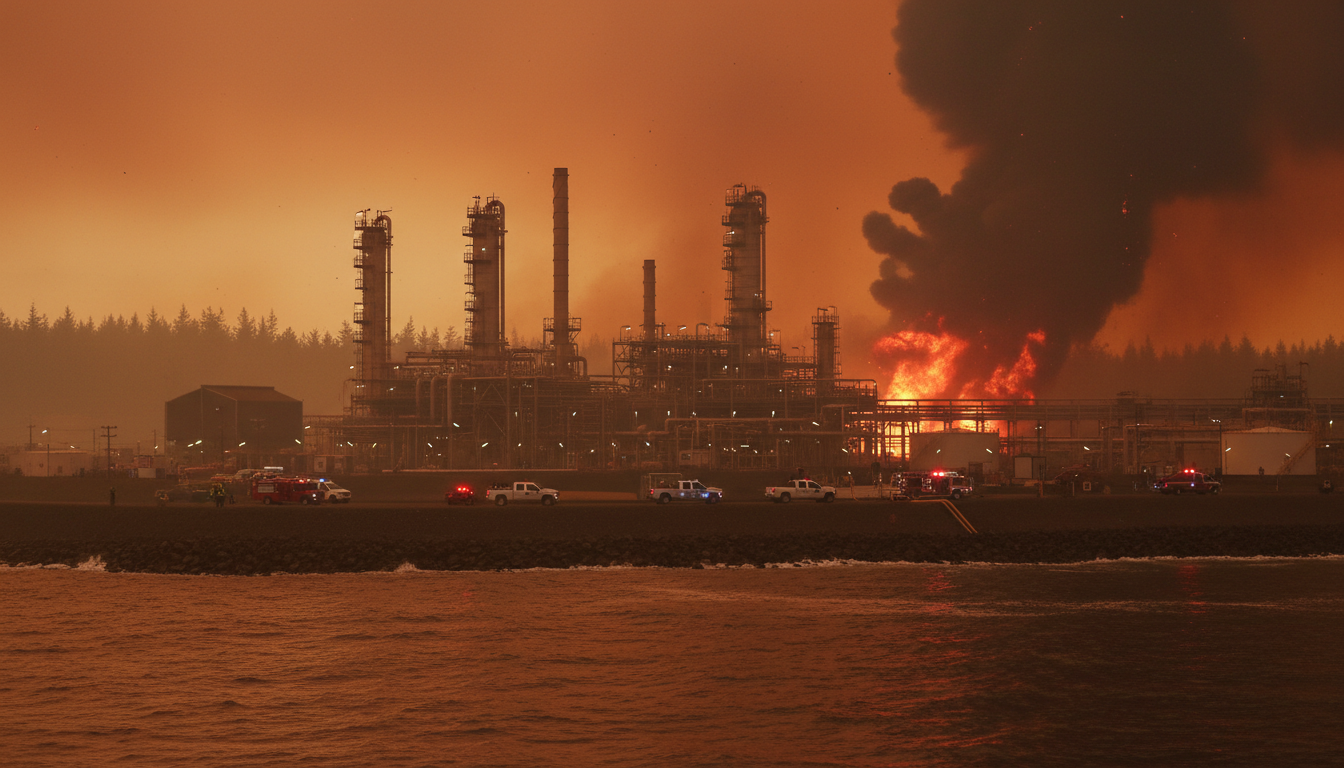
The energy sector has long navigated a complex web of geopolitical tensions, supply-demand dynamics, and environmental regulations. However, a less-traditional, yet increasingly potent, threat is emerging on the horizon: wildfires in the Eastern United States. While historically associated with the arid landscapes of the Western U.S., a significant shift is underway, fundamentally altering risk assessments for oil and gas investors. This emerging paradigm demands immediate attention, as the intensity, frequency, and destructive power of wildland blazes are escalating across regions previously considered low-risk. For investors, understanding this evolving risk profile is critical to assessing asset vulnerability, ensuring supply chain resilience, and making informed capital allocation decisions across the nation’s vital energy infrastructure.
The Expanding Footprint of Wildfire Risk in the East
The traditional understanding that large, destructive wildfires are solely a Western phenomenon is rapidly becoming obsolete. Recent events vividly underscore this escalating threat, exemplified by a devastating wildfire in Georgia that destroyed over 50 homes, highlighting the profound human and economic costs involved. This incident is far from isolated, reflecting a confluence of environmental and demographic factors creating a volatile new fire regime across the East. Climate change contributes to drier, more flammable vegetation, exacerbated by record drought conditions observed across large segments of the country during March and April. Further compounding this issue is the immense volume of dead timber, such as the tens of millions of tons left in the wake of Hurricane Helene in 2024, acting as super-charged fuel. Adding to this combustible mix is the extensive wildland-urban interface (WUI), where dense forests meet burgeoning human populations, creating a high-stakes environment for fire propagation and damage to energy assets.
Current statistics paint a stark picture of this nationwide escalation: official data reveals that 2,802 square miles of the United States have already succumbed to wildfires this year. This figure represents an astonishing 88% surge above the 10-year average for this period. Notably, a substantial portion of this devastation has occurred in Nebraska, an area not typically associated with massive wildfires, signaling a broader geographic expansion of the problem that threatens pipelines, processing facilities, and transmission lines located within or traversing these increasingly vulnerable areas.
Market Dynamics Amidst Emerging Operational Headwinds
The specter of Eastern wildfires introduces a new layer of operational risk that could directly impact market stability, especially within an already tight global energy landscape. As of today, Brent crude trades at $113.69, reflecting a robust 2.94% increase, while WTI crude sits at $109.68, up 2.62% for the day. Gasoline prices have also seen an uptick, currently at $3.64, a 1.39% rise. This upward momentum follows a significant rally over the past two weeks, with Brent having climbed over $16, or 17.3%, from $95.20 on April 10th to $111.65 by April 29th.
While current price action is driven by a multitude of factors, the potential for localized operational disruptions from wildfires adds a critical, non-traditional variable to the supply equation. Disruptions to critical infrastructure—be it natural gas pipelines, crude oil gathering systems, or power transmission lines—could lead to temporary supply curtailments, impacting regional inventories and potentially feeding into broader market anxieties. Investors, therefore, must consider how these emerging environmental risks could exacerbate price volatility or provide unexpected supply shocks, especially in a market that remains sensitive to any perceived threats to supply stability.
Forward-Looking Analysis: Integrating Risk with Upcoming Market Signals
For discerning investors, integrating this evolving wildfire risk into their forward-looking analysis is paramount. While the direct impact of a specific wildfire on global oil prices might be localized, the cumulative effect of increasing incidents across the East could significantly alter regional energy flow and infrastructure resilience. Investors must remain vigilant, particularly with a series of key market indicators on the horizon that could either confirm market stability or signal new vulnerabilities. The Baker Hughes Rig Count, scheduled for May 1st and again on May 8th, will offer initial insights into drilling activity and potential supply growth. However, this must be viewed through the lens of operational constraints that could arise from environmental factors.
Further critical data points include the EIA Short-Term Energy Outlook on May 2nd, which provides crucial forecasts for supply, demand, and prices, and the API Weekly Crude Inventory (May 5th, May 12th) and EIA Weekly Petroleum Status Report (May 6th, May 13th), which will shed light on inventory levels. These reports will be intensely scrutinized for any signs of direct or indirect wildfire impact on supply chains, even if not explicitly stated. Finally, the IEA Oil Market Report on May 12th will offer a global perspective on supply-demand balances, potentially incorporating new regional risk assessments that could reflect this expanding threat. Proactive companies integrating advanced fire mitigation strategies and supply chain redundancy will be better positioned to weather these emerging challenges, offering a potential competitive advantage for investors.
Addressing Investor Concerns: Beyond Traditional Supply Metrics
Our proprietary reader intent data reveals that while investors are keenly focused on traditional metrics like the ‘2026 weekly trend for crude oil’ and building a ‘base-case Brent price forecast for next quarter,’ there’s also a clear underlying interest in supply stability. Questions about ‘Which OPEC+ members are over-producing this month?’ underscore a desire to understand factors influencing supply balances from a geopolitical and compliance perspective. However, the emerging Eastern wildfire risk directly impacts this calculus, adding a new layer of ‘unforeseen’ supply disruption potential that goes beyond these conventional drivers.
Investors are increasingly grappling with the need to integrate “green swan” risks—high-impact, climate-related events—into their models. This means moving beyond purely financial or geopolitical risk factors and scrutinizing the physical resilience of energy assets. Companies with robust infrastructure, proactive vegetation management programs, and established emergency response protocols in wildfire-prone Eastern regions will be viewed more favorably. As energy markets continue to evolve, the ability to anticipate and mitigate these non-traditional operational risks will become a cornerstone of sound investment strategy, impacting long-term valuations and the overall risk premium associated with North American energy assets.


