The Resurgence of Nuclear: A Strategic Shift Impacting the Energy Landscape
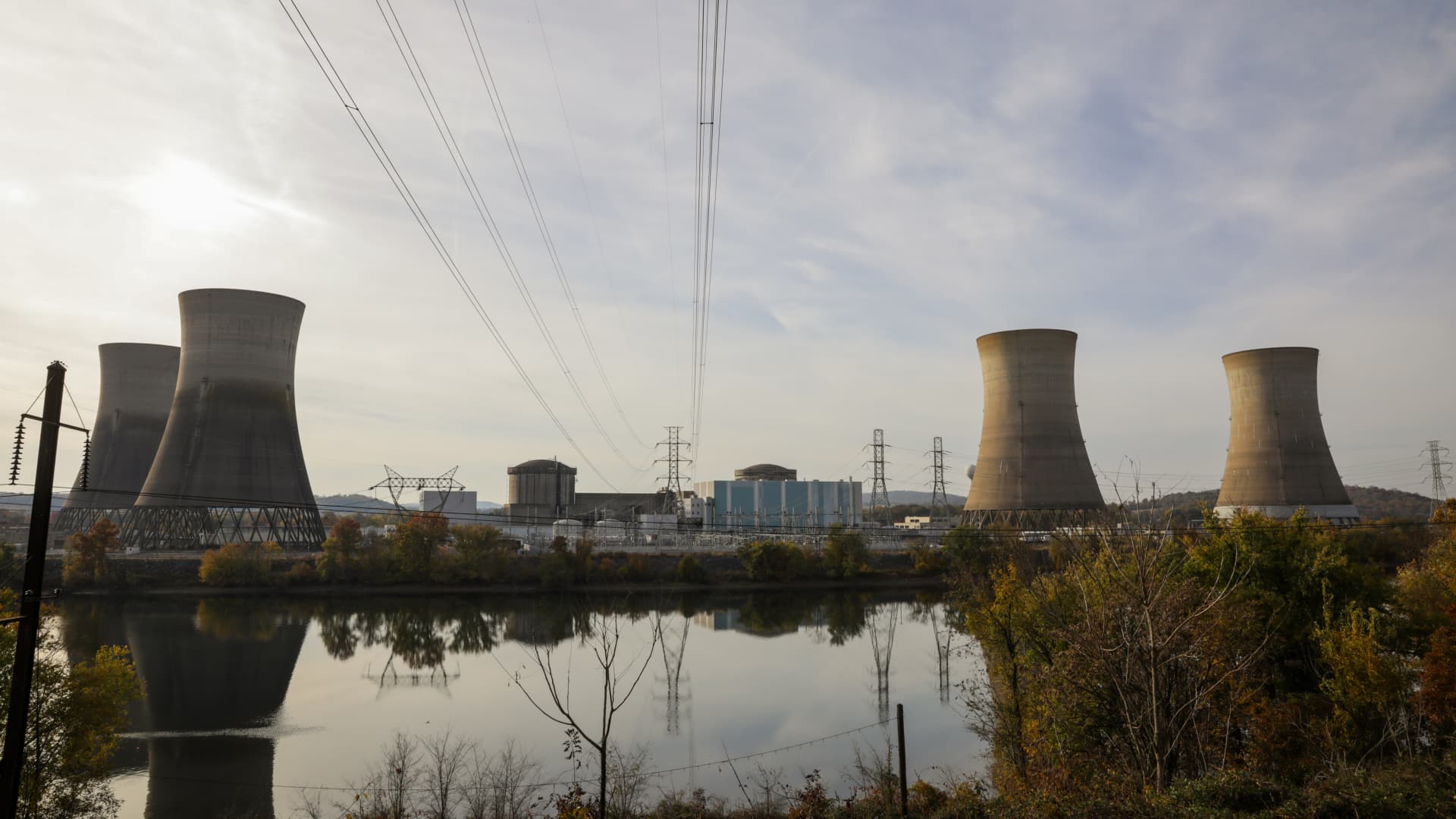
The recent announcement of a $1 billion loan from the U.S. administration to Constellation Energy for the restart of the Crane Clean Energy Center, formerly Three Mile Island Unit 1, marks a significant moment in the evolving U.S. energy strategy. This financial injection, covering a substantial portion of the project’s estimated $1.6 billion cost, underscores a renewed governmental commitment to nuclear power. For oil and gas investors, this development is far from tangential; it signals a structural shift in the power generation sector that could have long-term implications for natural gas demand and the broader energy mix. The plant, slated to resume operations in 2027 with a power purchase agreement already in place with Microsoft to fuel its data center expansion, highlights how growing electricity demand, particularly from the artificial intelligence sector, is reshaping energy policy and investment priorities. This move directly addresses grid stability and rising electricity costs in regions like PJM Interconnection, where consumers have faced significant price increases. As we analyze this strategic pivot, we must consider its ripple effects across the entire energy complex, from crude oil markets to the competitive landscape for natural gas.
Nuclear’s Return: A Direct Challenge to Natural Gas Dominance
The decision to restart the Crane Clean Energy Center is particularly poignant given its history. Three Mile Island Unit 1 ceased operations in 2019, one of several nuclear reactors shuttered in recent years as they struggled to compete against historically cheap natural gas. The administration’s current support, however, flips this narrative, illustrating a policy-driven push to diversify baseload power generation beyond fossil fuels. Energy Secretary Chris Wright’s comments last week, indicating a focus on nuclear for departmental loan programs, and President Trump’s executive orders aiming to expand nuclear capacity, solidify this strategic direction. For natural gas investors, this presents a direct competitive challenge. While natural gas remains a critical component of the U.S. energy grid, the addition of dispatchable, reliable nuclear capacity, particularly in high-demand regions, could temper growth expectations for gas-fired power generation. The underlying motivation is clear: to lower electricity costs for consumers and ensure energy security amidst surging demand from data centers, rather than simply relying on market forces that previously favored gas.
Current Market Volatility and the Long-Term Energy Transition
While the nuclear resurgence represents a long-term strategic play, investors are constantly navigating the immediate volatility of crude markets. As of today, Brent crude trades at $94.7 per barrel, reflecting a 0.82% decline within a day range of $93.87-$95.69. WTI crude similarly saw a dip, currently priced at $86.36 per barrel, down 1.21% and moving within a range of $85.5-$86.78. This daily fluctuation is set against a more dramatic recent trend: Brent has experienced a significant downturn of $23.49, or 19.8%, dropping from $118.35 on March 31st to $94.86 just yesterday. Such market swings underscore the complex global dynamics influencing crude prices, from geopolitical tensions to supply-demand balances. However, these short-term movements exist concurrently with fundamental shifts in domestic energy policy. The administration’s backing of nuclear power, while not directly impacting crude oil’s daily price, signals a broader energy transition away from fossil fuel dependency for electricity generation. Investors must consider how these policy signals, aimed at grid stability and decarbonization, could indirectly influence long-term demand projections for all energy commodities, including the natural gas that competes directly with nuclear power.
Addressing Investor Questions Amidst Evolving Energy Policy
Our proprietary reader intent data reveals a strong focus among investors on immediate market direction and future price predictions, with questions like “is wti going up or down” and “what do you predict the price of oil per barrel will be by end of 2026?” This reflects the pressing need for clarity in a volatile market. The nuclear investment, while not directly answering these crude price queries, provides crucial context for the broader energy investment landscape. For instance, while Repsol’s performance in April 2026 might be tied to global oil and gas markets, understanding the U.S. government’s renewed commitment to nuclear power informs the long-term outlook for natural gas producers who supply power plants. The shift towards nuclear for baseload generation, driven by factors like energy security and rising electricity demand from AI data centers, suggests a future where natural gas might increasingly compete on flexibility and peaking power rather than sole baseload dominance. Investors seeking to predict oil prices by the end of 2026 must factor in not just traditional supply-demand fundamentals, but also the accelerating pace of energy diversification and the potential for policy interventions to reshape demand for various energy sources.
Navigating Upcoming Catalysts and Future Energy Outlooks
The coming weeks present several key events that will offer further insights into the energy market’s trajectory, allowing investors to contextualize the nuclear policy shift. The OPEC+ Joint Ministerial Monitoring Committee (JMMC) Meeting on April 21st will be closely watched for any signals regarding crude oil production policy, which could directly influence global oil prices. Subsequent EIA Weekly Petroleum Status Reports on April 22nd and April 29th will provide vital data on U.S. crude inventories, production, and demand, impacting both oil and natural gas sentiment. The Baker Hughes Rig Count on April 24th and May 1st will offer an indication of future drilling activity and potential supply changes for both oil and natural gas. Perhaps most critically, the EIA Short-Term Energy Outlook (STEO) on May 2nd will publish official forecasts for supply, demand, and prices across various energy commodities. This outlook will be invaluable for understanding how the U.S. government views the interplay between growing electricity demand, the role of natural gas, and the potential impact of new nuclear capacity coming online. Investors should pay close attention to the STEO’s natural gas consumption projections for power generation, as any downward revisions could signal the tangible impact of nuclear’s resurgence. These upcoming data points, combined with the clear policy signal from the administration’s nuclear loan, will be essential for constructing a robust investment thesis in the evolving energy sector.