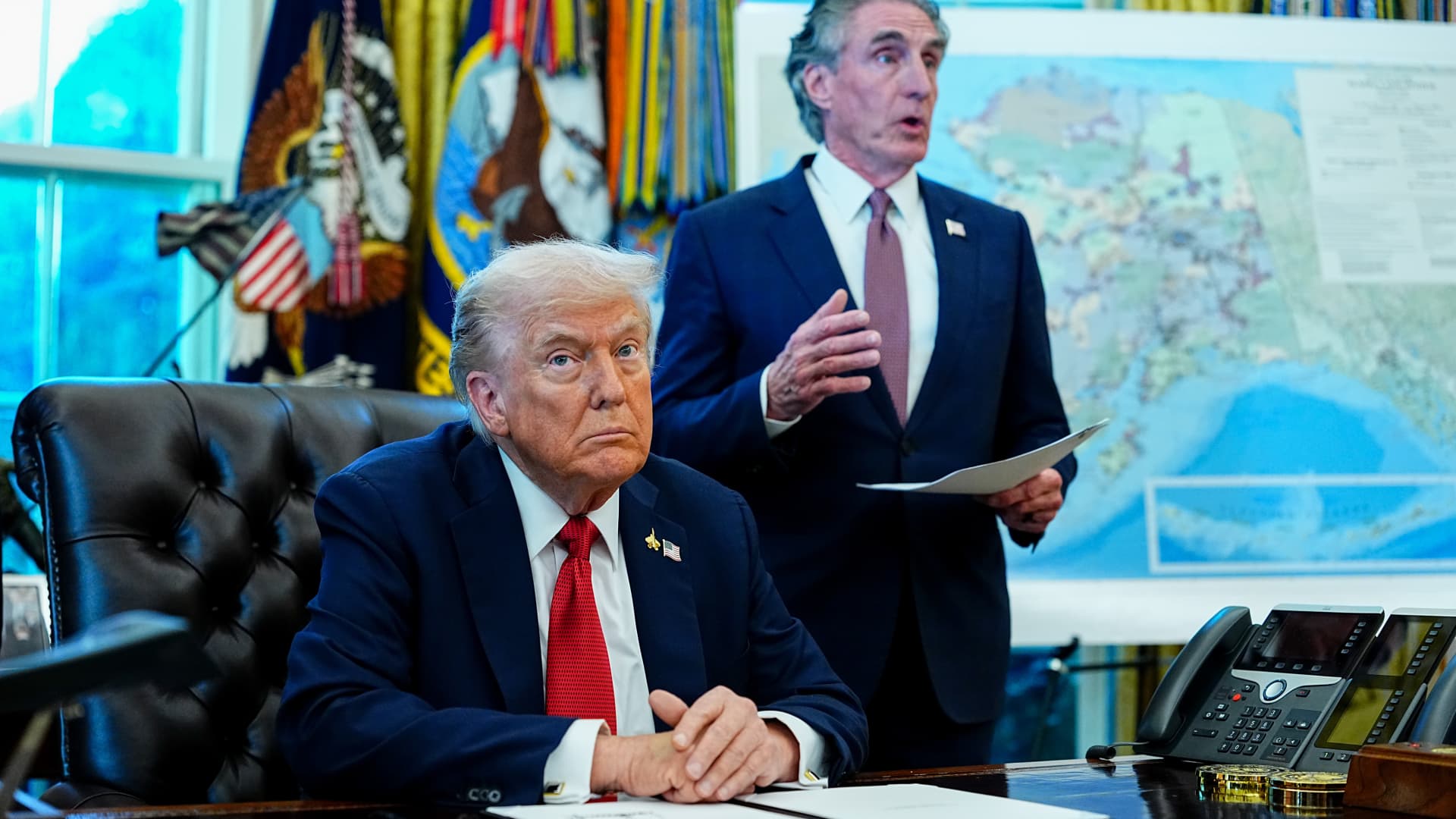
The White House’s recent strategic move to acquire a 10% stake in Trilogy Metals, a Canadian-based minerals explorer, sent shockwaves through the market, with the company’s shares surging by as much as 205% in premarket trade following the announcement on Monday, October 6, 2025. This $35.6 million investment, aimed at unlocking domestic supplies of critical minerals like copper within Alaska’s Ambler mining district, transcends the immediate metals sector. For oil and gas investors, this intervention signals a profound shift in national resource strategy, highlighting a growing governmental emphasis on securing vital supply chains. While the energy sector grapples with its own distinct market dynamics, this development offers crucial insights into how state-level strategic imperatives can de-risk projects and influence investment flows across the broader natural resources landscape, a pertinent consideration given the current volatility in global energy markets.
The Strategic Imperative of Domestic Resource Security
The United States government’s decision to directly invest in Trilogy Metals underscores a clear and assertive policy direction: bolster domestic capabilities for critical resource extraction. This isn’t merely about copper; it’s about national security and economic resilience in an increasingly uncertain world. By taking a 10% equity stake, the White House is effectively signaling a long-term commitment to a project deemed vital for technological advancement and defense. This level of governmental backing fundamentally alters the risk profile for investors in such ventures. In the oil and gas realm, where geopolitical tensions frequently impact supply and demand, the prospect of similar strategic alliances or investments could offer significant stability. Investors should consider how this precedent might inform future policy decisions impacting domestic energy production, from shale plays to renewable infrastructure, potentially unlocking capital for projects aligned with national strategic goals.
Navigating Volatility: A Bearish Turn for Energy Prices
While the Trilogy Metals news from last fall showcased the dramatic upside potential of government endorsement, the current energy market narrative is decidedly more cautious. As of today, April 19, 2026, the crude oil benchmarks reflect significant downward pressure. Brent crude trades at $90.38 per barrel, marking a sharp 9.07% decline within the day, having ranged from $86.08 to $98.97. Similarly, WTI crude is priced at $82.59, down 9.41%, with its daily range between $78.97 and $90.34. This daily drop is not an isolated event; our proprietary data reveals Brent has plummeted from $112.78 on March 30, 2026, to its current level, representing a substantial 19.9% decrease over just two weeks. Gasoline prices have also followed suit, now at $2.93, down 5.18% today. This pronounced bearish sentiment across the hydrocarbon complex stands in stark contrast to the rapid share appreciation seen by Trilogy Metals, underscoring the divergent forces at play in different segments of the resource economy. The market’s focus remains squarely on supply-demand fundamentals and geopolitical stability, which are currently eroding.
Investor Focus: Long-Term Outlook and OPEC+ Influence
The recent market turbulence has naturally intensified investor scrutiny, and our proprietary reader intent data provides a clear window into these concerns. Investors are actively seeking clarity on the broader market trajectory, with a prevalent question being: “What do you predict the price of oil per barrel will be by the end of 2026?” This reflects a deep-seated need for long-term outlooks amidst current volatility. Furthermore, there is considerable interest in the mechanisms of market control, as evidenced by questions like “What are OPEC+ current production quotas?” This highlights the market’s reliance on the upcoming OPEC+ Ministerial Meeting scheduled for today, April 19, 2026. The government’s strategic stake in Trilogy Metals, while distinct, offers a parallel in investor psychology: a desire for stability and a clearer path forward. Just as the US government de-risked a critical mineral project, investors are searching for signals that could provide a more stable outlook for crude prices, whether through OPEC+ policy or other macro factors.
Upcoming Catalysts: Navigating the Next Fortnight
The immediate future for energy markets is packed with potential catalysts that demand close attention from investors. The OPEC+ Full Ministerial Meeting today, April 19, 2026, stands as the most critical event on the calendar. Given the recent steep decline in crude prices, any decision regarding production quotas will have an outsized impact on market sentiment and price direction. A move towards deeper cuts could provide a floor for prices, while maintaining current levels might signal a willingness to endure lower prices, potentially extending the bearish trend. Beyond OPEC+, the market will keenly watch weekly inventory data. The API Weekly Crude Inventory reports on April 21 and April 28, followed by the EIA Weekly Petroleum Status Reports on April 22 and April 29, will offer crucial insights into demand trends and storage levels in the United States. Additionally, the Baker Hughes Rig Count on April 24 and May 1 will provide a pulse check on North American drilling activity. These scheduled events, taken together, will shape the immediate trajectory of oil and gas prices, offering actionable data points for investors navigating the current market volatility and seeking to understand how the broader resource security narrative, exemplified by the Trilogy Metals investment, might eventually intersect with traditional energy markets.