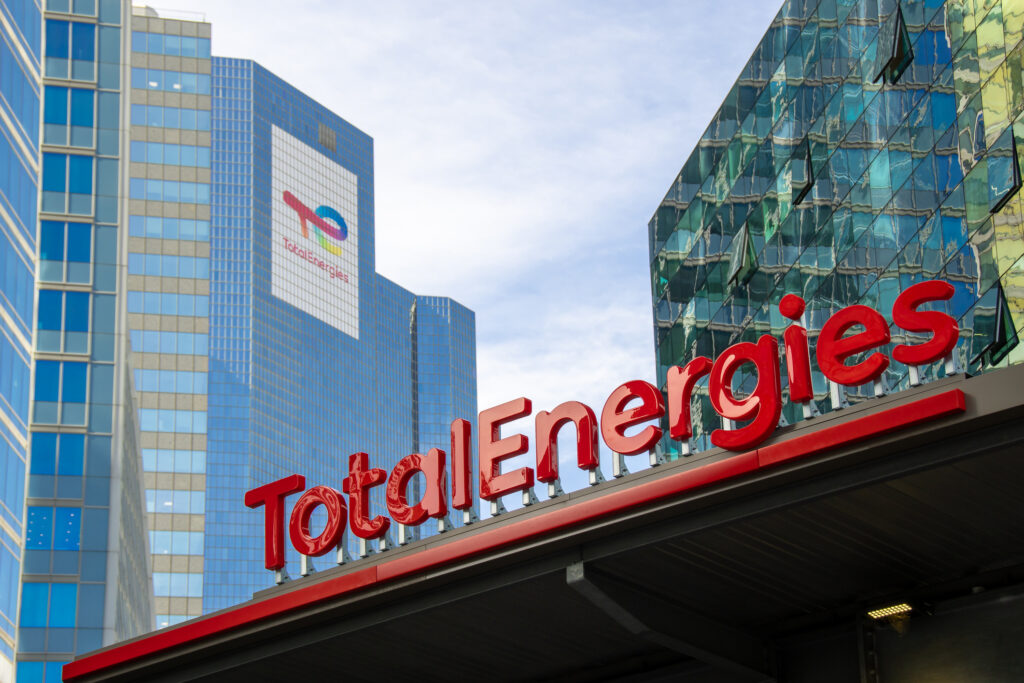
TotalEnergies’ recent €5.1 billion ($5.5 billion) all-stock acquisition of a 50% stake in EPH’s flexible power generation platform marks a pivotal moment in the company’s energy transition strategy. This isn’t merely an expansion; it’s a profound re-alignment, cementing TotalEnergies’ commitment to integrated gas-to-power solutions across Europe. For investors tracking the evolution of major oil and gas players, this transaction signals a clear direction: leveraging established strengths in gas supply to build a robust, dispatchable power generation footprint, creating a more resilient and diversified energy portfolio.
TotalEnergies’ Integrated Power Strategy: A Deeper Dive into Gas-to-Power
This substantial investment underscores TotalEnergies’ conviction in its “Integrated Power” strategy. The newly formed 50/50 joint venture boasts an impressive 14 GW of flexible generation capacity, encompassing critical gas-fired plants, sustainable biomass facilities, and rapidly deployable battery systems. An additional 5 GW is already in advanced development, signaling aggressive growth. This scale positions the venture to achieve 15 TWh/year of net electricity production, projected to increase to 20 TWh by 2030, making it one of Europe’s largest flexible generation operators.
The strategic rationale is clear: Europe’s accelerating renewable energy build-out creates a growing need for dispatchable power to balance the inherent intermittency of solar and wind. By integrating its position as a leading gas supplier in Europe with a significant flexible power generation platform, TotalEnergies aims to create substantial added value. This approach allows the company to capitalize on the entire gas value chain, from LNG procurement to power generation, reducing its direct exposure to the often-volatile oil cycles that typically dominate investor discourse around energy majors.
Navigating Volatility: The Imperative for Dispatchable Power Amidst Shifting Oil Markets
The timing of this significant investment is particularly noteworthy when examining the broader energy market landscape. As of today, Brent crude trades at $90.61, down a significant 8.83% within a single trading session, reflecting a day range between $86.08 and $98.97. This sharp downturn comes after a broader trend saw Brent decline from $112.57 less than three weeks ago to $98.57 just yesterday, indicating substantial market volatility and potential shifts in global supply-demand dynamics for crude. Similarly, WTI crude has seen a steep decline of 9.31% to $82.68, and even gasoline prices are down 5.18% to $2.93.
This intense fluctuation in crude oil prices naturally sparks investor questions, such as “what do you predict the price of oil per barrel will be by end of 2026?” While predicting precise oil prices remains challenging, TotalEnergies’ pivot towards gas-to-power offers a strategic hedge. By strengthening its position in Europe’s electricity markets – particularly profitable ones like Italy, the UK, and France – the company aims to generate more predictable and stable cash flows, less directly tied to the daily gyrations of crude oil. This diversification provides a layer of resilience, appealing to investors seeking stability amidst an inherently volatile commodity market.
Financial Accretion and Strategic Capital Allocation
From a financial perspective, the EPH acquisition is designed to deliver immediate value. TotalEnergies anticipates the deal will be accretive to free cash flow per share, contributing approximately $750 million annually over the next five years. This direct financial benefit underpins the strategic logic, demonstrating that the move is not just about long-term vision but also near-term shareholder returns.
The all-stock nature of the transaction, involving the issuance of 95.4 million shares to EPH, means EPH Chairman Daniel Křetínský’s company becomes one of TotalEnergies’ largest shareholders. This aligns interests and suggests a long-term commitment from both parties. Furthermore, TotalEnergies has adjusted its net Capex guidance for 2026–2030 to $14–16 billion per year, with a dedicated allocation of $2–3 billion annually specifically for power investments. This revised capital expenditure framework clearly signals a strategic shift in resource allocation, prioritizing the growth of its integrated power segment while maintaining disciplined spending overall. Such clarity in capital deployment is crucial for investors evaluating the company’s long-term growth trajectory and commitment to its energy transition goals.
Upcoming Market Catalysts and TotalEnergies’ Evolving Position
The broader energy market remains dynamic, with several critical events on the horizon that could influence TotalEnergies’ operating environment. This week, the OPEC+ Joint Ministerial Monitoring Committee (JMMC) meets, followed by the Full Ministerial Meeting. These gatherings are keenly watched by investors asking “what are OPEC+ current production quotas?” as any adjustments to supply can significantly impact crude prices and, by extension, the economics of gas-to-power generation.
In the coming weeks, we also anticipate key data releases such as the API Weekly Crude Inventory (April 21, 28) and the EIA Weekly Petroleum Status Report (April 22, 29), alongside the Baker Hughes Rig Count (April 24, May 1). These reports offer vital insights into U.S. supply and demand, which ripple across global energy markets. While these events directly impact the crude oil side of the business, TotalEnergies’ increased focus on European flexible power positions it to be less vulnerable to the immediate swings caused by such crude-centric market catalysts. Instead, its gas-to-power strategy leverages a more regionalized and often more stable European gas market, allowing it to capitalize on the increasing demand for grid stability regardless of OPEC+ decisions or U.S. drilling activity.
Investor Outlook: Diversification and Long-Term Value Creation
The TotalEnergies-EPH partnership, though subject to regulatory approvals and employee consultations with completion expected by mid-2026, represents a decisive step towards building a more diversified and resilient energy major. For investors, this move mitigates some of the risks associated with an exclusive reliance on upstream oil and gas, offering exposure to the growing and increasingly stable European electricity markets. The focus on flexible generation, combined with immediate cash flow accretion and a clear capital allocation strategy, paints a picture of a company actively shaping its future in a rapidly evolving energy landscape. This strategic pivot towards integrated gas-to-power is not just about environmental responsibility; it’s a pragmatic business decision designed to unlock long-term value and enhance shareholder returns in a transitioning energy world.