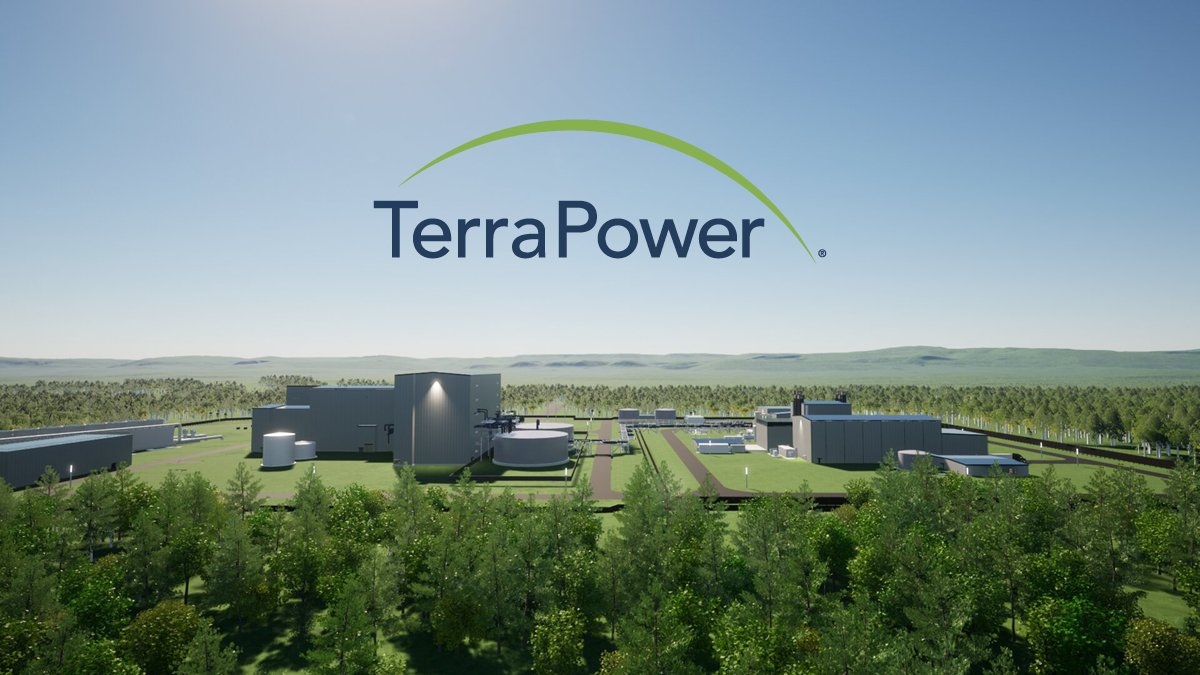
The energy landscape continues its dynamic evolution, and a recent funding announcement from TerraPower has sent a ripple through the broader investment community, including those focused on traditional oil and gas. TerraPower, a Bill Gates-backed advanced nuclear technology company, successfully closed a substantial $650 million funding round, notably including investment from NVentures, NVIDIA’s venture capital arm, alongside HD Hyundai. This significant capital injection is earmarked to accelerate the deployment of TerraPower’s Natrium® advanced nuclear reactor technology across the U.S. and globally. For oil and gas investors, this isn’t merely a clean energy story; it’s a critical signal about the accelerating pace of energy diversification, the emergence of new demand drivers for carbon-free power, and the long-term strategic shifts that could influence future hydrocarbon demand and investment returns. Understanding these trends is paramount for navigating the complex energy markets ahead.
The AI-Nuclear Nexus: A Strategic Imperative for Future Power
The entry of NVIDIA, a titan in artificial intelligence and computing, into TerraPower’s investor base is perhaps the most salient point for energy market observers. This isn’t a philanthropic gesture; it’s a strategic move reflecting a growing industry consensus: the insatiable energy demands of AI infrastructure require reliable, scalable, and carbon-free power solutions. TerraPower’s Natrium reactor, a next-generation nuclear design paired with gigawatt-scale energy storage, directly addresses this need. AI data centers are projected to consume enormous amounts of electricity, and securing a stable, environmentally compliant power supply becomes a competitive advantage for tech giants. This type of direct investment from a major technology player into power generation signals a significant shift, indicating that leading tech firms are willing to directly fund and integrate advanced energy solutions rather than solely relying on existing grid infrastructure, which often includes a substantial portion of natural gas-fired generation. For oil and gas investors, this development underscores a long-term trend where new, high-growth sectors are actively seeking alternatives to fossil fuels for their foundational energy needs, potentially dampening future growth in electricity demand from traditional sources.
Market Volatility and the Undercurrent of Energy Transition
While long-term energy transition trends gain momentum, the immediate crude oil market remains highly sensitive to geopolitical factors and supply-demand dynamics. As of today, Brent crude trades at $90.38 per barrel, reflecting a notable 9.07% daily decline. Similarly, WTI crude is priced at $82.59, down 9.41% within the same period. This recent downturn follows a significant retreat over the past two weeks, with Brent having fallen by $20.91, or 18.5%, from $112.78 on March 30th to $91.87 just yesterday. Gasoline prices have also seen a corresponding drop, currently at $2.93 per gallon, down 5.18% today. This pronounced volatility highlights the ongoing tension between short-term market reactions and the persistent, structural shifts unfolding in the global energy mix. The $650 million capital raise for TerraPower, occurring amidst such crude price fluctuations, serves as a stark reminder that investment in advanced, carbon-free energy solutions continues unabated, driven by strategic imperatives that transcend daily price movements. Oil and gas investors must recognize this dual reality: managing immediate market risks while positioning portfolios for a future increasingly shaped by technologies like advanced nuclear.
Navigating Near-Term Catalysts Amidst Long-Term Shifts
For active oil and gas investors, the coming weeks present a series of critical short-term catalysts that will undoubtedly influence market sentiment and price action, even as the long-term energy transition narrative, exemplified by TerraPower’s funding, continues to evolve. Investors are keenly watching the upcoming OPEC+ Joint Ministerial Monitoring Committee (JMMC) meeting scheduled for April 18th, followed by the full Ministerial meeting on April 19th. These gatherings are pivotal for understanding potential shifts in production quotas, which directly impact global crude supply. Any surprise announcements or reaffirmations will move markets. Beyond OPEC+, the market will closely scrutinize the API Weekly Crude Inventory reports on April 21st and 28th, along with the EIA Weekly Petroleum Status Reports on April 22nd and 29th. These data points provide vital insights into U.S. crude, gasoline, and distillate stock levels, reflecting real-time demand and refinery activity. Furthermore, the Baker Hughes Rig Count on April 24th and May 1st will offer an indication of North American upstream activity. While the strategic deployment of advanced nuclear power will impact the energy mix over years and decades, these immediate data releases and policy decisions dictate the trading environment for crude and refined products in the near term. Successful investment strategies require a nuanced approach that integrates both the tactical responses to these calendar events and a strategic understanding of the overarching energy transition.
Investor Sentiment: Addressing the Future of Hydrocarbon Demand
Our proprietary reader intent data reveals a consistent theme among investors: a strong focus on the future trajectory of oil prices and the stability of the hydrocarbon market. Questions like, “What do you predict the price of oil per barrel will be by end of 2026?” underscore the desire to understand the long-term implications of current trends. The significant investment in TerraPower’s advanced nuclear technology directly feeds into this forward-looking analysis. While it’s challenging to provide precise price predictions, the accelerating deployment of solutions like the Natrium reactor, targeting critical sectors like AI infrastructure, suggests a structural impact on long-term energy demand. As advanced nuclear facilities come online, starting with TerraPower’s planned first commercial advanced nuclear power facility in the U.S. and subsequent international expansion, they will progressively displace fossil fuel-based electricity generation. This shift, driven by major tech companies seeking reliable and carbon-free power, implies a potential tempering of growth in global electricity demand met by natural gas, a key component of the oil and gas complex. Therefore, while OPEC+’s current production quotas remain a dominant factor for near-term supply management, the increasing viability and strategic funding of advanced nuclear options necessitate a re-evaluation of long-term demand growth projections for hydrocarbons. Investors should consider how these evolving energy dynamics might influence their portfolio allocations and risk assessments for traditional oil and gas assets in the coming years.


