Tariff Headwinds Threaten Auto Demand, Cast Shadow on O&G Prospects
The global automotive sector finds itself navigating turbulent waters, as several industry titans, including Stellantis, Mercedes-Benz, General Motors, and Volvo, have collectively pulled their annual financial forecasts. This widespread retreat from forward guidance signals profound uncertainty stemming from evolving tariff policies, sending ripples of concern across the global economic landscape and prompting a reevaluation of potential impacts on energy markets and crude oil prices. For oil and gas investors, this development warrants close attention, as a slowdown in vehicle production and sales directly translates to reduced demand for refined products.
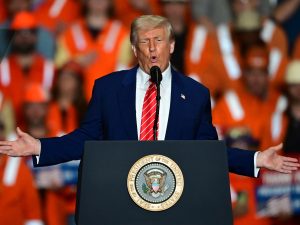
This wave of caution emerges despite recent executive actions by US President Donald Trump, which aimed to temper the immediate severity of new auto tariffs enacted earlier this month. However, the broader, long-term implications remain opaque, compelling industry leadership to recalibrate their operational and financial outlooks in an environment of unprecedented policy shifts.
Automotive Giants Recalibrate Amidst Policy Flux
Stellantis, the formidable conglomerate boasting brands like Jeep, RAM Trucks, Dodge, Fiat, and Maserati, explicitly declared its decision to suspend its 2025 financial guidance. The company cited “evolving tariff policies” as a primary driver, alongside the inherent difficulty in accurately forecasting market volumes and the competitive environment. John Elkann, Stellantis’s board chairman, underscored the company’s commitment to collaboration with the US administration, emphasizing the need to navigate this intricate tariff terrain effectively.
This strategic pivot follows earlier proactive measures by Stellantis, which saw the temporary layoff of 900 workers for two weeks in April, directly attributed to the then-anticipated tariff uncertainties. Antonio Filosa, Stellantis’s chief operating officer for the Americas, indicated that the company intends to assess both the medium and long-term ramifications of these tariffs, while simultaneously implementing immediate operational adjustments to mitigate impact. Financially, Stellantis reported a challenging start to the year, with a 14 percent decline in its first-quarter sales, totaling $40.7 billion (35.8 billion euros), a clear indicator of market softness even before the full force of new tariffs took hold.
European Automakers Confront Profit Erosion
European automotive heavyweights Mercedes-Benz and Volkswagen also experienced substantial drops in their net profits during the January-March period, preceding the full implementation of the US tariffs. Mercedes-Benz, a benchmark in luxury vehicles, recorded a nearly 43 percent plunge in its first-quarter net profit, settling at $1.9 billion (1.73 billion euros). The Stuttgart-based automaker directly attributed this significant volatility to tariff policies, which severely hampered its ability to reliably forecast business development.
Despite these formidable challenges, Mercedes-Benz Finance Chief Harald Wilhelm expressed confidence in the company’s robust market position within the highly profitable, top-end vehicle segment. He highlighted that this strategic focus, combined with a healthy balance sheet, provides a strong foundation for navigating the current geopolitical uncertainties. Volkswagen, Europe’s largest carmaker by volume, similarly disclosed substantial reductions in its net profits for the same period, signaling a broader industry-wide vulnerability to protectionist trade measures.
North American and Global Players Follow Suit
The ripple effect of tariff uncertainty extends beyond European borders. General Motors (GM), a cornerstone of the North American automotive landscape, also announced the withdrawal of its full-year 2024 guidance. GM CEO Mary Barra explicitly cited the “evolving tariff landscape” as the primary reason for this decision. Previously, GM had projected robust performance for 2024, anticipating $12-14 billion in free cash flow and $9-10 billion in net income. The abrupt retraction of these targets underscores the profound impact of trade policy on even the most established players.
Adding to the chorus of concern, Swedish truck and bus manufacturer Volvo Group also withdrew its 2024 guidance, citing a “lack of visibility” directly attributable to the escalating tariff situation. This move came despite Volvo reporting a solid first-quarter 2024 operating profit of $950 million (10 billion Swedish krona). The decision by these diverse automotive giants to halt forward-looking statements paints a clear picture: the industry is bracing for an unpredictable period, where the ability to plan and execute long-term strategies is severely compromised.
Implications for Oil and Gas Investors
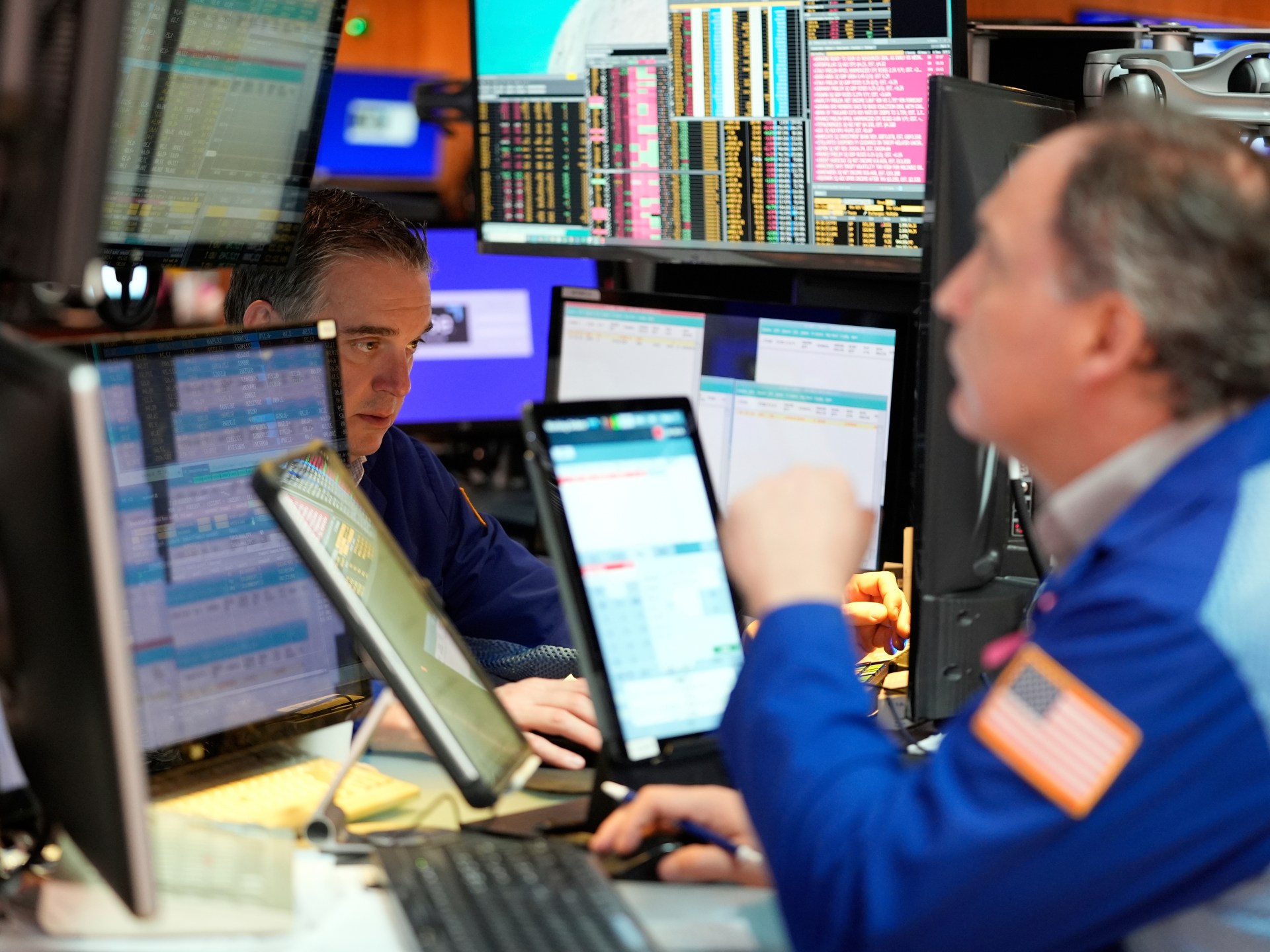
For investors focused on the oil and gas sector, these developments in the automotive industry are far from trivial. A significant slowdown in vehicle production and sales directly correlates with a reduction in demand for gasoline, diesel, and other refined petroleum products. As major automakers retract guidance and report profit declines, it signals a potential contraction in global vehicle miles traveled and new car purchases, both critical drivers of oil consumption.
The potential for sustained weakness in the auto sector could exert downward pressure on global crude demand forecasts, influencing benchmark prices like Brent and WTI. Refining margins could also come under stress as demand for gasoline and diesel softens. Furthermore, the broader economic uncertainty fostered by these tariff disputes could dampen overall economic growth, leading to reduced industrial activity and lower energy consumption across multiple sectors. Oil and gas companies, particularly those heavily exposed to downstream refining and retail fuel sales, must closely monitor these evolving trade dynamics and their potential to reshape demand profiles.
Broader Economic Fallout and Investor Outlook
The implications of this tariff-induced uncertainty extend beyond the immediate automotive sector and its direct energy consumption. Supply chain disruptions, increased production costs, and reduced consumer confidence can cascade through economies, potentially triggering a wider economic deceleration. Such a scenario would undoubtedly weigh on overall energy demand, impacting exploration and production companies, midstream operators, and integrated majors alike.
As major economies grapple with protectionist policies, the interconnectedness of global trade becomes starkly apparent. Oil and gas investors must factor in this elevated geopolitical and economic risk. While the immediate impact on crude prices might be buffered by supply-side dynamics or other market factors, the sustained erosion of automotive demand due to tariffs presents a significant long-term headwind. Monitoring international trade negotiations, vehicle sales data, and the financial health of leading automakers will be crucial for discerning the future trajectory of global oil demand and making informed investment decisions in the energy landscape.