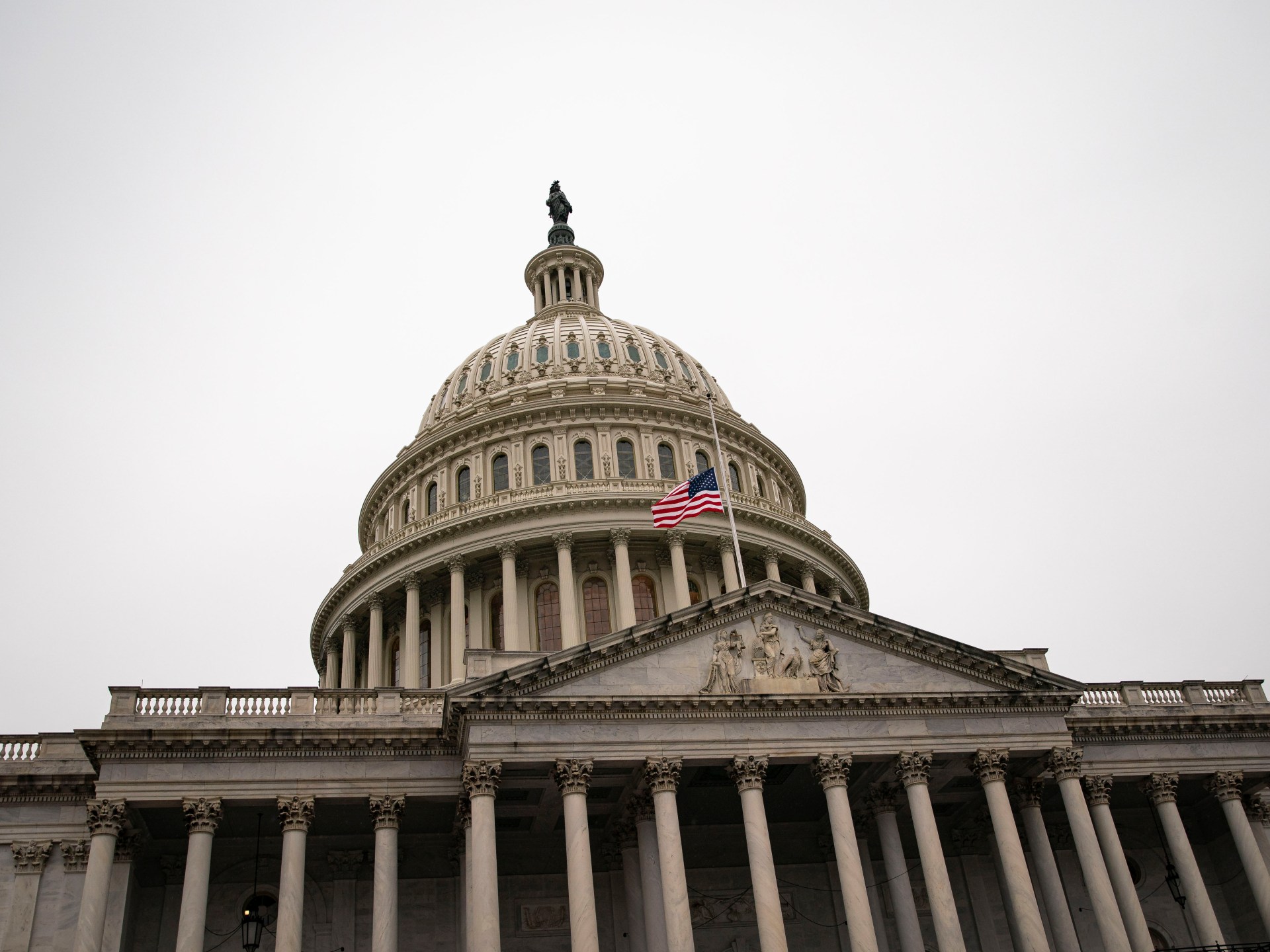
The geopolitical landscape continues to exert significant pressure on the profitability of the oil and gas sector, with recent legislative developments underscoring persistent trade policy risks. A pivotal vote in the United States Senate, which narrowly failed to curtail the administration’s tariff authority with a 49-49 tie, sends an unequivocal signal to energy investors: navigate the complexities of international trade at your peril. This outcome, while not a legislative block, crystallizes the ongoing vulnerability of oil and gas companies to unpredictable trade measures.
The Senate’s contentious vote highlighted a deepening chasm even within the ruling party. Notably, three Republican senators – Rand Paul of Kentucky, Susan Collins of Maine, and Lisa Murkowski of Alaska – broke ranks to align with all present Democrats and Independents, advocating for congressional oversight on trade. This rare display of bipartisan dissent underscores profound concerns among lawmakers regarding the potential economic fallout from an escalating global trade conflict. While the resolution faced an uphill battle, its strong backing reinforced the urgent call for legislative checks on executive power in trade matters, especially given the current delicate state of the economy.
Mounting Economic Headwinds Challenge Energy Sector Stability
This critical tariff debate unfolded against a backdrop of increasingly unsettling economic indicators. Fresh government data, released just hours before the Senate vote, confirmed that the U.S. economy contracted by 0.3 percent during the first three months of the year. This marks the first instance of economic shrinkage in three years, raising serious questions about the underlying resilience of the nation’s economic engine. While this contraction preceded the implementation of the administration’s most aggressive tariffs, including a formidable 145 percent duty on China, it establishes a precarious foundation for future growth. Astute investors are well aware that a recession is conventionally defined by two consecutive quarters of negative growth, making upcoming economic reports exceptionally critical for market outlook.
President Trump has consistently downplayed fears that his sweeping tariff policies could propel the U.S. into an economic downturn. However, for the inherently capital-intensive oil and gas industry, these trade measures carry tangible and immediate financial implications. Energy companies, spanning the entire value chain from upstream exploration and production to downstream refining and distribution, rely heavily on intricate global supply chains. These chains provide everything from essential steel pipelines and sophisticated drilling equipment to specialized chemicals and advanced machinery. Tariffs imposed on these vital inputs directly translate into higher operational expenditures and increased capital costs, inevitably squeezing profit margins and potentially leading to the delay or outright cancellation of crucial projects.
Tariff Impact: A Multi-Faceted Challenge for Oil & Gas Investments
The direct and indirect consequences of sustained tariff policies present a complex, multi-faceted challenge for oil and gas investing. Firstly, the escalating costs for raw materials and specialized equipment are poised to significantly erode profitability across the entire sector. Companies engaged in large-scale infrastructure developments, such as new crude oil pipelines or expansive liquefied natural gas (LNG) export terminals, face ballooning construction expenses. These increased costs directly diminish the return on investment for shareholders and complicate future capital allocation decisions.
Secondly, the disruption to global supply chains extends beyond mere price hikes. It introduces logistical complexities and uncertainty, potentially delaying project timelines and exacerbating cost overruns. For an industry where timely execution is paramount for maximizing returns on massive investments, any impediment to the smooth flow of materials and equipment can have significant financial repercussions. This increased operational risk becomes a critical factor for investors assessing the viability and profitability of new ventures.
Furthermore, tariffs can create a competitive disadvantage for U.S.-based energy producers and service providers. If domestic input costs become disproportionately high compared to international competitors, it could impact the competitiveness of U.S. energy exports or make domestic production less attractive. This scenario could lead to shifts in global energy trade patterns, potentially favoring regions with lower input costs, thereby reducing market share or pricing power for U.S. companies. Investors must consider how these dynamics could influence long-term growth prospects and enterprise valuations.
The broader economic slowdown, exacerbated by trade tensions, also impacts energy demand. A contracting economy typically translates to reduced industrial activity, lower transportation needs, and diminished consumer spending, all of which weigh on the demand for crude oil, natural gas, and refined products. This demand destruction compounds the cost-side pressures introduced by tariffs, creating a challenging environment for revenue growth and cash flow generation across the energy sector.
Navigating Uncertainty: An Investor’s Outlook
For investors deeply entrenched in the oil and gas market, the current environment demands heightened vigilance and strategic foresight. Monitoring upcoming economic reports, particularly the next quarter’s GDP figures, will be crucial in assessing the likelihood of a broader recession. Furthermore, closely analyzing company earnings calls and financial disclosures for specific impacts of tariffs on operational costs, capital expenditures, and project timelines is essential. Companies with diversified supply chains or those with a stronger focus on domestic sourcing may prove more resilient.
The ongoing trade policy uncertainty underscores the importance of a robust risk management framework. Investors should evaluate their portfolios for potential exposure to companies heavily reliant on imported materials or those with significant capital projects underway that could be vulnerable to rising input costs. Diversification across different segments of the energy value chain and geographical regions could offer some insulation against these localized or sector-specific headwinds. While the oil and gas sector remains a cornerstone of the global economy, its immediate future is inextricably linked to the evolving dynamics of international trade and macroeconomic stability. Prudent investment decisions will hinge on a clear understanding of these intertwined challenges.