Tariffs Trigger Economic Headwinds, Threaten Global Oil Demand Outlook
The intricate web of global supply chains, a cornerstone of modern economic efficiency, is facing significant disruption from escalating trade tariffs. While the stated aim of such policies is to foster domestic manufacturing and high-quality job creation, the immediate reality for numerous U.S. businesses is a sharp increase in operational costs and profound uncertainty. This economic friction, if prolonged, carries substantial implications for investor confidence and, critically, for global energy demand.
A recent case highlights the tangible impact on U.S. enterprises. Wild Rye, an outdoor apparel brand established in 2016, exemplifies the entrepreneurial spirit, navigating the challenging path to profitability by 2021. However, the firm now confronts a severe existential threat directly linked to current trade policies. The company, which imports its product lines twice annually, is anticipating a significant financial hit. For its upcoming fall collection, ordered from Chinese suppliers in December and expected to arrive in July, Wild Rye faces an astonishing $1.2 million tariff burden on a $700,000 purchase order.
This disproportionate cost surge places immense pressure on cash flow, as tariffs are due upon goods entering the country, long before products can be sold to generate revenue. The founder explicitly stated the company’s inability to cover these costs upfront, warning of potential business cessation within four months. This scenario is not isolated; it reflects a broader struggle among countless small and medium-sized businesses grappling with the U.S. administration’s tariff structure, which imposes a 145 percent duty on goods from China and a 10 percent levy on imports from other nations.
Policy Intent Versus Market Reality
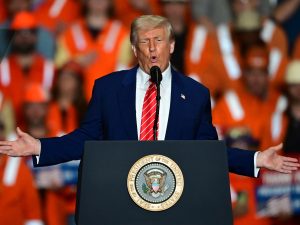
The administration’s rationale, articulated by Treasury Secretary Scott Bessent, centers on incentivizing the return of advanced manufacturing to the U.S., emphasizing “high-quality industrial jobs” and “precision manufacturing” over legacy industries. While the long-term vision may be to re-shore critical industrial capabilities, the immediate consequence for businesses embedded in existing global supply chains is a severe liquidity crunch and operational paralysis. Such policies, while aiming for strategic shifts, often overlook the practical, short-term challenges faced by companies that have optimized their production and distribution networks over years.
For firms like Wild Rye, the immediate response to these escalating costs has been defensive. Management has frozen new hiring, suspended salary increases for its 11 full-time employees, and put a halt to crucial new product development. Furthermore, the brand anticipates raising consumer prices by 10 to 20 percent on its fall lineup to offset some of the tariff impact. These measures, while necessary for survival, inevitably dampen consumer purchasing power and stifle innovation, creating a ripple effect across the broader economy.
The urgency of the situation has prompted industry leaders to seek intervention. On April 29, hundreds of representatives from the outdoor apparel sector convened in Washington to lobby for relief. The political landscape, however, appears gridlocked; Democratic leaders expressed uncertainty regarding their ability to act given the current Republican control of both the House and Senate, while Republican leadership reportedly feared political repercussions for opposing the president’s trade agenda. This political impasse only exacerbates the uncertainty for businesses and investors alike, highlighting a lack of clear pathways forward amidst growing economic pressure.
Broader Economic Fallout and Energy Market Implications
The struggles of individual businesses under the weight of tariffs are not isolated events; they represent a significant drag on overall economic activity. When companies freeze hiring, delay investments, and pass on increased costs to consumers, it constrains consumer spending and business expansion across multiple sectors. This slowdown in economic momentum directly translates into softened demand for energy commodities.
From an energy market perspective, several key areas are vulnerable. Reduced industrial output, whether due to increased import costs or a shift in manufacturing locations, directly impacts demand for natural gas and electricity used in production processes. Furthermore, the expected price increases on consumer goods could lead to a contraction in discretionary spending, subsequently affecting transportation fuels like gasoline and jet fuel. If supply chains are repeatedly disrupted and companies are forced to hold more inventory or alter logistics, the efficiency of global shipping could be compromised, impacting demand for bunker fuels.
Moreover, the overarching climate of trade uncertainty discourages capital expenditure, particularly in long-cycle industries such as oil and gas. Energy investors closely monitor macroeconomic indicators, and any signals of decelerating growth or persistent trade friction can lead to a more cautious stance, potentially impacting investment in exploration, production, and infrastructure projects. The interplay between trade policy, economic growth, and energy consumption is undeniable, making these tariff developments a critical factor for energy market participants.
Investor Outlook and Strategic Positioning
For investors in the oil and gas sector, these trade tensions warrant careful monitoring. While the U.S. administration emphasizes a shift towards domestic manufacturing, the immediate economic cost to businesses and consumers is palpable. The potential for reduced global trade volumes and dampened economic growth creates downward pressure on commodity prices, particularly crude oil and refined products. Companies with significant international exposure or those heavily reliant on global supply chains for equipment and services may face increased operational risks and costs.
Savvy energy investors should evaluate portfolio companies for their resilience to trade disruptions, their supply chain diversification strategies, and their sensitivity to changes in global demand. The current environment underscores the importance of a diversified investment approach and a keen awareness of geopolitical and trade policy developments. As businesses like Wild Rye grapple with immediate survival, the broader economic ramifications of these tariffs continue to cast a shadow over the trajectory of global energy demand and the overall health of the investment landscape.