Diplomatic Breakthroughs in Geneva Spark Optimism for Global Energy
The global energy market is keenly observing the positive signals emerging from recent high-level trade discussions between the United States and China. A constructive dialogue between the world’s two largest economies, aimed at de-escalating persistent tariff disputes, inherently injects optimism into the global economic forecast, directly bolstering projections for future oil consumption.
Following intensive weekend negotiations held behind closed doors in Geneva, Switzerland, senior officials from both Washington and Beijing have publicly affirmed significant progress in their efforts to mitigate the trade tensions that have clouded the global economic landscape. U.S. Treasury Secretary Scott Bessent, speaking after Sunday’s discussions, expressed satisfaction, noting the substantial strides made in these pivotal trade talks, describing them as highly productive. Echoing this sentiment, U.S. Trade Representative Jamieson Greer, who participated in the two-day dialogue alongside Chinese Vice Premier He Lifeng, suggested that the differences between the two economic powerhouses were perhaps less formidable than commonly perceived. Vice Premier He Lifeng, for his part, also lauded the “important progress,” highlighting the candid, in-depth, and substantive atmosphere that characterized the talks with his American counterparts. Both nations have indicated that a joint statement detailing the outcomes is forthcoming, expected early this week.
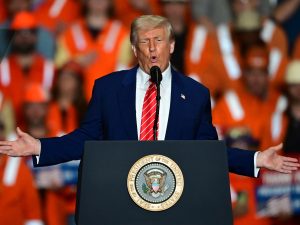
Even before the official pronouncements, President Donald Trump had taken to his social network, Truth Social, to describe the initial negotiations as “very good,” envisioning a “total reset” achieved through a friendly yet constructive approach. While Beijing remained silent immediately after Sunday’s talks, Chinese state news agency Xinhua had earlier characterized the discussions as a crucial stride towards resolving the ongoing trade impasse. These meetings marked the first direct engagement between top economic officials since the latest round of significant tariffs was imposed by the U.S. last month, triggering reciprocal actions from China.
The Economic Cost of Tariffs and Their Impact on Energy Markets
The consensus among financial analysts underscores the counterproductive nature of the protracted trade conflict. Nathan Sheets, Global Chief Economist at Citigroup, articulated a widely held view, describing the tariffs as a “lose-lose proposition” that ultimately serves neither American nor Chinese interests. This sentiment resonates deeply within the energy sector, as sustained trade friction invariably dampens global manufacturing, disrupts intricate supply chains, and curtails international shipping volumes—all critical drivers of oil demand.
The current tariff regime is substantial. Washington’s duties on Chinese manufactured goods have reached an aggregate of 145 percent, with specific categories facing cumulative levies as high as 245 percent. In response, Beijing implemented its own significant tariffs, imposing 125 percent duties on various American products. Such barriers inevitably lead to higher costs for consumers, reduced corporate profitability, and a general slowdown in economic expansion, directly correlating with a decreased need for transportation fuels and industrial energy. An easing of these restrictions would directly translate to increased economic activity, providing a tangible boost to global oil consumption.
Navigating Expectations and Future Outlook for Crude
While the mood is cautiously optimistic, both sides initially sought to manage expectations, focusing on ‘de-escalation’ rather than an immediate ‘big trade deal.’ This pragmatic approach, however, offers a more stable foundation for global trade, which is a net positive for crude oil markets. President Trump had previously floated the idea of adjusting tariffs, suggesting an “80% Tariff on China seems right!” on social media. However, his press secretary, Karoline Leavitt, later clarified that any tariff reduction would necessitate reciprocal concessions from China, emphasizing a balanced negotiation rather than unilateral action.
For oil and gas investors, this signifies a potential easing of a major geopolitical headwind. Reduced trade uncertainty translates into greater business confidence, encouraging investment, production, and logistical activities that are inherently energy-intensive. A more predictable global trade environment could stimulate industrial output, boost freight demand across land and sea, and generally foster the economic growth necessary to absorb current and future oil supplies. The market will be closely watching the impending joint statement for specific commitments and timelines, as sustained progress in these talks will undoubtedly be a key determinant of the global oil demand trajectory through the coming quarters.
Investor Implications: Why Trade Matters for Oil Market Cap
The intertwining of global trade dynamics and energy demand cannot be overstated for investors in the oil and gas sector. When trade barriers recede, the arteries of global commerce flow more freely. This means more ships traversing oceans, more trucks transporting goods, and more factories operating at higher capacities – all activities directly powered by crude oil and its derivatives. Enhanced trade relations foster a more robust global economy, where increased consumer spending and industrial production drive the underlying demand for hydrocarbons.
For companies involved in exploration, production, refining, and transportation, a positive trade outlook translates into improved revenue prospects and potentially higher valuations. The petrochemical industry, a significant consumer of oil and gas feedstocks, stands to benefit from increased manufacturing activity. Furthermore, reduced geopolitical friction often stabilizes commodity prices, offering a more predictable environment for long-term capital expenditure planning. As such, the ongoing progress in U.S.-China trade discussions represents a crucial indicator for the overall health and future direction of the oil market, signaling a potential tailwind for energy equities and a more resilient demand profile.