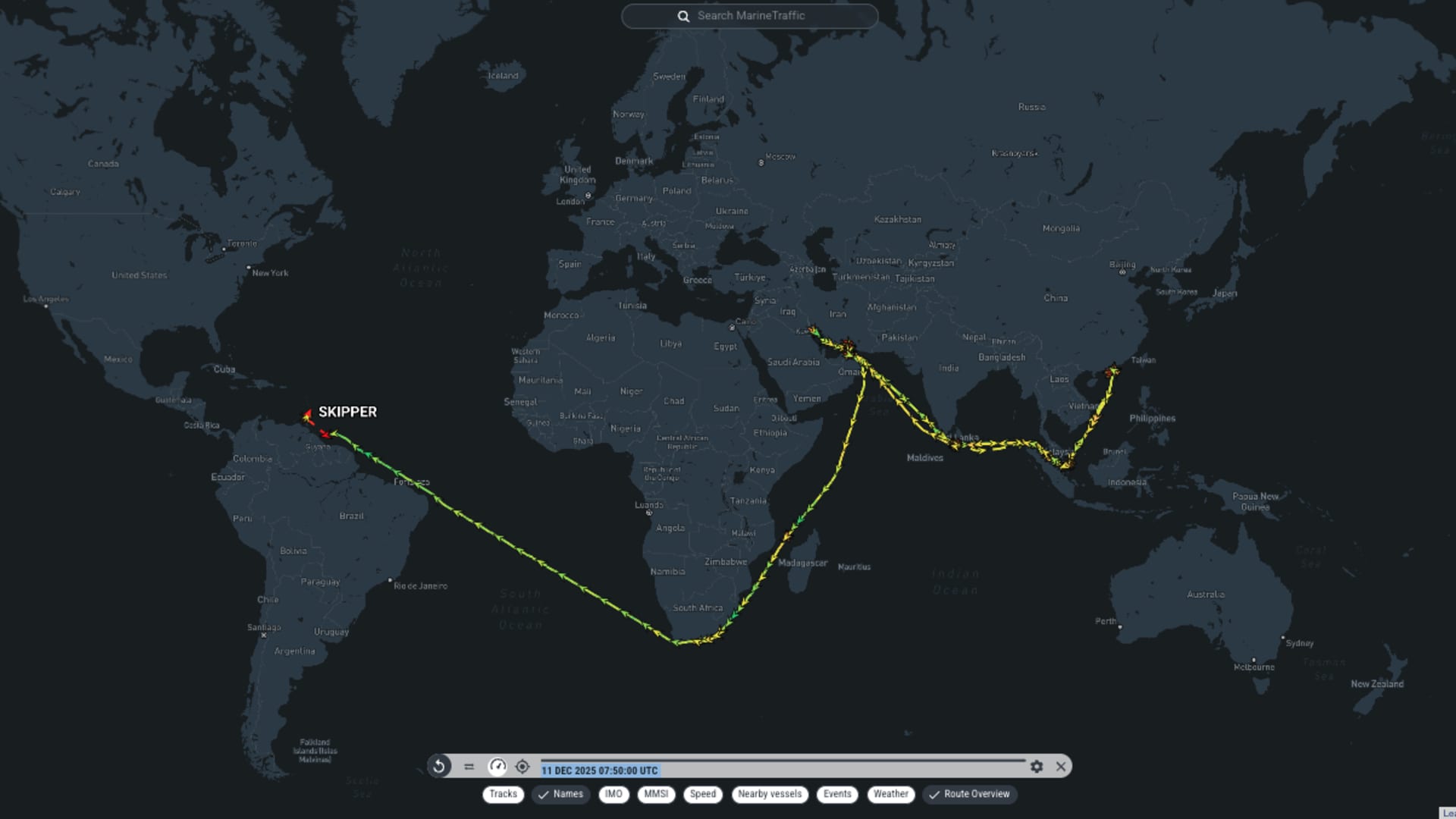
The recent seizure of the tanker Skipper by U.S. forces off Venezuela has sent a potent signal to the global oil and gas market: sanctions compliance is no longer a peripheral concern but a central pillar of operational risk. This incident, involving a vessel meticulously designed for deceptive operations to transport sanctioned oil from Iran and Venezuela, underscores the escalating commitment by authorities to enforce restrictions. For investors navigating a complex energy landscape, understanding the implications of such actions – from supply chain integrity to market volatility – is paramount. This analysis delves into the mechanics of this high-profile enforcement, its broader market ramifications, and the critical due diligence required for energy sector investments.
Escalating Enforcement: The Anatomy of Maritime Deception Unveiled
The Skipper incident serves as a stark case study in the sophisticated methods employed to circumvent international sanctions. Data indicates this Guyana-flagged tanker, under U.S. Office of Foreign Assets Control (OFAC) sanctions since 2022, engaged in a clear pattern of Automatic Identification System (AIS) spoofing for over 80 days in the past two years. This digital manipulation allowed the vessel to obscure its true location, facilitating illicit activities like covert ship-to-ship transfers and the loading of 1.1 million barrels of oil from sanctioned origins in mid-November. The vessel’s movements, including falsified positions broadcast across various regions from Egypt to Ghana, and confirmed transport from Venezuelan ports like Jose and Iran’s Kharg Island, paint a comprehensive picture of intentional non-compliance.
This aggressive enforcement action arrives at a moment of heightened sensitivity in global energy markets. As of today, Brent crude trades at $91.87, reflecting a significant daily decline of 7.57%, with WTI similarly impacted at $84.00, down 7.86%. Gasoline prices have also dipped to $2.95, a 4.85% decrease. This current volatility, compounded by a recent 14-day trend that saw Brent fall by $14 from $112.57 to $98.57, highlights the market’s underlying nervousness. The effective removal of illicitly supplied oil from the market, as demonstrated by the Skipper seizure, introduces another layer of supply uncertainty, which can exacerbate price swings and add pressure to a market already grappling with geopolitical tensions and demand fluctuations.
Market Repercussions: Supply, Price, and Investor Sentiment
The seizure of the Skipper, carrying 1.1 million barrels, is more than an isolated event; it represents a tangible reduction in the ‘dark fleet’ capacity and, by extension, a tightening of illicit oil supply. While this volume may seem modest in the grand scheme of global consumption, the deterrent effect of such high-profile enforcement is significant. It signals to other operators engaged in similar practices that the risks of detection and seizure are growing, potentially impacting the availability of sanctioned oil that has historically found its way into global markets.
Investors are keenly observing these developments, particularly concerning future price trajectory. Many are asking about the predicted price of oil per barrel by the end of 2026. Stricter compliance enforcement, as exemplified by this seizure, will undoubtedly play a critical role in shaping supply narratives. If the effective supply of sanctioned oil is reduced, it could create upward price pressure, particularly if global demand remains robust or if OPEC+ maintains a disciplined approach to production. The broader implication is a shift towards a more transparent, albeit potentially tighter, supply environment, which merits close attention in long-term investment models.
Navigating the Compliance Minefield: Due Diligence for Energy Investors
For companies operating in the energy sector, the Skipper seizure underscores the profound and growing importance of robust sanctions compliance programs. The risks associated with inadvertently or indirectly participating in the trade of sanctioned oil are substantial, encompassing not only severe financial penalties and asset seizures but also debilitating reputational damage. Investors are increasingly scrutinizing the supply chain integrity of their portfolio companies, recognizing that a single compliance failure can erode significant shareholder value.
Companies with global operations, including those with intricate shipping logistics or international partnerships, face heightened scrutiny. Questions from investors, such as those regarding the future performance of major players like Repsol, reflect a broader concern about how well companies are prepared to navigate this evolving regulatory landscape. Effective due diligence now extends beyond financial metrics to encompass a thorough assessment of a company’s compliance frameworks, vessel tracking protocols, and counterparty vetting processes. Investment analysts must look for clear evidence of proactive measures to mitigate sanctions risk, including the rigorous use of AIS data analysis and comprehensive third-party risk assessments, to safeguard against exposure to illicit trade flows.
The Road Ahead: Geopolitics, OPEC+, and Future Supply Dynamics
The implications of heightened sanctions enforcement extend directly into the geopolitical arena and will undoubtedly feature in upcoming energy discussions. With the OPEC+ Joint Ministerial Monitoring Committee (JMMC) meeting scheduled for tomorrow, April 17th, followed by the Full Ministerial meeting on April 18th, the impact of reduced illicit supply on global market balances becomes even more pertinent. A more effective throttling of sanctioned oil could, in effect, represent an unplanned tightening of global supply, potentially influencing OPEC+’s production decisions or at least altering the baseline assumptions for their market assessments.
Looking further ahead, the weekly API and EIA crude inventory reports on April 21st and 22nd, respectively, along with the Baker Hughes Rig Count on April 24th, will offer critical insights into immediate supply and demand dynamics in key markets. However, the overarching theme of sanctions compliance and its role in shaping effective global supply will remain a significant factor. For investors, monitoring the continued enforcement actions, assessing their aggregate impact on the ‘dark fleet,’ and understanding how these pressures influence major producers and consumers will be essential for anticipating future market movements and making informed investment decisions in the dynamic oil and gas sector.