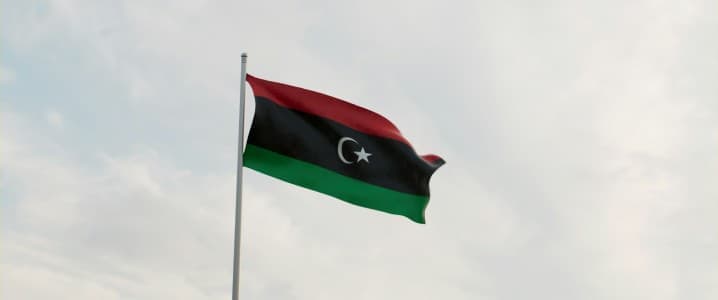
The return of Algeria’s state-owned energy giant, Sonatrach, to oil and gas exploration in Libya marks a significant inflection point for the North African nation’s energy sector and the broader global oil market. This move, which saw Sonatrach commence drilling an exploration well in the resource-rich Ghadames basin in mid-October, is not an isolated event. It is part of a growing trend of international majors re-engaging with Libya’s vast, yet often underutilized, hydrocarbon potential. For investors, this signals a potential recalibration of long-term supply forecasts and a fresh look at the risk-reward dynamics of frontier exploration, especially in a market grappling with persistent volatility and evolving supply-demand narratives. This renewed commitment by key players could unlock substantial new reserves, offering strategic opportunities for those positioned to capitalize on Libya’s resurgence.
Libya’s Resurgence: A Magnet for Big Oil Investment
Sonatrach’s reentry into the Ghadames basin, a region strategically located near the Libyan-Algerian border, underscores the immense geological promise that has drawn international attention for decades. After a hiatus exceeding a decade due to security concerns, Sonatrach’s renewed commitment, solidified by cooperation agreements signed with Libya’s National Oil Corporation (NOC) in July, signals growing confidence in the operational environment. This confidence is echoed by other global energy titans. Italy’s Eni has already resumed offshore exploration activities northwest of Libya, picking up after a five-year pause. More significantly, supermajors BP and Shell have also inked agreements with NOC in July, committing to evaluate the oil and gas potential across several critical fields. BP is set to conduct studies for hydrocarbon exploration and production in the Messla and Sarir fields, along with surrounding exploration areas, and has confirmed plans to reopen its Tripoli office by the fourth quarter of 2025 to manage its expanding project portfolio. Shell, meanwhile, is tasked with evaluating hydrocarbon prospects and conducting feasibility studies for the development of the al-Atshan field and other NOC-owned assets. These coordinated moves by major international players highlight a strategic pivot towards tapping Libya’s considerable, yet largely undeveloped, oil and gas reserves, offering a compelling long-term growth narrative for the global energy supply.
Navigating Market Headwinds: Libya’s Role Amidst Price Volatility
The renewed focus on Libyan exploration unfolds against a backdrop of dynamic and often turbulent global energy markets. As of today, Brent crude trades at $90.38 per barrel, reflecting a sharp decline of 9.07% within the day’s trading range of $86.08 to $98.97. Similarly, WTI crude is priced at $82.59, down 9.41%. This recent downturn extends a significant trend; Brent has fallen by nearly 20% over the past fortnight, dropping from $112.78 on March 30 to its current level. This volatility, driven by a complex interplay of macroeconomic concerns, geopolitical developments, and shifting supply-demand fundamentals, places a premium on stable and diversified supply sources. While new discoveries in Libya will not immediately impact these spot prices, the long-term potential for increased production capacity serves as a crucial strategic asset. For investors, understanding the future trajectory of oil prices is paramount, a sentiment reflected in questions our readers are frequently asking, such as “What do you predict the price of oil per barrel will be by end of 2026?” The re-engagement of majors in Libya suggests a long-term bullish outlook for new hydrocarbon supplies, acting as a potential hedge against future supply shocks and offering a compelling value proposition irrespective of short-term price fluctuations.
Upcoming Catalysts and Investor Outlook: Beyond the Immediate Horizon
The strategic importance of new supply sources like Libya will undoubtedly feature, albeit indirectly, in upcoming market-moving events. The immediate horizon includes the OPEC+ Joint Ministerial Monitoring Committee (JMMC) Meeting on April 19, followed by the full OPEC+ Ministerial Meeting on April 20. These gatherings are critical for setting production quotas and guiding market sentiment. While Libya is typically exempt from OPEC+ production cuts due to its unique internal challenges, any substantial increase in its output in the coming years would naturally influence the broader supply calculus and, consequently, OPEC+’s strategic decisions. This ties directly into investor inquiries about “What are OPEC+ current production quotas?” and the broader question of 2026 oil price predictions. Weekly data releases, such as the API Weekly Crude Inventory (April 21, April 28) and the EIA Weekly Petroleum Status Report (April 22, April 29), alongside the Baker Hughes Rig Count (April 24, May 1), will provide ongoing snapshots of market health and drilling activity, contextualizing the long-term potential from regions like Libya. The progressive return of majors to Libya signals an expectation of stability and long-term production growth that could help balance global energy needs, making the region a key area to monitor for future investment opportunities.
Evaluating the Risk-Reward Profile of Libyan Exploration
Investing in frontier markets like Libya inherently involves navigating a complex risk-reward landscape. Sonatrach’s previous withdrawal over a decade ago due to an “unstable security situation” serves as a stark reminder of the geopolitical sensitivities at play. However, the current wave of re-engagement by seasoned players like Eni, BP, and Shell suggests a calculated assessment that the potential rewards now outweigh the perceived risks. Libya holds Africa’s largest proven oil reserves, and its basins remain significantly underexplored compared to more mature regions. The agreements signed with NOC are focused on both exploration and evaluation, indicating a methodical approach to unlocking this potential. For long-term investors, this presents an opportunity to gain exposure to significant resource upside through companies with the technical expertise and financial resilience to operate in challenging environments. The re-establishment of offices, such as BP’s planned return to Tripoli by late 2025, further signals a long-term commitment. While political stability remains a critical watch factor, the strategic imperative for global energy security and the sheer scale of the hydrocarbon potential make Libya an increasingly compelling, if still high-risk, proposition for energy investors seeking substantial growth.


