Saudi Arabia’s Strategic Pivot: Fueling AI with Abundant Energy Resources
Saudi Arabia is embarking on a bold and ambitious strategy to position itself as a global leader in artificial intelligence, a move deeply intertwined with its immense energy endowments. Far from being solely an oil and gas producer, the Kingdom is leveraging its abundant supply of low-cost natural gas and renewable energy to power the energy-intensive data centers critical for AI development and operation. This strategic pivot, spearheaded by entities like Aramco and the Public Investment Fund (PIF), signifies a recognition of evolving global energy demand patterns and presents a compelling new dimension for long-term investors in the energy sector.
The Kingdom’s AI Ambition: Low-Cost Energy as a Competitive Edge
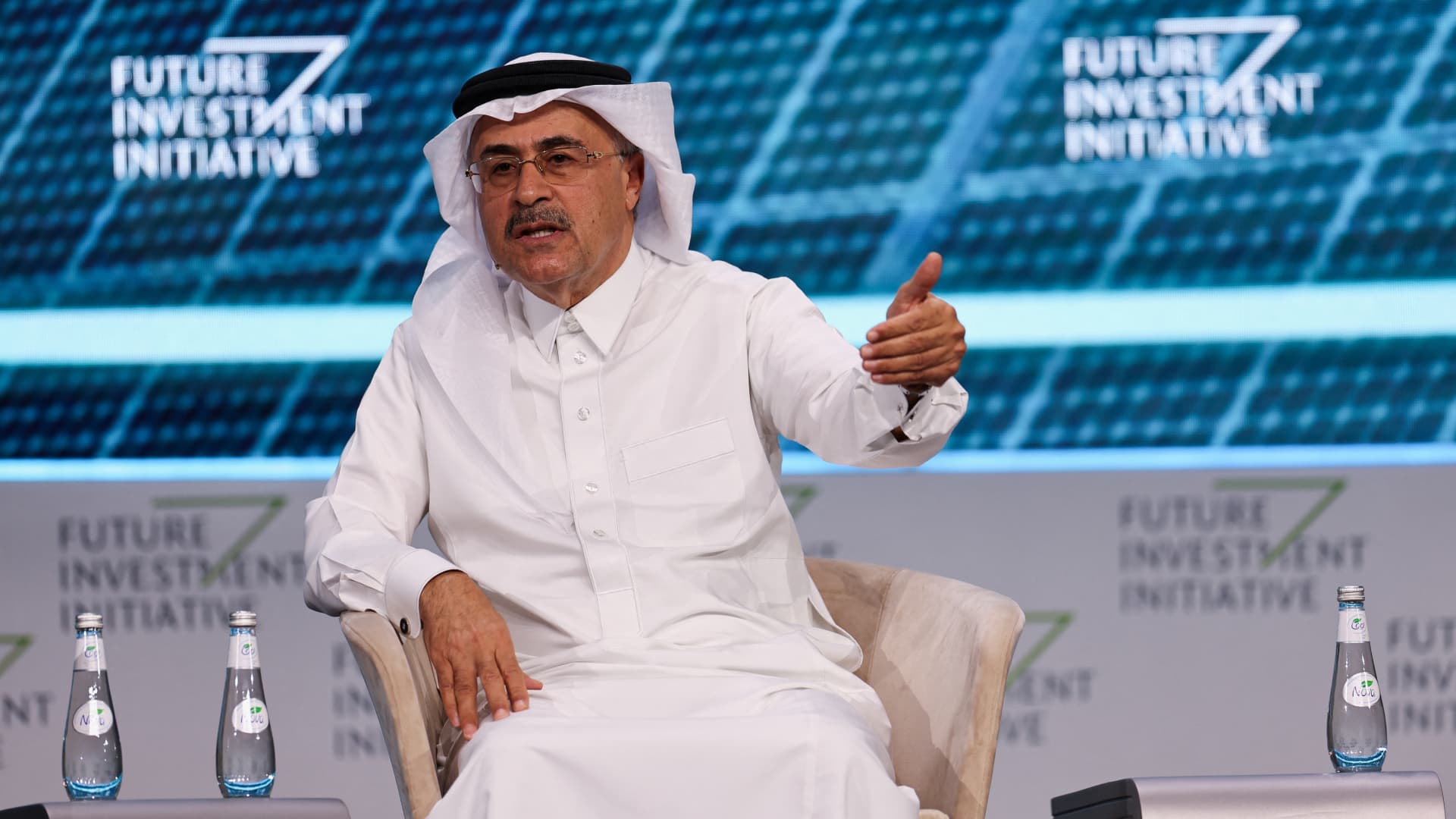
The vision for Saudi Arabia to become a top-tier AI player, potentially ranking third globally behind only the U.S. and China, hinges on a fundamental advantage: unparalleled access to cheap, scalable energy. This strategy is epitomized by the launch of Humain in May, a national AI champion majority-owned by PIF, with Aramco acquiring a significant minority stake in late October. Data centers, which are the backbone for training and running advanced AI applications, demand colossal amounts of electricity. Projections suggest these facilities could consume nearly four times the electricity of the entire global electric vehicle fleet by 2030. Saudi Arabia is uniquely positioned to meet this demand, offering the lowest cost for both renewable energy and natural gas, coupled with vast land availability for infrastructure development.
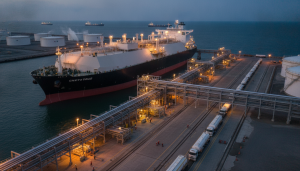
Aramco, recognizing this synergy, is dedicating a significant portion of its capital spending to bolster natural gas production, targeting an increase of over 60% by 2030. This expansion is crucial for powering the burgeoning AI infrastructure while also meeting domestic demand. With projected capital expenditures ranging from $52 billion to $58 billion this year, Aramco’s investment in Humain and gas production underscores a long-term commitment to this dual energy and technology frontier. This strategic alignment not only diversifies the Kingdom’s economic base but also creates new, substantial demand verticals for its primary energy resources.
Energy Markets in Flux: AI’s Demand-Side Jolt Amidst Price Volatility
The global energy market continues to navigate a complex landscape of supply dynamics, geopolitical tensions, and evolving demand forecasts. As of today, Brent crude trades at $90.38 per barrel, experiencing a notable decline of 9.07% within the day’s range of $86.08 to $98.97. WTI crude mirrors this sentiment, sitting at $82.59, down 9.41% from its daily high, having ranged from $78.97 to $90.34. This recent downturn follows a significant 14-day trend where Brent has shed nearly 20% from $112.78 on March 30th to its current level. Gasoline prices also reflect this bearish sentiment, currently at $2.93, down 5.18%.
Despite this near-term volatility, Aramco maintains a robust long-term outlook for oil and gas demand. The company anticipates global demand to grow by 1.1 million to 1.3 million barrels per day this year, with a similar expansion projected for 2026. This growth is predominantly driven by consumption in developing markets, particularly across Asia. The emergence of AI data centers as a massive new energy consumer adds a significant layer to this demand thesis, especially for natural gas. This sustained demand, even as new energy-intensive industries arise, reinforces the strategic importance of traditional hydrocarbon resources, albeit with an increasing focus on efficiency and lower-carbon applications like powering advanced computing infrastructure.
Navigating the Near-Term: Upcoming Catalysts and Strategic Implications
For investors tracking the energy sector, the immediate horizon presents several critical events that could influence market direction and offer insights into strategic shifts. The upcoming OPEC+ Joint Ministerial Monitoring Committee (JMMC) Meeting on April 19th, followed by the full OPEC+ Ministerial Meeting on April 20th, will be closely watched. These gatherings are crucial for understanding the bloc’s production policy, especially given current price movements and the broader discussions around global supply stability. The Saudi AI initiative, while long-term, underscores the Kingdom’s strategic flexibility and its capacity to both manage traditional energy markets and cultivate new high-tech industries.
Beyond OPEC+, investors will also be scrutinizing weekly inventory data from the API (April 21st, April 28th) and the EIA (April 22nd, April 29th), which provide crucial snapshots of U.S. crude, gasoline, and distillate stocks – key indicators of market balance. Furthermore, the Baker Hughes Rig Count, scheduled for April 24th and May 1st, will offer insights into North American drilling activity, reflecting producer sentiment and future supply trends. These events, combined with the underlying narrative of growing energy demand from sectors like AI, paint a dynamic picture for the energy investment landscape.
Addressing Investor Queries: Long-Term Outlook and Sector Resilience
Our proprietary market intelligence indicates that investors are keenly focused on the long-term trajectory of oil prices and the resilience of energy companies in a rapidly evolving global economy. Many are specifically asking about predictions for the price of oil per barrel by the end of 2026. Aramco’s reiterated forecast for continued demand growth of 1.1 million to 1.3 million barrels per day through 2026 provides a foundational data point for such projections. This outlook, combined with the new, substantial demand vector from AI data centers, suggests a sustained need for hydrocarbon resources, particularly natural gas.
The Saudi strategy effectively mitigates the narrative of “peak oil demand” by creating new avenues for energy consumption, leveraging existing strengths to build future industries. This proactive approach by a major oil producer provides a powerful signal to the market about the enduring relevance and adaptability of the energy sector. For investors, understanding these strategic pivots and the underlying energy demand drivers – whether from traditional emerging economies or cutting-edge AI infrastructure – is paramount for informed decision-making in the dynamic oil and gas investment landscape.