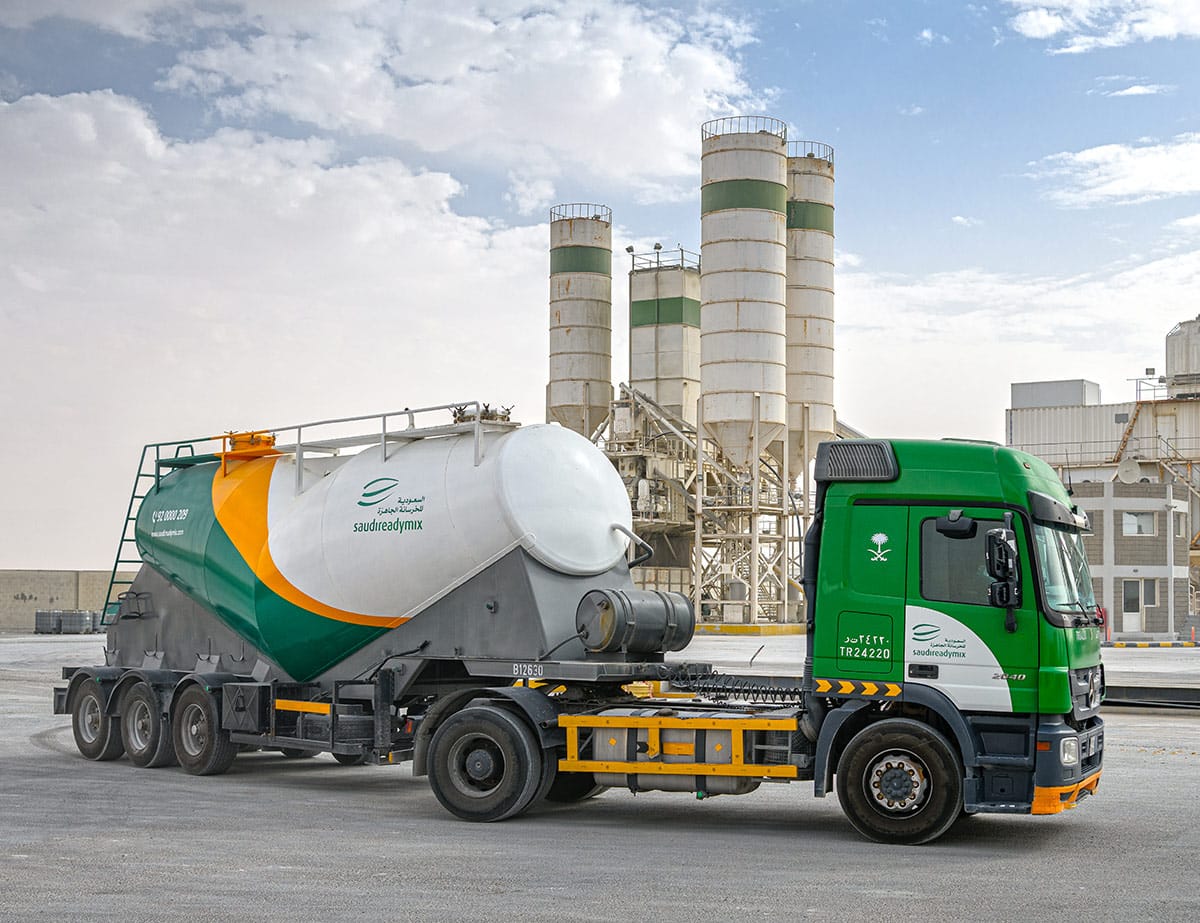
The global energy landscape is undergoing a profound transformation, and while the spotlight often shines on renewables or electric vehicles, the foundational elements of infrastructure development also represent significant investment opportunities and critical decarbonization pathways. Saudi Arabia, a cornerstone of the global oil market, is simultaneously charting an ambitious course for diversified economic growth and environmental stewardship under Vision 2030 and the Saudi Green Initiative. A recent collaboration between Saudi Readymix Concrete Company and US-based CHASM Advanced Materials, demonstrating scalable production of carbon nanotube (CNT)-enhanced green concrete using entirely local inputs, signals a pivotal shift in how major oil-producing nations are tackling emissions in their most carbon-intensive sectors. For investors, this isn’t just a story about cement; it’s about strategic resilience, sustainable value creation, and unlocking new market efficiencies within a critical commodity-dependent economy.
Decarbonizing Saudi Arabia’s Growth Engine: A Local Solution
Saudi Arabia’s Vision 2030 hinges on an unprecedented scale of construction, from futuristic giga-projects like NEOM to expanded transport networks and urban centers. Concrete, the backbone of this development, represents one of the most challenging sectors to decarbonize, accounting for a substantial portion of global industrial CO₂ emissions. The Saudi Green Initiative’s aggressive target of reducing 278 million tonnes of CO₂ annually and achieving Net Zero by 2060 places immense pressure on suppliers to innovate. Traditional low-carbon concrete often relies on supplementary cementitious materials (SCMs) like fly ash or ground granulated blast furnace slag, which are frequently unavailable at scale locally and require costly, carbon-intensive imports. This creates significant supply chain vulnerabilities and cost volatility. The Dammam field demonstration, showcasing CHASM’s patented NTeC® carbon nanotube technology integrated into Saudi Readymix’s standard batching process, offers a compelling counter-narrative. By enhancing concrete performance at minimal inclusion rates, this technology enables lower-carbon mixes without external SCMs, aligning perfectly with domestic resource availability and national decarbonization goals. This strategic pivot towards self-sufficiency in critical materials offers a significant de-risking factor for long-term infrastructure investment in the Kingdom.
Unlocking Value Through Local Supply Chains and Extreme Durability
The “local inputs” aspect of this advanced concrete solution is a game-changer for Saudi Arabia’s construction sector. Eliminating the reliance on imported SCMs like fly ash and GGBFS not only reduces direct emissions from transportation but also insulates projects from international supply chain disruptions and fluctuating material costs. For investors scrutinizing the capital expenditure of giga-projects, this translates directly into greater cost predictability and operational efficiency over multi-decade timelines. Beyond supply chain resilience, the performance characteristics of CNT-enhanced concrete are particularly relevant to the Kingdom’s unique environmental challenges. Saudi Arabia presents some of the world’s harshest operating conditions for infrastructure, with extreme heat, significant daily temperature swings, and high salinity levels in coastal cities such as Dammam, Jubail, and Khobar. These conditions accelerate material degradation, leading to cracking and reduced lifespan for conventional concrete structures. The NTeC® technology is specifically engineered to improve crack resistance, compressive strength, and long-term durability under such stresses. Projects built with more resilient materials require less maintenance and fewer costly repairs over their operational life, offering superior total cost of ownership and enhancing the long-term asset value, a key consideration for institutional investors.
Navigating Market Volatility with Sustainable Investments
In the broader energy market, investors are currently grappling with significant volatility, as evidenced by recent commodity price movements. As of today, Brent Crude trades at $90.22, marking a marginal decrease of 0.23% within a day range of $93.87-$95.69, while WTI Crude stands at $86.67, down 0.86% from its daily range of $85.5-$87.49. This represents a stark contrast to the recent past; the 14-day trend for Brent shows a significant decline from $118.35 on March 31st to $94.86 on April 20th, a drop of nearly 20%. Such fluctuations naturally lead to investor questions about market direction, reflecting the sentiment captured by queries like “is WTI going up or down.” Amidst this uncertainty, investments in sustainable, localized infrastructure solutions like eco-concrete in Saudi Arabia offer a compelling diversification strategy. While crude prices react to geopolitical tensions and demand shifts, the fundamental demand for robust, environmentally sound construction materials in a rapidly developing economy remains strong. Investments in companies driving these innovations, or in projects leveraging them, can provide a degree of insulation from the more volatile segments of the energy market while aligning portfolios with long-term global decarbonization trends and Saudi Arabia’s strategic growth. The emphasis on domestic production also reduces exposure to global supply chain shocks that can exacerbate commodity price swings.
Forward Outlook: Policy, Inventory, and Strategic Energy Shifts
The implications of localized, high-performance eco-concrete extend beyond individual projects, touching on broader energy policies and market dynamics. Looking ahead, several key energy events will shape the macro environment, influencing the cost of capital and the strategic direction for both traditional and new energy investments. The upcoming OPEC+ JMMC Meeting on April 21st is crucial, as any adjustments to production quotas can directly impact global crude prices, influencing the overall economic calculus for large-scale infrastructure projects. Similarly, the EIA Weekly Petroleum Status Reports on April 22nd and April 29th, alongside the API Weekly Crude Inventory updates, provide vital insights into inventory levels and demand trends, which in turn affect the cost of energy inputs for industrial processes, including cement production. Furthermore, the EIA Short-Term Energy Outlook on May 2nd will offer a comprehensive forecast for energy markets, providing strategic guidance for long-term investment planning. These macro indicators, when viewed through the lens of micro-level innovations like CNT-enhanced concrete, reveal a nuanced investment landscape. As global energy markets continue their turbulent transition, the ability of nations like Saudi Arabia to develop robust, locally sourced, and environmentally responsible industrial solutions will not only underpin their economic diversification but also create attractive, resilient investment opportunities for those looking beyond conventional oil and gas plays into the future of sustainable infrastructure development.


