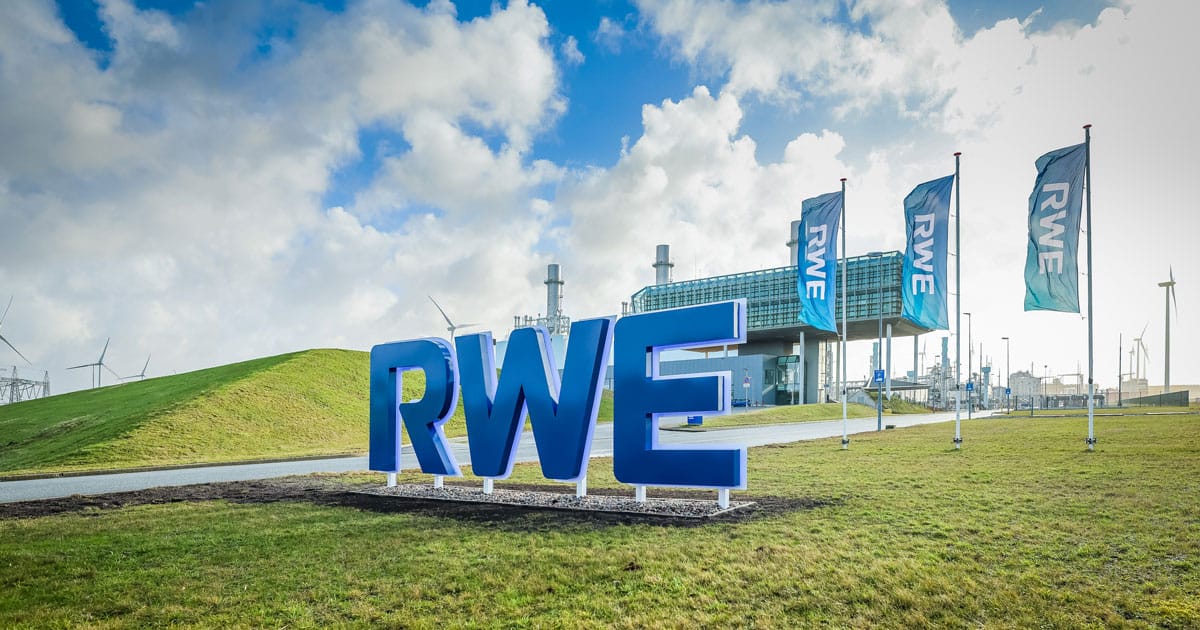
The European energy landscape is undergoing a profound transformation, driven by ambitious decarbonization targets and a strategic push towards cleaner fuels. At the forefront of this shift, the commissioning of Europe’s largest renewable hydrogen production facility by RWE in Germany, with a significant long-term offtake agreement from TotalEnergies, marks a pivotal moment. This landmark project, beginning with a 100 megawatt electrolyser and slated for expansion to 300 megawatts by 2027, offers a critical case study for investors keen on understanding the opportunities and inherent challenges in the nascent green hydrogen economy. While the long-term vision is compelling, savvy investors must weigh the high initial production costs against the strategic value of integrated infrastructure and robust industrial demand, all within a continually evolving global energy market.
Green Hydrogen’s High Hurdles and Investor Scrutiny
The Lingen facility, set to commence commercial production in 2026, represents a substantial commitment to industrial decarbonization, specifically targeting TotalEnergies’ Leuna refinery. The 15-year agreement for 30,000 tonnes of green hydrogen annually from 2030 underscores the long-term demand potential. However, the reported production costs of approximately €7.54 per kilogram highlight the significant economic hurdles that green hydrogen projects currently face. For investors, this figure is crucial. It dictates the necessary policy support, technological advancements, and eventual market pricing required for these projects to achieve competitive returns. Our proprietary reader intent data reveals a consistent investor focus on the viability of new energy sources, with many asking how specific companies like Repsol might perform in the current climate, implicitly questioning the allocation of capital to either traditional or new energy ventures. The RWE-TotalEnergies partnership provides a tangible example of how major energy players are navigating this complex cost-benefit analysis, betting on future cost reductions and the strategic imperative of supply chain security.
Building the Backbone: Infrastructure and Integration
A key differentiator for the Lingen project is its integrated approach, which addresses some of the most pressing challenges in scaling green hydrogen. The facility’s output is specifically earmarked for industrial demand via a dedicated 600-kilometer pipeline, set to become a vital component of Germany’s planned core hydrogen network. This infrastructure development is paramount for creating a functioning hydrogen market, connecting production hubs in the north and west with industrial consumption centers. Furthermore, RWE’s plans to utilize underground hydrogen storage at Gronau-Epe, coming online by 2027, are critical. This storage capacity will mitigate the intermittency of renewable power sources, ensuring a stable and reliable supply to industrial offtakers. For investors, projects that demonstrate this level of vertical integration – from production and storage to dedicated transport and long-term industrial contracts – present a more de-risked and therefore more attractive proposition compared to standalone production facilities, signaling a mature approach to market development.
Crude Volatility and the Energy Transition’s Backdrop
While the focus shifts to green hydrogen, the broader energy market continues to exert significant influence on investment decisions. As of today, Brent crude trades at $90.4, a marginal dip from its day range of $93.87-$95.69. Similarly, WTI crude stands at $86.8, down 0.71% within a daily range of $85.5-$87.49. This relative stability in current spot prices, however, belies recent significant volatility. Our market data indicates Brent crude has experienced a substantial downturn, shedding nearly 20% from $118.35 on March 31st to $94.86 just yesterday. Such fluctuations in conventional energy prices create a dynamic backdrop for green hydrogen investments. Lower crude prices could reduce the immediate economic pressure to switch from fossil-based hydrogen, potentially extending the payback period for new green hydrogen projects. Conversely, sustained high crude prices provide a stronger economic impetus for industrial users to embrace alternatives. Investors are acutely aware of this interplay, with many asking about the future trajectory of oil prices, including “what do you predict the price of oil per barrel will be by end of 2026?” The answer to this question significantly shapes the perceived urgency and competitiveness of decarbonization pathways.
Upcoming Events to Watch for Market Signals
The coming weeks are packed with critical energy market events that will further shape the investment landscape, even for emerging sectors like green hydrogen. Tomorrow, April 21st, the OPEC+ JMMC Meeting will provide insights into potential supply adjustments, which could directly impact crude oil prices and, by extension, the economic attractiveness of green alternatives. The EIA Weekly Petroleum Status Reports on April 22nd and April 29th, alongside API Weekly Crude Inventory data on April 28th and May 5th, will offer granular detail on U.S. supply and demand dynamics. Furthermore, the Baker Hughes Rig Count on April 24th and May 1st will signal future production trends. Perhaps most critically for forward-looking investors, the EIA Short-Term Energy Outlook on May 2nd will present official projections for energy markets, including oil and natural gas prices, throughout 2026. These events, while primarily focused on hydrocarbons, collectively create the macro environment that influences capital allocation decisions across the entire energy spectrum. Understanding these traditional market signals is essential for anticipating shifts in investor sentiment and the broader financial viability of long-term green energy projects.
Capitalizing on the Transition: An Investor’s Perspective
The RWE-TotalEnergies green hydrogen project is a powerful testament to Europe’s commitment to energy transition, demonstrating both the massive scale required and the integrated solutions being deployed. For investors, this project offers valuable insights into the opportunities in industrial decarbonization, the strategic importance of infrastructure, and the necessity of long-term offtake agreements. While initial production costs remain a hurdle, the aggressive expansion plans and robust policy backing indicate a strong belief in the sector’s future. Our reader data consistently shows interest in the basic direction of the market, with questions like “is WTI going up or down” reflecting the immediate need for directional clarity. This project, while long-term, exists within that volatile short-term market. Investors evaluating exposure to companies like RWE and TotalEnergies must appreciate that their strategic moves into green hydrogen are not isolated, but rather part of a broader portfolio management strategy aimed at navigating the energy transition while managing the risks and opportunities presented by conventional energy markets. The success of such pioneering projects will ultimately hinge on continuous technological innovation, supportive regulatory frameworks, and the effective integration of these new energy vectors into the existing, and future, energy infrastructure.


