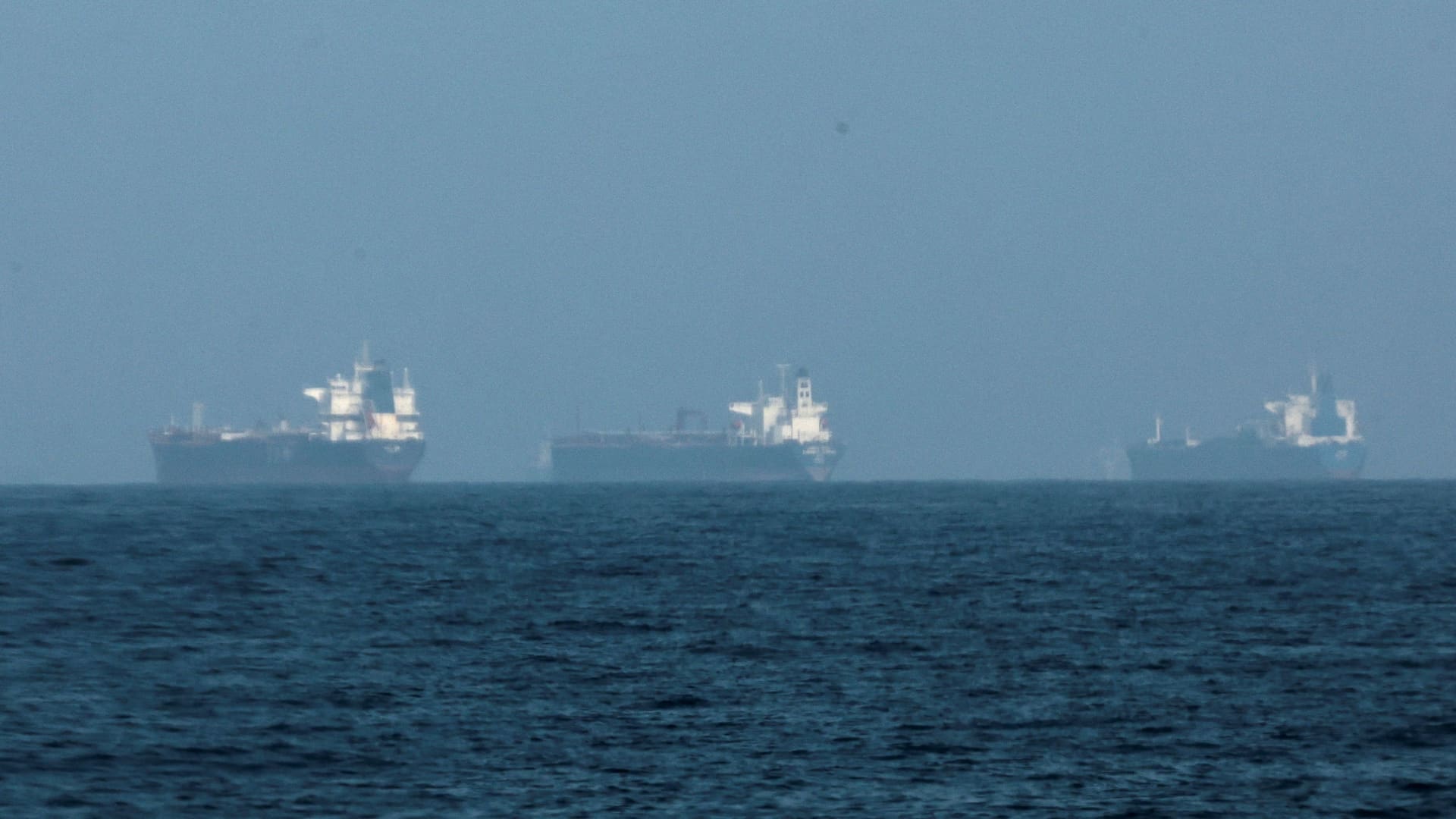
The global energy landscape is currently navigating a treacherous confluence of geopolitical shifts and evolving supply dynamics, creating a complex environment for oil and gas investors. A recent pivotal development saw Washington D.C. authorize a license allowing Russian crude, previously stranded at sea, to re-enter the market. This “narrowly tailored, short-term measure,” as U.S. Treasury Secretary Scott Bessent described it, aims to stabilize energy markets without providing significant financial benefit to the Russian government. While initial reports highlighted immediate buyer interest from nations like Thailand, Japan, and India, the broader market reaction reveals a nuanced picture, demanding careful analysis from investors positioning for the coming months.
Geopolitical Headwinds Meet Shifting Supply Dynamics
The Middle East conflict continues to be a dominant force shaping market sentiment, with all signs pointing to a prolonged war that could disrupt commodity supply. Iran’s new Supreme Leader, Mojtaba Khamenei, reiterated threats to maintain the closure of the Strait of Hormuz as a “tool to pressure the enemy” in his first public statement since his appointment. Such rhetoric typically sends shockwaves through the oil market, given the Strait’s critical role as a chokepoint for global oil shipments. Furthermore, ongoing military incidents, such as the loss of a U.S. KC-135 refueling plane over Iraq during Operation Epic Fury, underscore the volatile operational environment in the region.
However, despite these persistent geopolitical tensions, the immediate market reaction to the Russian oil re-entry and ongoing conflict has been more complex than a simple upward surge. While the initial news of Khamenei’s comments did push Brent crude above $100 a barrel, a level not seen since August 2022 according to earlier observations, the market has since pulled back. This reflects a dynamic interplay between supply fears and other market forces. The willingness of nations to purchase previously sanctioned Russian crude introduces a degree of supply relief, potentially offsetting some of the risk premium from the Middle East.
Current Market Snapshot: A Pullback Amidst Volatility
As of today, Brent crude trades at $92.76 a barrel, reflecting a 0.51% decline on the day, with its price range oscillating between $92.57 and $94.21. Similarly, WTI crude stands at $89.24, down 0.48% for the session, trading within a range of $88.76 to $90.71. Gasoline prices also show a slight dip, at $3.11, down 0.64%. This current market behavior contrasts sharply with the earlier reported spike above $100 and highlights a recent shift in momentum. Our proprietary data indicates that Brent crude has actually trended downwards over the past fortnight, receding from $101.16 on April 1st to $94.09 by April 21st, translating to a $7.07 decline. This sustained pullback suggests that while geopolitical risks remain potent, the market is actively processing other factors, including the potential for increased supply from Russia and possibly a re-evaluation of demand outlooks. Investors must recognize that not all geopolitical shocks translate into sustained price increases, especially when counter-balancing supply measures or broader economic concerns are at play.
Addressing Investor Concerns: Navigating the Next Fortnight
Our investor intent data reveals a strong focus on price direction, with readers frequently asking, “what do you predict the price of oil per barrel will be by end of 2026?” and “is WTI going up or down?” These questions underscore the uncertainty pervading the market. To gain clarity, investors should closely monitor the upcoming energy calendar. The EIA Weekly Petroleum Status Reports, scheduled for April 22nd, April 29th, and May 6th, will provide crucial insights into U.S. crude inventories, refinery utilization, and demand indicators. These reports are often significant catalysts for short-term price movements and can signal underlying shifts in the supply-demand balance.
Further insights into production trends will come from the Baker Hughes Rig Count releases on April 24th and May 1st. These figures offer a real-time pulse on drilling activity and potential future supply. Looking further ahead, the EIA Short-Term Energy Outlook on May 2nd will be particularly important for longer-term price predictions, offering official forecasts that could help answer reader queries about end-of-year price targets. The ongoing tension between Middle Eastern supply risks and the newly authorized Russian crude flows will undoubtedly be a key theme in these upcoming reports, influencing investor strategies and market direction.
Investment Outlook: Balancing Risk and Opportunity
The current environment presents a challenging but potentially rewarding landscape for discerning investors. The decision to ease sanctions on Russian oil introduces a new variable, creating a tug-of-war between geopolitical supply fears and efforts to stabilize global energy prices. While buyers line up for Russian crude, the looming threat of the Strait of Hormuz closure and the persistent conflict in the Middle East ensure that a significant risk premium remains embedded in oil prices. The observed resilience of the market, where initial price spikes quickly receded, indicates that investors are not simply reacting to headlines but are evaluating the broader supply-demand picture, including the potential for increased flows from alternative sources.
For investors, this means maintaining a flexible and informed approach. Pay close attention to the unfolding geopolitical narrative, but equally scrutinize the fundamental data provided by upcoming reports. The market’s response to the Russian oil re-entry will be a critical indicator of its effectiveness in mitigating supply concerns. Furthermore, the muted reaction of gold prices to the ongoing conflict, attributed to factors like a stronger dollar and higher Treasury yields, serves as a reminder that even in times of crisis, multiple macroeconomic factors can influence commodity performance. Strategic positioning, focusing on companies with robust balance sheets and diversified assets, will be paramount in navigating this complex and volatile energy market.