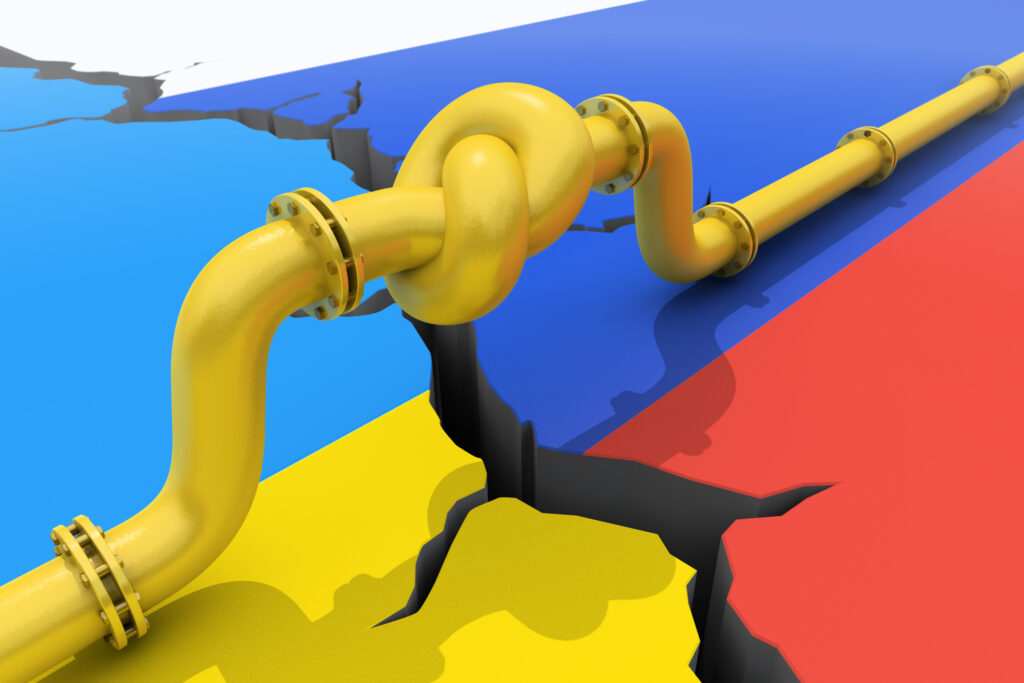
Russia’s Production Ramp-Up: A Jolt to Global Oil Supply Dynamics
Recent statements from Russian Deputy Prime Minister Alexander Novak indicate a significant shift in Russia’s oil production strategy, with output now reportedly nearing its OPEC+ quota. This development arrives at a critical juncture for global energy markets, introducing a complex layer of supply dynamics just as crude prices exhibit heightened volatility. For investors, understanding the implications of Russia’s accelerated production — alongside persistent geopolitical challenges and upcoming OPEC+ deliberations — is paramount in navigating the evolving energy landscape. Our proprietary market data reveals a dramatic short-term price correction, suggesting the market is already grappling with an influx of supply news amidst broader demand uncertainties.
Navigating Russia’s Quota Compliance Amidst Internal Pressures
Alexander Novak’s assertion that Russia is boosting its oil production close to its allocated OPEC+ ceiling signals a determined effort to meet commitments. This move follows a period where Russia’s output trailed its quota, with August figures averaging 9.173 million barrels per day (bpd), approximately 90,000 bpd below the 9.259 million bpd ceiling, which includes compensation for prior overproduction. For September, Russia’s quota, accounting for similar compensation, stands at 9.415 million bpd. Novak’s latest comments suggest September’s production levels are “close to or on roughly the same level as the quota.” This stated intent to fulfill its quota is particularly noteworthy for investors, especially given the historical challenges in accurately tracking Russian output since the invasion of Ukraine. Our proprietary reader intent data reveals a significant uptick in queries regarding current OPEC+ production quotas, underscoring investor focus on compliance and its broader market impact. However, this production push comes despite reports of intensified Ukrainian drone attacks targeting critical export and refining infrastructure within Russia, hinting at a strategic prioritization of crude exports over domestic refined product stability.
Market Reaction: Prices Plunge Amidst Shifting Supply Perceptions
The market’s immediate reaction to a potential increase in Russian supply, coupled with other macroeconomic factors, has been stark. As of today, Brent Crude trades at $90.38 per barrel, marking a substantial 9.07% decline in a single trading day, with its range spanning $86.08 to $98.97. Similarly, WTI Crude has fallen to $82.59 per barrel, down 9.41% from its previous close, trading within a range of $78.97 to $90.34. This sharp daily correction follows a broader trend; our proprietary 14-day Brent trend data shows a significant drop of nearly 20%, falling from $112.78 on March 30th to today’s $90.38. Such pronounced downward pressure on prices indicates that the market is acutely sensitive to any signals of increased supply, especially when demand growth projections might be moderating or uncertainties prevail. The prospect of Russia consistently pumping closer to its ceiling could exacerbate supply-side pressures, potentially limiting upward price momentum in the near term and forcing investors to recalibrate their outlooks for crude benchmarks.
Geopolitical Headwinds and Domestic Fuel Squeeze
While Russia aims to boost crude output, its energy sector simultaneously grapples with significant internal challenges, creating a paradoxical scenario for global refined product markets. Reports indicate that intensified Ukrainian drone attacks have inflicted damage on critical export and port infrastructure, with state pipeline firm Transneft reportedly warning producers of potential volume reductions on its system. More critically, Russia has extended its ban on gasoline exports and introduced a new ban on non-producers exporting diesel until the end of the year. Our proprietary data on refined product prices shows gasoline currently at $2.93, down 5.18% in a single day, reflecting broader market dynamics but also highlighting the internal market stresses Russia faces. These export restrictions are a direct consequence of emerging domestic fuel shortages, attributed to the damage sustained by at least 10 Russian refineries targeted by drones. For investors, this creates a fascinating divergence: an increase in crude oil availability from Russia may be offset by constrained refined product supply, potentially tightening global product markets even as crude benchmarks soften. This dual dynamic requires a nuanced investment approach, differentiating between crude and product plays.
Forward Outlook: OPEC+ Meetings and Persistent Volatility
The coming weeks will be crucial in shaping the trajectory of oil markets, with Russia’s stated production increase likely to be a central topic of discussion. The OPEC+ Joint Ministerial Monitoring Committee (JMMC) Meeting is scheduled for April 19th, followed immediately by the full OPEC+ Ministerial Meeting on April 20th. These gatherings will provide a vital platform for members to assess market conditions and, potentially, recalibrate collective production policy in light of Russia’s recent output ramp-up and the broader market downturn. Investors will be keenly observing for any signals regarding future quotas or adherence levels. Furthermore, the regular cadence of supply-demand indicators, including the API Weekly Crude Inventory reports on April 21st and 28th, and the EIA Weekly Petroleum Status Reports on April 22nd and 29th, will offer ongoing insights into market balances. Our readers frequently inquire about the trajectory of oil prices by the end of 2026, a question that underscores the long-term uncertainty. While short-term volatility is evident, Russia’s production decisions, coupled with global demand trends, geopolitical stability, and OPEC+’s adaptive strategy, will be pivotal in shaping the long-term outlook. Strategic investors should remain agile, focusing on companies with robust balance sheets and diversified assets to navigate this complex and dynamic energy investment landscape.