The global energy landscape is constantly shifting, but few developments capture investor attention like the re-opening of a major oil-producing nation. Spanish energy giant Repsol has just secured critical clearance from the US Treasury’s Office of Foreign Assets Control (OFAC) to significantly ramp up its operations in Venezuela. This pivotal decision paves the way for Repsol to potentially triple its Venezuelan oil production within three years, with an ambitious target of over 50% growth in gross output in the next 12 months alone. This move, coming amidst a complex geopolitical backdrop and a volatile oil market, presents both substantial opportunities and unique challenges for Repsol and the broader oil and gas investment community.
Repsol’s Bold Venezuelan Re-Entry: A Growth Catalyst?
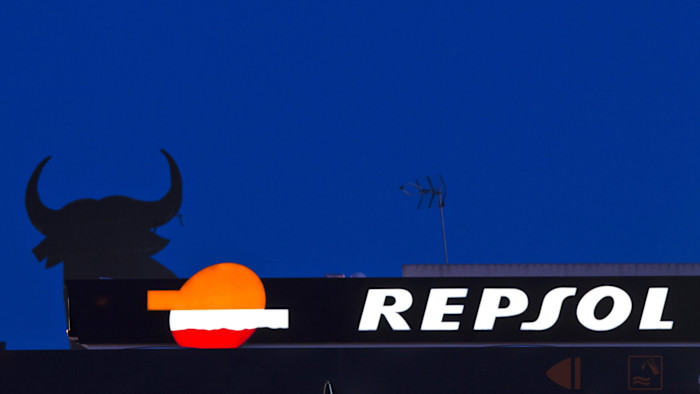
Repsol’s commitment to Venezuela signals a significant strategic shift, distinguishing it from several other majors who have expressed reservations about the nation’s investment climate. With a target to multiply production by three within three years, building on last year’s 71,300 barrels of oil equivalent per day (boe/d) in Venezuela (up from 67,000 boe/d the prior year), the company is clearly betting on long-term stability and profitability. This aggressive expansion plan, directly supported by the US administration’s push to inject investment into Venezuela following recent political changes, positions Repsol as a frontrunner in the country’s oil sector resurgence. The immediate market reaction was positive, with Repsol shares closing up 2.9% to €18.14, suggesting investor confidence in the strategic value of this renewed engagement. As our proprietary reader intent data indicates, investors are closely watching Repsol’s performance, with questions like “How well do you think Repsol will end in April 2026” highlighting the acute interest in the near-term impact of such a substantial move.
Market Dynamics and Venezuela’s Supply Potential
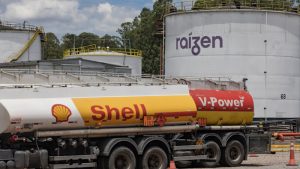
Repsol’s expanded Venezuelan operations arrive at a fascinating juncture for global oil markets. As of today, Brent Crude trades at $93.86, showing a robust 3.79% gain, while WTI Crude stands at $90.63, up 3.67%. These daily increases are notable, yet they follow a period of significant volatility; the 14-day trend for Brent shows a nearly 20% decline, dropping from $118.35 on March 31st to $94.86 on April 20th. This backdrop underscores the market’s sensitivity to supply-side developments. Venezuela, boasting the world’s largest proven oil reserves, represents a colossal untapped potential. The US Energy Secretary’s projection of a 30% to 40% increase in Venezuela’s total oil production this year highlights the broader ambition to bring more crude to market. For investors asking about the trajectory of oil prices, a significant and sustained increase in Venezuelan output, driven by players like Repsol, BP, Chevron, Eni, and Shell, could introduce a crucial balancing force in global supply, potentially moderating prices over the medium to long term, even as current prices rebound.
Financial Recovery and Shareholder Value
Beyond production targets, Repsol’s renewed Venezuelan activities carry significant financial implications. The Spanish energy group is owed a substantial €4.55 billion by Venezuela for gas supplied for power generation, a debt that was jeopardized by previous US sanctions but is now expected to see payments resume. This financial recovery, coupled with increased oil and gas output, could materially improve Repsol’s balance sheet and cash flow. Despite a 15% reduction in adjusted net income to €2.6 billion for 2025, Repsol is demonstrating confidence in its future outlook. The company expects to return €1.9 billion to shareholders in 2026, an increase from approximately €1.8 billion last year. This commitment to enhanced shareholder returns, at a time when some other oil majors are scaling back buybacks, serves as a strong signal of management’s optimism regarding its strategic direction, including the Venezuelan ventures. For investors focused on capital allocation, Repsol’s strategy offers a compelling narrative of growth and value return.
Navigating Future Events and Geopolitical Risks
The path forward for Repsol’s Venezuelan aspirations, and indeed for the broader oil market, will be shaped by a series of upcoming events and ongoing geopolitical dynamics. Investors are keenly focused on the immediate trajectory of WTI and Brent prices, underscoring the relevance of near-term market catalysts. The OPEC+ Joint Ministerial Monitoring Committee (JMMC) Meeting, scheduled for April 21st, will be critical in signaling potential supply policy shifts. Subsequent data points, such as the EIA Weekly Petroleum Status Reports on April 22nd and 29th, and the Baker Hughes Rig Counts on April 24th and May 1st, will offer fresh insights into supply-demand balances and drilling activity. Furthermore, the EIA Short-Term Energy Outlook on May 2nd will provide updated forecasts that could influence market sentiment for the remainder of 2026. While Repsol’s direct permission from the US Treasury reduces immediate operational risk, the long-term stability of investment in Venezuela remains subject to political evolution and potential shifts in US policy. Investors must weigh the immense resource potential against the inherent geopolitical complexities of operating in a nation still navigating significant political transitions.