The global scramble for critical elements, particularly rare earth metals, has escalated into a defining geopolitical flashpoint. As major powers intensify their competition for technological and economic supremacy, the foundational materials embedded in everything from consumer electronics to advanced military hardware have become strategic assets. This critical dependence, especially on concentrated supply chains, is driving a profound re-evaluation of how industries source these vital components. While traditional mining remains central, a powerful alternative is rapidly gaining traction: the strategic investment in and scaling of e-waste recycling. This isn’t just an environmental initiative; it’s a national security imperative and a burgeoning investment opportunity that fundamentally reshapes the resource landscape.
The Geopolitical Imperative: Securing Critical Materials Supply Chains
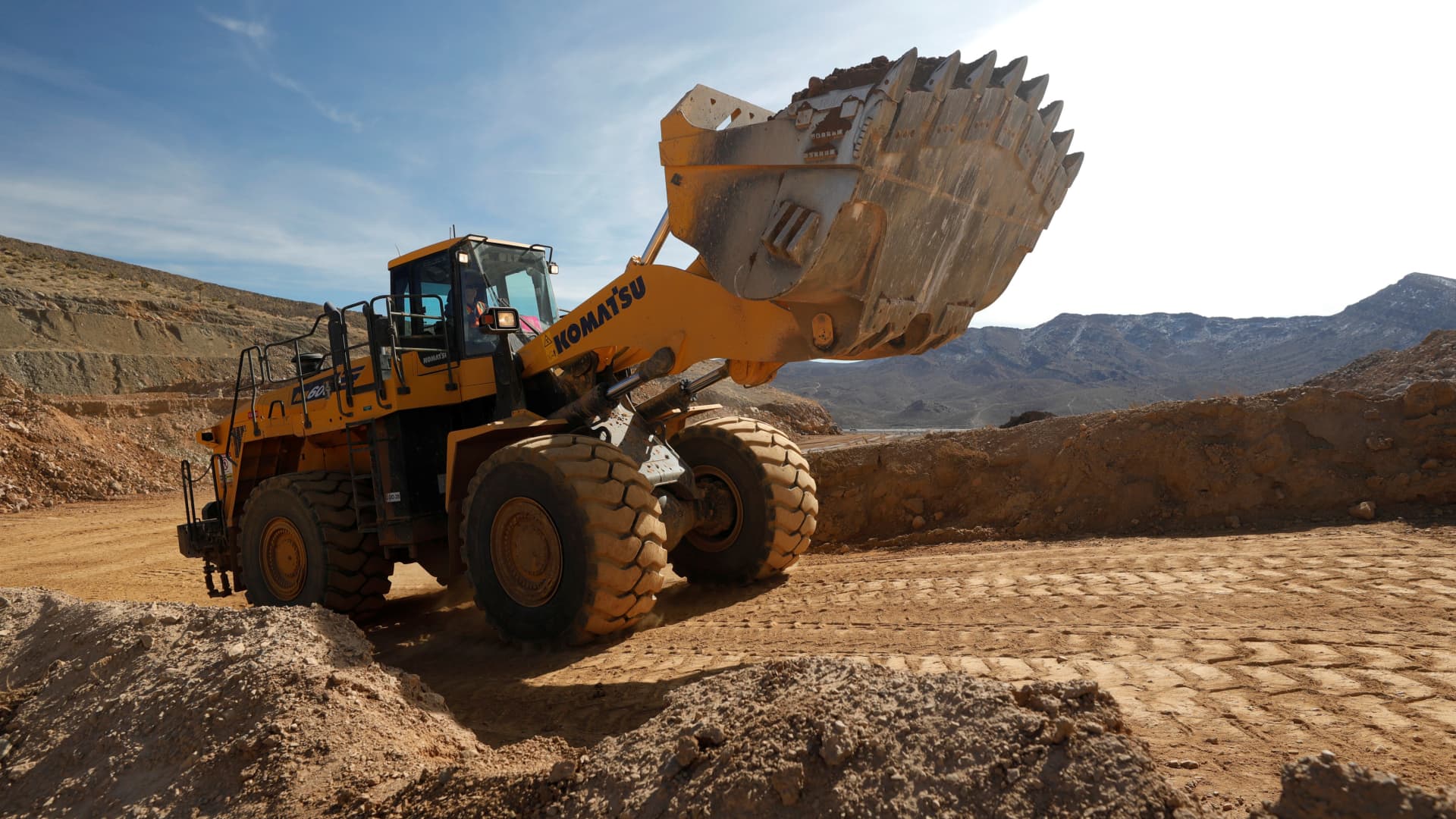
The intensifying rivalry between major global economic blocs has laid bare the vulnerabilities inherent in complex supply chains for critical elements. Rare earth metals stand at the epicenter of this struggle, given their indispensable role in modern technology, from the magnets in electric vehicles and wind turbines to advanced defense systems. The recent equity stake taken by the Department of Defense in MP Materials, the sole rare earths mining operation in the U.S., serves as a stark illustration of the urgent drive to onshore and secure these vital resources. This move underscores a broader strategic pivot away from an over-reliance on external, often politically volatile, sources. For investors, this translates into a clear signal: the security of supply for elements like neodymium, praseodymium, terbium, and dysprosium is now a top-tier national priority, paving the way for significant government and private sector capital deployment into domestic alternatives, including innovative recycling ventures.
E-Waste: The New Urban Mine for the Energy Transition
Beyond traditional extraction, a vast “urban mine” of critical materials lies in the world’s burgeoning volume of electronic waste. This isn’t merely about collecting discarded consumer items; it encompasses end-of-life computers, smartphones, servers, medical devices, and, increasingly, the foundational components of the energy transition itself: spent EV batteries, wind turbine components, and solar panels. These complex waste streams contain not only precious metals like gold, silver, and copper, but also industrial staples such as nickel, steel, and aluminum, alongside crucial battery minerals like lithium and cobalt. Crucially, they are also rich repositories of rare earth elements. Experts note that “recycling of e-waste hasn’t been taken too seriously until recently” as a meaningful source of supply, with many still “sleeping at the wheel” regarding its immense potential. This emerging sector, driven by next-generation recyclers, offers a potent solution to feed the “insatiable electrification of everything” by transforming what was once waste into a strategic domestic resource, thereby mitigating geopolitical supply risks.
Market Dynamics and Investor Focus on Supply Chain Resilience
Even as the investment landscape broadens to embrace critical materials, the broader energy sector remains a foundational consideration for industrial investors. As of today, Brent Crude trades at $94.93, reflecting a modest daily gain of 0.15% within a range of $91 to $96.89. This follows a notable decline from $102.22 on March 25th to $93.22 yesterday, highlighting the ongoing volatility in traditional energy benchmarks. Such fluctuations underscore the dynamic economic environment influencing capital allocation across all raw materials, including those essential for the energy transition. The stability and cost of energy are vital for scaling the energy-intensive industrial recycling processes required to extract valuable elements from e-waste. While our readers are keenly focused on traditional energy metrics, frequently asking questions such as ‘What is the consensus 2026 Brent forecast?’ and ‘How are Chinese tea-pot refineries running this quarter?’, there’s an undeniable parallel shift in investor attention towards the foundational elements of the new energy economy. The strategic push for self-sufficiency in critical materials, driven by geopolitical tensions, represents a significant, albeit newer, investment thesis for long-term portfolio diversification beyond conventional oil and gas.
Forward-Looking Opportunities and Catalysts in Recycling Innovation
The next two weeks will bring a flurry of data and meetings influencing traditional energy markets, including the Baker Hughes Rig Count on April 17th and 24th, followed by the critical OPEC+ JMMC and Full Ministerial meetings on April 18th and 20th respectively. These events will undoubtedly shape short-term crude price trajectories and refining margins. However, for investors with a longer horizon, these traditional market signals also provide a backdrop against which to assess the accelerating pivot towards new energy value chains. The capital required for scaling e-waste recycling, for instance, is influenced by the broader availability of capital and investor confidence, which are indirectly impacted by the stability and outlook of the core energy sector. The emergence of next-generation recyclers, a mix of established legacy companies and innovative startups, signals a maturing industry poised for significant growth. These entities are not just collecting; they are developing cutting-edge methods to efficiently gather and process the ever-growing mountains of electronic waste, extracting a full spectrum of critical elements. This rapidly evolving sector, backed by strategic national interests and increasing environmental mandates, presents compelling long-term investment opportunities driven by a confluence of technological advancement, geopolitical necessity, and the undeniable march towards global electrification.
Investing in the Circular Economy of Critical Elements
The confluence of geopolitical tension, technological advancement, and the imperative for supply chain resilience has elevated e-waste recycling from a niche environmental concern to a strategic economic and national security priority. What was once discarded is now being viewed as a vital domestic resource, capable of supplying elements crucial for the future of technology, energy, and defense. Investors looking to capitalize on the foundational shifts occurring within the global economy should recognize the profound potential in companies that are innovating in this space. The move towards a circular economy for critical elements is not merely an aspiration; it is rapidly becoming an economic necessity, offering robust, long-term growth prospects for those willing to invest in the infrastructure and ingenuity required to unlock the value hidden in our digital waste streams.