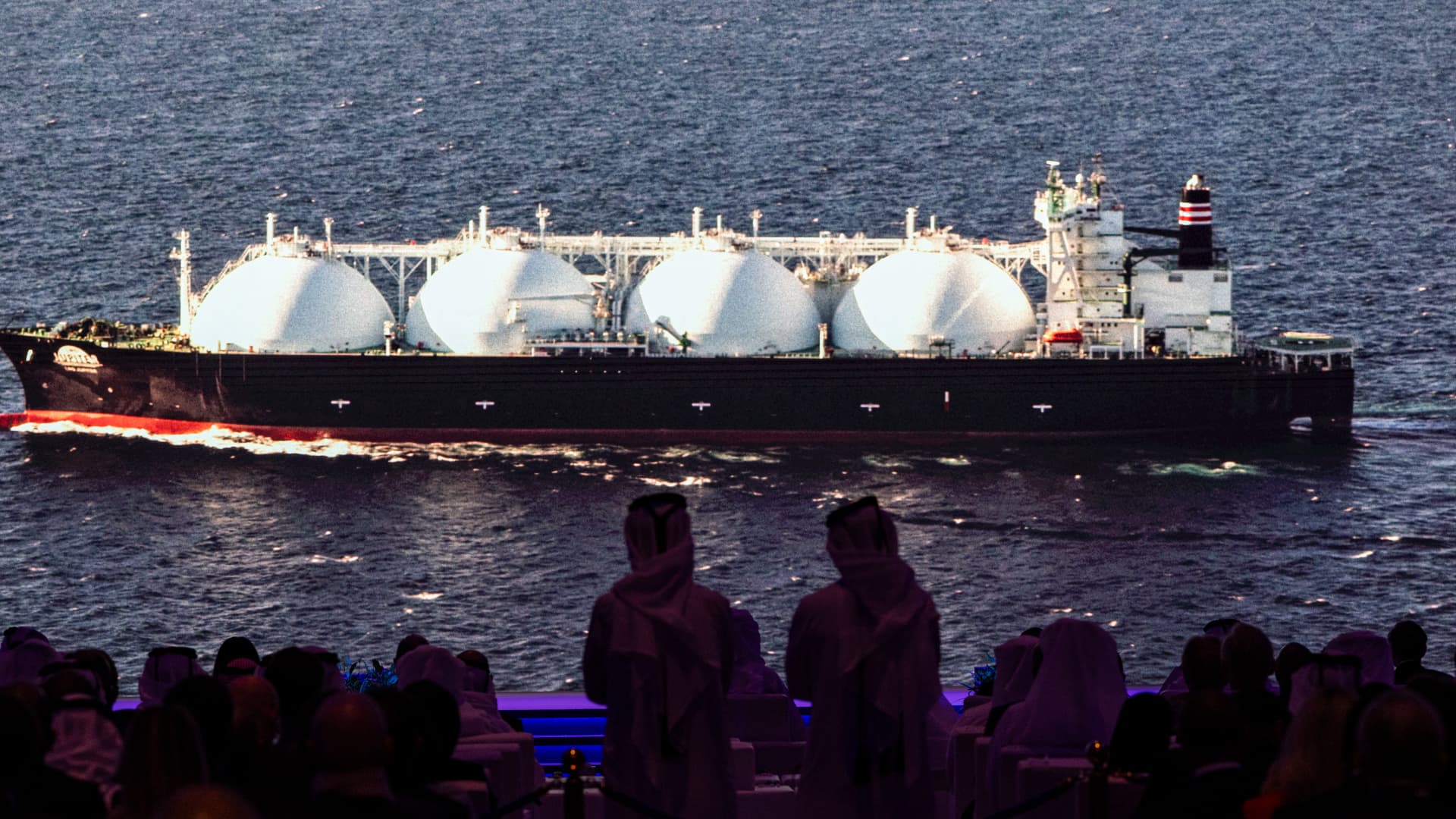
The global energy landscape was abruptly recalibrated this week as QatarEnergy announced a complete halt to liquefied natural gas (LNG) production following drone attacks on its critical industrial facilities. This development immediately throws a spotlight on the fragility of global energy supply chains and the escalating geopolitical risks in the Middle East. As the world’s largest LNG exporter, Qatar’s sudden offline status represents a significant blow to an already tight global gas market, promising ripple effects far beyond immediate price fluctuations. For investors, understanding the multifaceted implications of this supply shock, from crude oil dynamics to future gas contracts, is paramount.
Immediate Supply Shock and Market Repercussions
The cessation of LNG production at Qatar’s Ras Laffan and Mesaieed Industrial Cities, two pillars of global gas liquefaction, constitutes an undeniable supply shock. Our internal analysis, corroborating broader industry data, indicates that approximately 20% of global LNG exports originate from the Gulf region, with Qatar as the principal producer. The majority of this vital energy cargo transits the critical Strait of Hormuz, underscoring the regional vulnerability. The market’s initial reaction was swift and decisive for companies directly exposed to LNG trade. Shares of U.S. LNG pure-plays, such as Cheniere and Venture Global, saw substantial premarket gains, reflecting expectations of increased demand for alternative supply sources and a potential surge in spot LNG prices. While specific LNG price data isn’t directly within our real-time crude and refined product feed, the immediate equity market response clearly signals an anticipated uplift for competing producers. This event unequivocally highlights the strategic importance of diversified LNG sourcing and the inherent risks tied to concentrated production hubs.
Escalating Geopolitical Risks and Energy Security
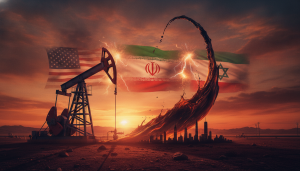
The attacks on Qatari facilities, attributed by Qatar’s Defense Ministry to drones launched from Iran, mark a dangerous escalation in regional tensions. These strikes follow a pattern of Iranian retaliation against U.S. allies in the Gulf, signaling a worrying expansion of conflict to critical energy infrastructure. The targeting of Ras Laffan and Mesaieed, key nodes in global energy supply, transforms abstract geopolitical friction into tangible supply disruption. This development significantly elevates the geopolitical risk premium across all energy commodities originating from the Middle East. Beyond LNG, the incident raises concerns about the security of crude oil shipments through the Strait of Hormuz, a choke point through which a substantial portion of the world’s oil supply passes daily. Investors must now factor in a higher probability of similar, or even more severe, disruptions, demanding a re-evaluation of regional exposure and hedging strategies against unforeseen events.
Crude Market Dynamics Amidst LNG Turmoil
While the LNG market grapples with an immediate and substantial supply cut, the impact on crude oil prices has been somewhat more nuanced. As of today, Brent Crude trades at $93.83, up 0.63%, within a daily range of $93.52-$94.21. WTI Crude stands at $90.43, registering a 0.85% gain, with its daily range between $89.71-$90.7. These modest increases, while reflective of an elevated risk premium, do not mirror the dramatic shifts seen in LNG-related equities. This relative resilience in crude prices can be partly attributed to the fact that the crude market had already witnessed significant volatility preceding this event; our 14-day Brent trend data shows a notable decline from $118.35 on March 31st to $94.86 on April 20th. This prior softening suggests that other demand-side or macroeconomic concerns might have been exerting downward pressure, somewhat dampening the immediate upward thrust from the Qatari news. However, the direct threat to the Strait of Hormuz inherently links crude security to this LNG crisis, meaning sustained geopolitical tension will likely keep crude prices underpinned at higher levels than fundamental supply-demand balances alone might suggest.
Navigating Future Uncertainty: Key Dates for Investors
For investors seeking to understand the trajectory of energy markets in the wake of the Qatari halt, several upcoming calendar events will provide critical insights and potential catalysts. The OPEC+ Joint Ministerial Monitoring Committee (JMMC) Meeting on April 21st, though primarily focused on crude production quotas, will be closely watched for any commentary on regional stability and its impact on global supply discipline. The subsequent EIA Weekly Petroleum Status Reports on April 22nd and April 29th, alongside the API Weekly Crude Inventory data on April 28th and May 5th, will offer crucial updates on U.S. inventory levels and refinery activity, providing a clearer picture of demand and domestic supply capabilities against the backdrop of international instability. Furthermore, the Baker Hughes Rig Count on April 24th and May 1st will indicate North American production trends. Perhaps most critically, the EIA Short-Term Energy Outlook on May 2nd will provide updated forecasts, potentially incorporating the implications of the Qatari LNG disruption and the broader geopolitical environment. These events collectively form a roadmap for assessing market sentiment and supply-demand fundamentals over the next two weeks.
Investor Concerns: What’s Next for Energy Prices?
The market’s primary concern, reflected in numerous inquiries through our proprietary intent data, centers on the future direction of oil and gas prices. Investors are keenly watching for signs of sustained volatility and potential for significant upward movement. Questions regarding whether WTI will trend up or down, and predictions for the price of oil per barrel by the end of 2026, highlight the deep uncertainty. Our analysis suggests that the Qatari LNG halt, while a direct gas market event, significantly amplifies the geopolitical risk premium across the entire energy complex. The widening scope of conflict in the Gulf means that all regional energy flows, including crude, are now subject to higher risk. While global LNG supply will face immediate tightening and likely higher prices, crude oil’s trajectory will be a complex interplay of this new geopolitical reality, existing demand concerns, and OPEC+ policy. Near-term, expect elevated volatility and a strong upward bias driven by risk premiums. Longer-term forecasts will increasingly hinge on the de-escalation of regional tensions or, conversely, the entrenchment of a higher-risk operating environment for Middle Eastern energy producers. Investors should brace for a period of heightened uncertainty and consider strategies that account for sustained geopolitical risk.