Unlocking Value: Why Human Capital is the Ultimate ROI Driver in Energy Tech
The global oil and gas industry is currently channeling unprecedented capital into advanced digital technologies, seeking to modernize its vast and intricate supply chains. From sophisticated generative artificial intelligence and cutting-edge hyper-automation to granular data analytics platforms, the sector’s commitment to technological innovation is undeniable. Yet, a critical vulnerability often undermines these ambitious digital transformation initiatives: a systemic underinvestment in the very people tasked with operating these tools.
Recent analyses from industry experts highlight this concerning trend, revealing that a staggering 60% of digital adoption programs within supply chains are projected to fall short of their anticipated value by 2028. The primary culprit? An inadequate commitment to robust learning and development (L&D) strategies. For astute investors scrutinizing the energy sector, this insight is paramount. The true return on substantial technology expenditures hinges less on the innovative power of the solutions themselves and more on the workforce’s proficiency in harnessing their full potential.
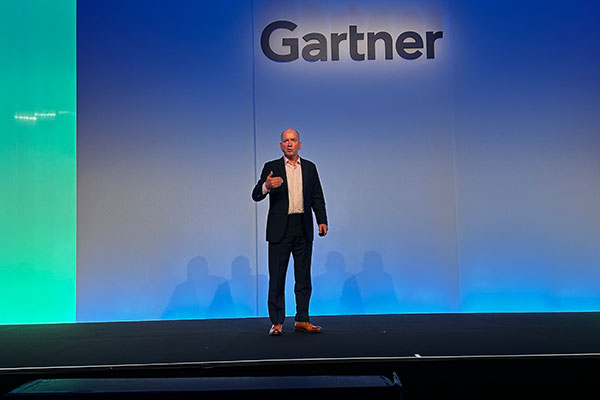
A prominent industry analyst, addressing a recent supply chain symposium, delivered a stark warning to senior supply chain executives. He emphasized the imperative for Chief Supply Chain Officers (CSCOs) to actively ensure their teams are not merely furnished with new digital instruments but are also comprehensively trained and supported to leverage these capabilities to their maximum extent. Without this dedicated focus on human enablement, the long-promised cost efficiencies and productivity gains from these technologies remain elusive, directly impacting shareholder value and eroding operational resilience.
The Productivity Paradox: Tech Deployed, Value Undelivered
Contemporary survey data, encompassing perspectives from nearly 600 supply chain professionals, vividly illustrates this fundamental disconnect. While the deployment of state-of-the-art technologies continues to accelerate across the energy landscape, the resulting productivity enhancements frequently remain isolated. Often, these benefits are confined to individual or desk-based roles, failing to permeate broader team performance or deliver tangible improvements at the operational frontlines. This gap presents a particularly acute challenge for the oil and gas sector, where complex, frequently remote, operational environments necessitate integrated, team-centric efficiencies for meaningful impact.
This critical shortfall underscores an urgent necessity for learning strategies to evolve at an accelerated pace, mirroring the rapid advancements in digital tooling. Traditional, often static, training models simply cannot keep pace with the dynamic nature of modern technology. The analyst cautioned that by 2028, oil and gas supply chain organizations that neglect to modernize their learning and development frameworks will realize only a fraction of the value from their otherwise promising digital investments. For investors, this translates directly into an elevated risk to expected returns and a potential drag on competitive advantage in an increasingly data-driven and technology-reliant market.
CSCOs: Architects of a Future-Ready Workforce
Bridging the widening digital skills gap demands decisive and visionary leadership. Industry experts advocate for CSCOs within the oil and gas sector to forge robust, strategic alliances with human resources teams. This collaboration is crucial for designing and implementing forward-thinking learning strategies that are as agile and innovative as the technologies being deployed. The focus must shift from reactive, ad-hoc training to proactive, continuous skill development that anticipates future technological shifts and operational demands.
Effective human capital investment transcends basic software tutorials. It encompasses cultivating a deep understanding of new data analytics techniques, fostering critical thinking around AI-driven insights, and embedding a culture of digital fluency across all organizational tiers. This strategic approach ensures that the workforce can adapt to new workflows, interpret complex data outputs, and make informed decisions that optimize supply chain performance. For investors, a company’s commitment to comprehensive, ongoing L&D is a powerful indicator of its long-term potential for sustained profitability and its ability to truly capitalize on its technological expenditures.
Investor Due Diligence: Beyond the Tech Stack
As capital continues to pour into digital transformation, investors must expand their due diligence beyond merely assessing the sophistication of a company’s technology stack. A critical lens should now be applied to the human element: What is the organization’s strategy for upskilling its workforce? How are CSCOs collaborating with HR to ensure seamless adoption and maximization of new tools? Are productivity gains observed at individual levels translating into tangible, systemic improvements across teams and operational sites?
Companies that prioritize human capital development alongside technological deployment will be the ones that truly unlock the promised value of digital transformation. They will be more resilient, agile, and ultimately, more profitable. Conversely, those that neglect this vital component risk seeing their substantial technology investments become costly white elephants, delivering suboptimal returns and squandering opportunities for competitive differentiation. In the evolving energy landscape, the smartest investment isn’t just in the latest tech; it’s in the people who bring it to life.
The message is clear for the oil and gas industry and its investors: the future of competitive advantage and superior ROI in digital supply chains rests not solely on the innovation of the technology, but fundamentally on the strategic empowerment and continuous development of the human workforce.