The energy sector is buzzing with renewed optimism as long-stalled discussions on federal energy permitting reform have officially thawed. This pivotal development, centered in the U.S. Senate, signals a potential breakthrough for both traditional oil and gas infrastructure and the rapidly expanding renewable energy landscape. For investors, this isn’t just political theater; it represents a significant de-risking factor and a potential accelerant for project development across the American energy complex. As the dialogue between key Senate figures gains traction, the prospect of streamlining approvals could unlock substantial value and reshape investment strategies in the coming years.
Permitting Reform: A Return to the Table
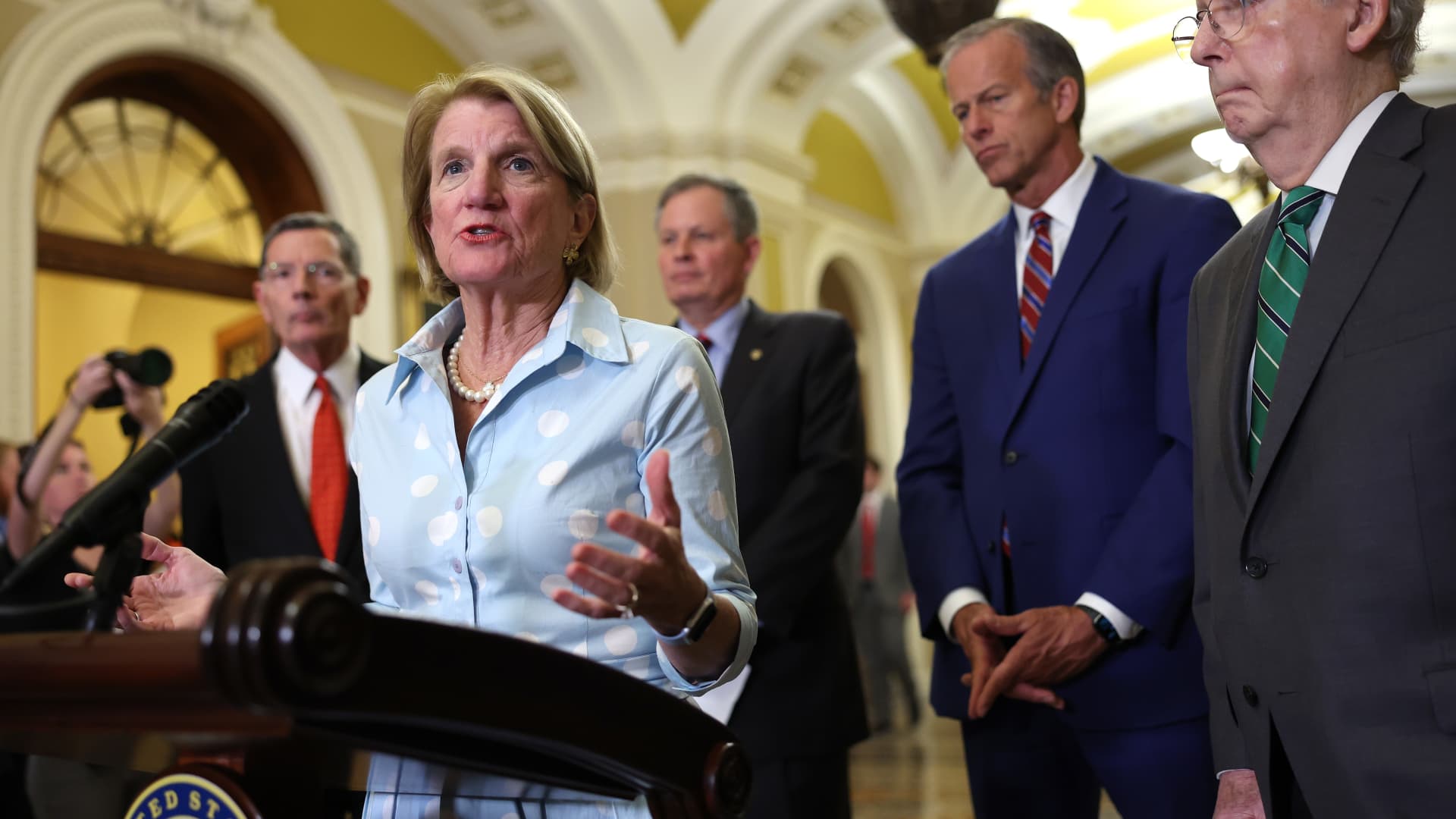
After a period of gridlock, the federal energy permitting process is once again a focal point on Capitol Hill. Senator Shelley Moore Capito (R-WV), Chair of the Senate Environment and Public Works Committee, and ranking Democrat Senator Sheldon Whitehouse (D-RI) have resumed discussions aimed at overhauling the system. This revival of bipartisan engagement, confirmed by American Petroleum Institute president Mike Sommers, is a critical step forward. Sommers noted in June 2023 that both senators, who bear primary responsibility for this legislative area, were finally meeting to discuss how to push reform through this year. Sources close to the negotiations indicated a commitment to frequent discussions, highlighting the renewed urgency.
The path to reform has been fraught with challenges. Previous bipartisan efforts collapsed, most notably at the end of the last Congress. Democrats had previously stepped away from talks following a Trump administration directive that halted fully permitted offshore wind projects. However, recent developments, signaling a more positive direction, have encouraged their return to the negotiating table. This renewed engagement suggests a shared political imperative to address rising energy costs and bolster infrastructure, creating a more predictable environment for capital deployment in energy projects.
Navigating Current Market Dynamics Amidst Policy Shifts
The backdrop for these renewed permitting talks is a dynamic energy market, closely watched by investors. As of today, April 22nd, Brent crude trades at $92.89 per barrel, reflecting a marginal dip of 0.38% within a daily range of $92.57 to $94.21. WTI crude follows a similar trajectory, priced at $89.51 per barrel, down 0.18% for the day. This current snapshot shows a slight pullback, but the broader trend indicates a recent softening from higher levels. Our proprietary data reveals Brent crude has trended down over the past two weeks, moving from $101.16 on April 1st to $94.09 on April 21st, a notable decrease of $7.07 or 7%. Gasoline prices also reflect this, standing at $3.11 today, down 0.64%.
While the immediate market movements are influenced by a multitude of factors, the progress on permitting reform could serve as a significant long-term catalyst, providing supply-side confidence. Easing regulatory hurdles could translate into faster project development for both oil and gas and renewable energy infrastructure, potentially stabilizing future supply. For investors currently grappling with the question of whether WTI is “going up or down,” as reflected in our reader intent data, successful permitting reform introduces a fundamental factor that could influence long-term supply projections and, consequently, price stability. A more efficient permitting process could mitigate future supply shocks, offering a more predictable investment landscape.
The Economic Imperative: Powering Growth and Tackling Affordability
The push for permitting reform extends beyond the traditional oil and gas sector, driven by a broader economic imperative. The tech industry, in particular, is a vocal proponent, seeking to accelerate the buildout of energy infrastructure to power its rapidly expanding and energy-hungry data centers. This burgeoning demand, coupled with existing strain, has contributed to escalating energy costs. Lawmakers are increasingly recognizing that streamlining energy infrastructure development is a key strategy to tackle affordability concerns for consumers and businesses alike.
Permitting reform has become a comprehensive term encompassing various legislative proposals designed to cut red tape and expedite approvals for all forms of energy infrastructure. Any successful bipartisan agreement would likely entail modifications to longstanding environmental laws, alongside accelerated approval processes for both fossil fuel and renewable projects. While the House previously passed its own permitting bill, the SPEED Act, aimed at blunting the National Environmental Policy Act (NEPA), the Senate is charting its independent course. The renewed talks underscore the growing consensus that a more efficient permitting regime is essential to meet America’s escalating energy demands and maintain economic competitiveness.
Forward Outlook: Upcoming Catalysts and Investor Concerns
As permitting reform talks advance, investors are also closely monitoring a series of upcoming energy events that will provide crucial insights into market fundamentals. Tomorrow, April 22nd, the EIA Weekly Petroleum Status Report will offer fresh data on crude inventories, refinery activity, and product supplied, which can significantly sway short-term market sentiment. This will be followed by the Baker Hughes Rig Count on April 24th, providing an indicator of drilling activity and future production trends. These recurring reports are vital for understanding the current supply-demand balance.
Looking further ahead, the API Weekly Crude Inventory report on April 28th, another EIA Weekly Petroleum Status Report on April 29th, and another Baker Hughes Rig Count on May 1st will continue to shape the narrative around supply. A key event will be the EIA Short-Term Energy Outlook on May 2nd. This report provides critical forecasts for crude oil, natural gas, and refined product prices, as well as production and consumption trends, extending well into 2026. For investors asking about the price of oil per barrel by the end of 2026, the EIA’s outlook will be a significant data point. While permitting reform’s impact is long-term, these near-term data releases will help investors calibrate their strategies and assess the immediate health of the energy market, against a backdrop of potential legislative change that could fundamentally alter the landscape for energy project development.