The Tariff Tailwind for Truck Makers: A Closer Look for Energy Investors
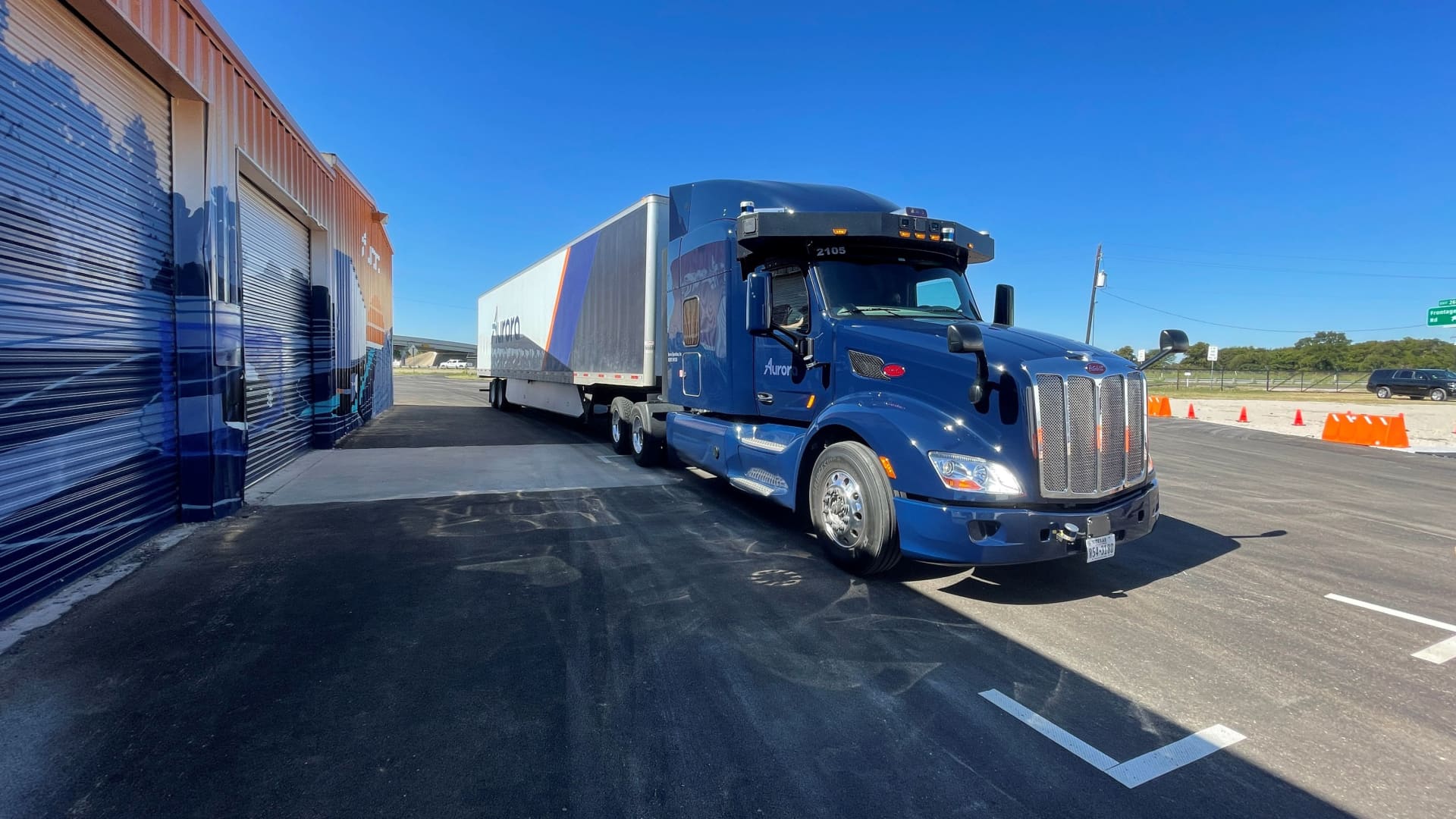
Shares of Paccar, the parent company behind iconic truck brands Peterbilt and Kenworth, saw a notable surge recently following an announcement by former President Donald Trump. The proposed 25% tariff on imported heavy trucks, set to take effect on October 1, has been positioned as a protective measure for domestic manufacturers against cheaper international competition, particularly from Mexico. While the immediate market reaction for Paccar was a jump exceeding 6% in premarket trading, savvy oil and gas investors understand that such policy shifts rarely occur in a vacuum. This development, seemingly isolated to the manufacturing sector, carries significant implications for supply chains, operational costs, and ultimately, the intricate demand dynamics within the broader energy landscape.
Protectionism’s Promise: The Micro-Impact on Domestic Trucking
The sentiment behind the proposed tariffs is clear: to level the playing field for U.S.-based heavy truck manufacturers. Paccar, for instance, produces over 90% of its U.S. trucks domestically. However, these trucks typically carry a premium of $8,000 to $10,000 compared to their Mexican-made counterparts, according to recent analyst notes. The tariff aims to mitigate this cost disadvantage, potentially placing companies like Paccar in a stronger competitive position. For oil and gas investors, this isn’t just about truck sales; it’s about the health of a critical industrial sector that underpins almost every facet of the energy value chain. From transporting drilling equipment to delivering refined products, heavy trucks are indispensable. A robust domestic trucking industry, shielded by tariffs, could theoretically stabilize or even enhance demand for diesel fuel and other petroleum products used in manufacturing and logistics. However, the costs associated with such protectionist measures often extend beyond immediate benefits.
Crude Prices Under Pressure: A Macro Backdrop to Micro Policy
The Paccar share jump occurred against a significantly bearish backdrop in the global energy markets. As of today, Brent Crude trades at $90.38 per barrel, representing a sharp 9.07% decline within the day, with its range fluctuating between $86.08 and $98.97. Similarly, WTI Crude has fallen to $82.59, down 9.41%, trading in a day range of $78.97 to $90.34. This aggressive downtrend isn’t a one-off event; Brent has shed $20.91, or 18.5%, from $112.78 on March 30 to $91.87 yesterday. Such pronounced weakness in crude prices signals broader concerns about global economic growth and potential demand destruction. Investors are actively questioning the future trajectory of oil, with many asking, “what do you predict the price of oil per barrel will be by end of 2026?” The proposed truck tariffs, while designed to stimulate domestic manufacturing, could also contribute to inflationary pressures and supply chain disruptions, potentially exacerbating the very economic slowdown that is currently weighing on oil prices. Increased costs for transportation, even if mitigated by domestic production, can ripple through industries, impacting the overall cost of goods and services, and ultimately, energy demand.
Supply Chain Resilience and Fuel Demand Implications
The tariffs on imported heavy trucks introduce a new layer of complexity to supply chain management, a topic of constant concern for our readers. Oil and gas operations, particularly exploration, production, and distribution, are heavily reliant on efficient and cost-effective logistics. If tariffs lead to higher acquisition costs for new trucks or impact the availability of specific components, it could translate into increased operational expenditures for energy companies. While the tariffs aim to bolster domestic production, the immediate impact might be a temporary period of uncertainty or higher costs as supply chains adapt. Furthermore, the overall health of the trucking sector directly correlates with diesel demand. If protectionist measures lead to an overall contraction in economic activity due to higher consumer prices or retaliatory tariffs, the positive impact on domestic truck manufacturing could be offset by a downturn in freight volumes, thereby dampening diesel consumption. This interplay of policy, economics, and fuel demand is critical for investors assessing the long-term performance of integrated energy companies and refining margins.
Navigating the Upcoming Calendar: Policy vs. Fundamentals
For oil and gas investors, the Paccar news serves as a reminder that macro policy decisions, while not directly energy-related, can significantly influence market dynamics. The immediate future holds several critical energy events that will provide further clarity on market fundamentals. This weekend, April 18-19, marks the OPEC+ Joint Ministerial Monitoring Committee (JMMC) and full Ministerial meetings. Investors are keenly awaiting signals regarding production quotas, a key question for many of our readers asking, “What are OPEC+ current production quotas?” Any decision by OPEC+ to adjust output, particularly in the context of falling crude prices, will have a profound impact. Following this, the API Weekly Crude Inventory report on April 21 and the EIA Weekly Petroleum Status Report on April 22 will offer crucial insights into U.S. supply levels and demand indicators, providing an immediate pulse check on the market. These fundamental drivers will largely dictate price action in the near term, but the underlying economic currents, shaped by policies like the proposed truck tariffs, will continue to influence the demand side of the equation. As we approach these events, investors must weigh the potential for supply adjustments against the ongoing macroeconomic uncertainty and the ripple effects of protectionist trade policies.
Investor Takeaways: Beyond the Immediate Headline
The Paccar share rally underscores the immediate, often localized, positive reaction to protectionist policies for specific industries. However, for oil and gas investors, a more nuanced perspective is essential. While tariffs might support domestic truck manufacturing, the broader economic consequences – potential inflation, supply chain adjustments, and dampened overall growth – could create headwinds for energy demand. The current market snapshot, with Brent and WTI crude experiencing significant daily and fortnightly declines, suggests that broader economic concerns are already dominating sentiment. As we monitor upcoming OPEC+ decisions and weekly inventory reports, it is crucial to consider how shifts in trade policy could indirectly impact the demand trajectory for petroleum products. Investors seeking to understand how companies like Repsol might perform by the end of April 2026, or to predict future oil prices, must integrate these seemingly disparate micro and macro factors into their analysis. The interplay of political decisions, economic health, and fundamental supply-demand dynamics will continue to define the investment landscape in the energy sector.