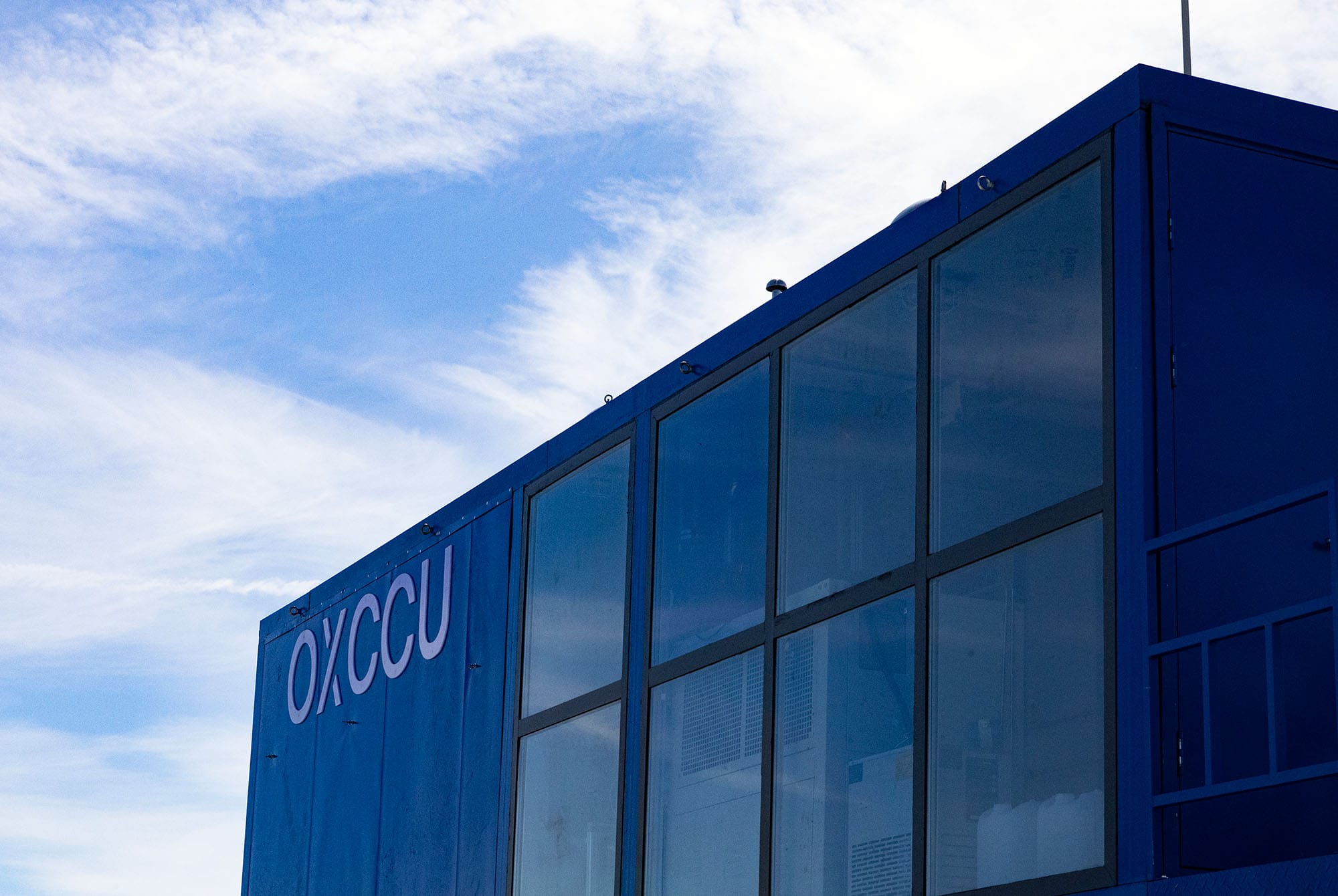
The global energy landscape continues its dynamic shift, with significant capital flowing into solutions designed to decarbonize hard-to-abate sectors. A recent and compelling example is OXCCU, an Oxford University spin-out, securing $28 million in an oversubscribed Series B funding round. This substantial investment is not merely a financial transaction; it represents a powerful industry endorsement of a technology poised to revolutionize sustainable aviation fuel (SAF) production. For investors keenly watching the energy transition, this funding round signals a critical milestone in the journey towards economically viable green jet fuel, underlining the growing urgency and strategic commitment from airlines, aerospace giants, and integrated energy companies alike.
The Strategic Imperative of Sustainable Aviation Fuel Investment
Aviation’s contribution to global greenhouse gas emissions, estimated at 2-3%, necessitates innovative and scalable solutions. Current SAF supply remains critically low, accounting for less than 0.2% of global jet fuel, a stark contrast to tightening regulatory mandates in key markets like the EU and UK. OXCCU’s $28 million Series B funding directly addresses this supply-demand chasm, attracting a diverse consortium of investors including new participants like International Airlines Group’s IAGi Ventures, Safran Corporate Ventures, and Orlen VC, alongside existing backers such as Aramco Ventures and Eni Next. This strategic alignment underscores a collective industry recognition that developing next-generation, cost-effective fuels is non-negotiable for achieving net-zero targets. For instance, IAG, a major European airline group, explicitly links this investment to its ambitious goal of meeting 10% of its fuel needs with SAF by 2030. Similarly, Orlen VC’s participation reflects its strategic drive to become a leading SAF producer in Europe by 2035, highlighting how traditional energy players are actively transforming their portfolios towards carbon neutrality. This isn’t just about environmental responsibility; it’s about securing future competitive advantage in a carbon-constrained world.
OXCCU’s Cost-Competitive Edge Amidst Market Volatility
The primary barrier to widespread SAF adoption has historically been its high production cost. OXCCU’s patented iron-based catalyst technology offers a potential breakthrough by directly converting waste carbon gases and hydrogen into jet-range hydrocarbons through a single, exothermic reaction. This simplified, multi-step bypassing process promises to significantly reduce both capital expenditures and operating costs, making SAF production more economically viable. The company’s progress is tangible, with its OX1 demonstration plant operational at London Oxford Airport since 2024, and a larger OX2 facility anticipated to be online by 2026. This technological advancement is particularly pertinent in the current market environment. As of today, Brent Crude trades at $90.38, down a significant 9.07% within a day range of $86.08 to $98.97. WTI Crude also saw a sharp decline, now at $82.59, down 9.41% from a daily high of $90.34. Gasoline prices reflect this trend, currently at $2.93, a 5.18% drop. This volatility, underscored by the 14-day Brent trend which saw prices fall from $112.78 to $90.38, a nearly 20% decline, highlights the inherent unpredictability of traditional fossil fuel markets. Such fluctuations reinforce the strategic value of technologies like OXCCU’s, which promise more stable and potentially lower-cost fuel production, mitigating the impact of crude price swings on airline operating expenses and long-term planning.
Navigating the Future: Policy, Supply, and Investor Sentiment
Investor sentiment in the energy sector is increasingly focused on long-term sustainability and resilience against market shocks. Our proprietary data indicates that investors are actively asking about the future trajectory of crude prices, with questions like “what do you predict the price of oil per barrel will be by end of 2026?” dominating discussions. While short-term price movements are crucial, the OXCCU investment signifies a deeper, forward-looking perspective. Investors in SAF are less concerned with immediate Brent fluctuations and more with the overarching regulatory push and the long-term demand for decarbonized fuels. Upcoming energy events further shape this outlook: the OPEC+ Ministerial Meeting on April 19th, for instance, will influence global crude supply and potentially impact price stability, indirectly affecting the competitive landscape for alternative fuels. Similarly, weekly API and EIA petroleum status reports throughout late April and early May provide critical insights into inventory levels and demand trends, which, while focused on traditional fuels, also inform the broader energy market context in which SAF must compete and grow. The “OPEC+ current production quotas” are directly relevant to the supply side of traditional energy, but for investors eyeing SAF, the real question is how quickly these new technologies can scale to meet mandated decarbonization targets, regardless of crude’s immediate price point. The strategic investments from major energy players like Orlen and Aramco underscore that even traditional oil and gas companies recognize the inevitable shift and are positioning themselves for a diversified energy future.
Strategic Implications for Energy Investors
For discerning energy investors, OXCCU’s successful funding round is more than just a headline; it’s a powerful signal of structural change and opportunity. The involvement of both traditional oil & gas ventures (Orlen VC, Aramco Ventures, Eni Next) and aviation industry players (IAGi Ventures, Safran Corporate Ventures) illustrates a convergence of interests in de-risking and scaling SAF. This cross-sector investment demonstrates a mature understanding that the energy transition is not merely an external pressure but a fundamental shift requiring integrated solutions. Companies that can develop and commercialize cost-effective pathways for sustainable fuels will capture significant market share as global aviation targets net-zero. For portfolios heavily weighted in conventional oil and gas, investments in SAF technologies like OXCCU’s offer a vital hedge against future carbon liabilities and a pathway to participate in the burgeoning green energy economy. It highlights the increasing importance of diversification into innovative clean energy solutions, even as traditional oil and gas assets continue to play a crucial role in the near to medium term. The ability to utilize diverse feedstocks, including reformed biogas, gasified wood waste, and pure CO₂ combined with hydrogen, further enhances the technology’s long-term deployment potential across various geographies, creating a robust investment case for scalable, sustainable energy solutions.


