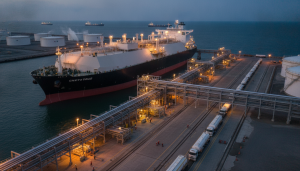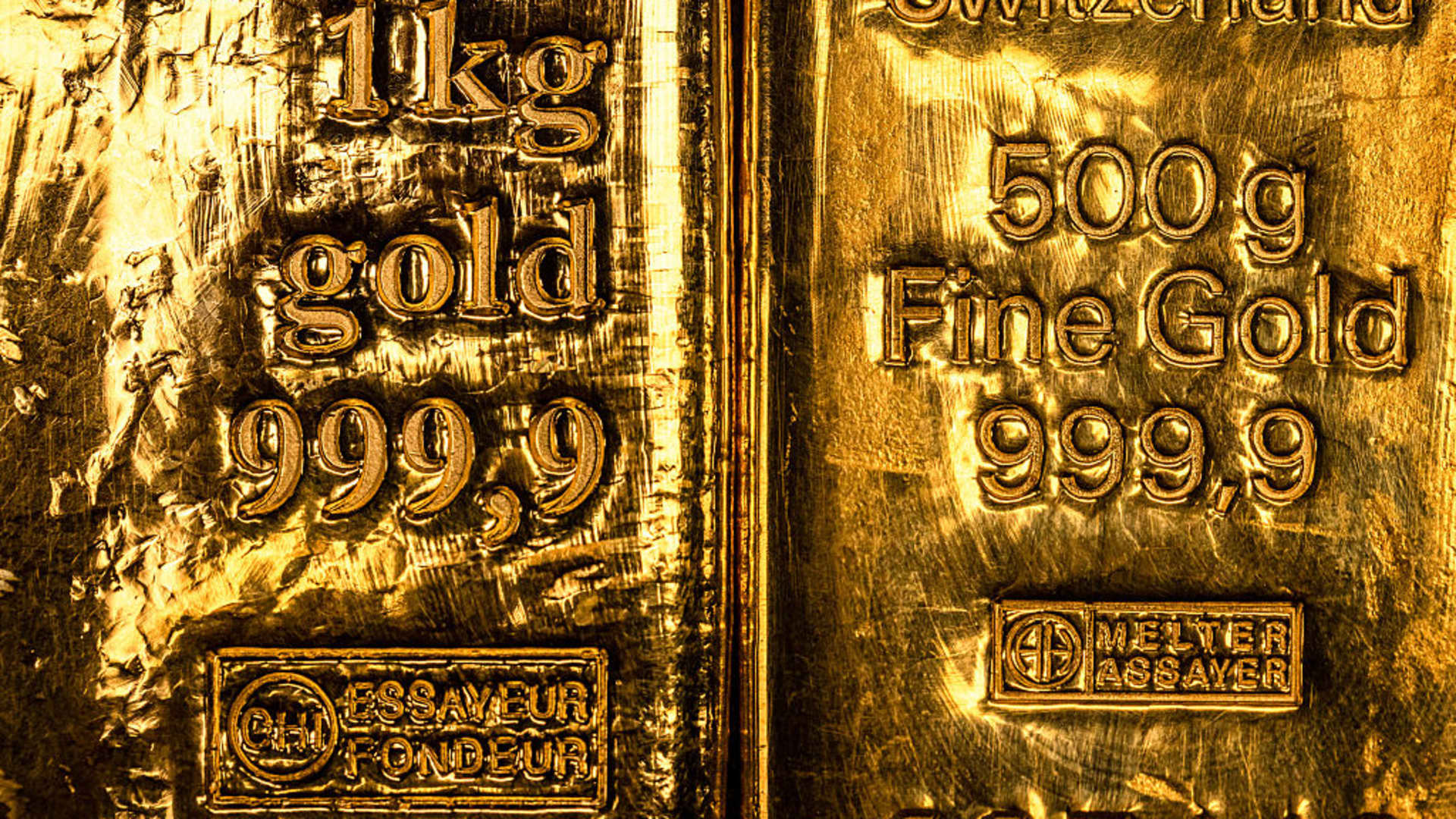
As the market braces for an anticipated shift in Federal Reserve monetary policy, with expectations of rate cuts emerging despite stubbornly high inflation hovering at an annual rate of 2.9%, investors are actively re-evaluating their portfolios for assets that can offer robust protection against eroding purchasing power. While gold has historically been highlighted as a prime beneficiary during periods of ‘inflationary easing’ – where central banks lower the cost of money amidst persistent price increases – the spotlight for energy investors naturally turns to crude oil. Can the black gold replicate or even surpass the inflation-hedging prowess of precious metals in this unique macroeconomic environment? This analysis delves into oil’s potential as a critical inflation hedge, examining current market dynamics, forthcoming catalysts, and investor sentiment.
The Macro Backdrop: Inflationary Easing and the Dollar’s Slide
The Federal Reserve’s delicate balancing act of managing inflation while contemplating interest rate reductions creates a distinctive landscape for commodities. With annual inflation still registering at 2.9%, the prospect of monetary easing runs counter to traditional inflation-fighting strategies. This ‘inflationary easing’ scenario, marked by potentially lower borrowing costs and an abundance of liquidity, often funnels capital into hard assets. Compounding this effect is the significant depreciation of the U.S. dollar, which has seen its value slump by over 10% against a basket of major trading partners’ currencies throughout 2025. For crude oil, a commodity predominantly priced in U.S. dollars, a weaker greenback makes barrels more affordable for international buyers holding other currencies, thereby stimulating demand and providing a natural price uplift. This macroeconomic tailwind, combined with a broader strategic shift by global monetary authorities increasingly diversifying their reserves away from traditional instruments, underscores a growing appetite for tangible assets, positioning oil favorably.
Crude Oil’s Current Stance Amidst Market Volatility
Despite the supportive macroeconomic backdrop, crude oil markets are currently exhibiting a degree of short-term volatility. As of today, Brent crude trades at $98.38 per barrel, reflecting a 1.02% dip from its opening, while West Texas Intermediate (WTI) sits at $90.05, down 1.23% within the same trading window. Gasoline futures are also tracking lower at $3.08 per gallon, down 0.32%. This recent softening follows a more pronounced correction over the past fortnight, with Brent shedding approximately $14, or over 12%, from its $112.57 perch on March 27 to $98.57 just yesterday. Such fluctuations often prompt investors to question the immediate trajectory of prices. Indeed, a frequent inquiry from our investor base revolves around the current Brent crude price and the factors influencing its short-term movements. While immediate price action can be influenced by transient factors like inventory builds or geopolitical headlines, the broader implications of dollar weakness and global inflationary pressures continue to lend underlying support to oil’s long-term value proposition.
Oil as an Inflation Hedge: Beyond Monetary Policy Alone
While the ‘inflationary easing’ narrative clearly benefits precious metals by reducing the opportunity cost of holding non-yielding assets, crude oil presents a distinct and arguably more fundamental inflation hedge. Unlike gold, which primarily serves as a store of value, oil is an indispensable input for virtually every sector of the global economy. In an inflationary environment, the costs associated with oil exploration, production, refining, and transportation inevitably rise, which inherently supports higher crude prices. This direct link to economic activity means that as inflation pushes up the cost of goods and services, the cost of the energy required to produce and deliver them also increases. Furthermore, persistent inflation often signals robust underlying demand in the real economy, which translates directly into higher consumption of petroleum products. When coupled with disciplined supply management, this demand-side resilience can make oil a potent hedge, not just against currency debasement but also against the rising costs of doing business.
Navigating Forward: Key Events and Supply-Side Dynamics
The coming weeks are poised to deliver several critical data points and strategic decisions that will significantly shape crude oil price action and further define its role as an inflation hedge. Investors are keenly focused on the upcoming OPEC+ meetings, with the Joint Ministerial Monitoring Committee (JMMC) convening on April 18, followed by the Full Ministerial meeting on April 20. These gatherings are crucial, as a recurring question from our readers concerns OPEC+’s current production quotas and their forward strategy in maintaining market stability. Any adjustments to supply policy will directly impact global balances and, consequently, crude prices. Beyond OPEC+, the industry will closely monitor the Baker Hughes Rig Count reports on April 17 and April 24, offering insights into North American production trends. Furthermore, weekly inventory data from the API (April 21, April 28) and the EIA (April 22, April 29) will provide vital transparency into market supply and demand fundamentals. In an environment where the Fed is navigating inflation with rate cuts, the interplay of these supply-side factors with macroeconomic tailwinds will be paramount for oil’s performance, underscoring its potential as a dynamic and responsive inflation hedge.