The global oil market is experiencing a significant shift in sentiment, with crude prices notably retreating despite lingering hopes for de-escalation in major trade disputes. While recent reports highlighted a steadying of prices amidst potential U.S.-China trade progress, our proprietary data indicates a pronounced downturn in the immediate term, challenging previous narratives of stability. This underscores the volatile interplay of geopolitical developments, fundamental supply-demand dynamics, and evolving speculative positions that continue to shape the investment landscape for energy. As investors navigate these choppy waters, understanding the underlying drivers and anticipating key upcoming events becomes paramount for strategic positioning.
Current Market Retreat: A Deeper Dive into Price Action
As of today, Brent Crude trades at $90.38 per barrel, marking a sharp 9.07% decline within the day, with its trading range stretching from $86.08 to $98.97. Similarly, WTI Crude has fallen to $82.59, down 9.41%, having fluctuated between $78.97 and $90.34. This significant daily depreciation follows a broader trend; our 14-day data pipeline reveals Brent Crude has shed a substantial $22.4, or 19.9%, from its $112.78 perch on March 30th. This sharp reversal from earlier optimism signals a market grappling with more immediate bearish catalysts than the long-term potential of trade amelioration. The swiftness of this decline suggests a market that was perhaps overextended or that new, more pressing concerns have taken precedence over the cautious optimism around trade talks. Gasoline prices have also seen a notable dip, currently at $2.93, down 5.18% for the day, reflecting the broader energy complex’s struggle.
Geopolitical Dynamics: Trade Hopes Versus Sanctions Reality
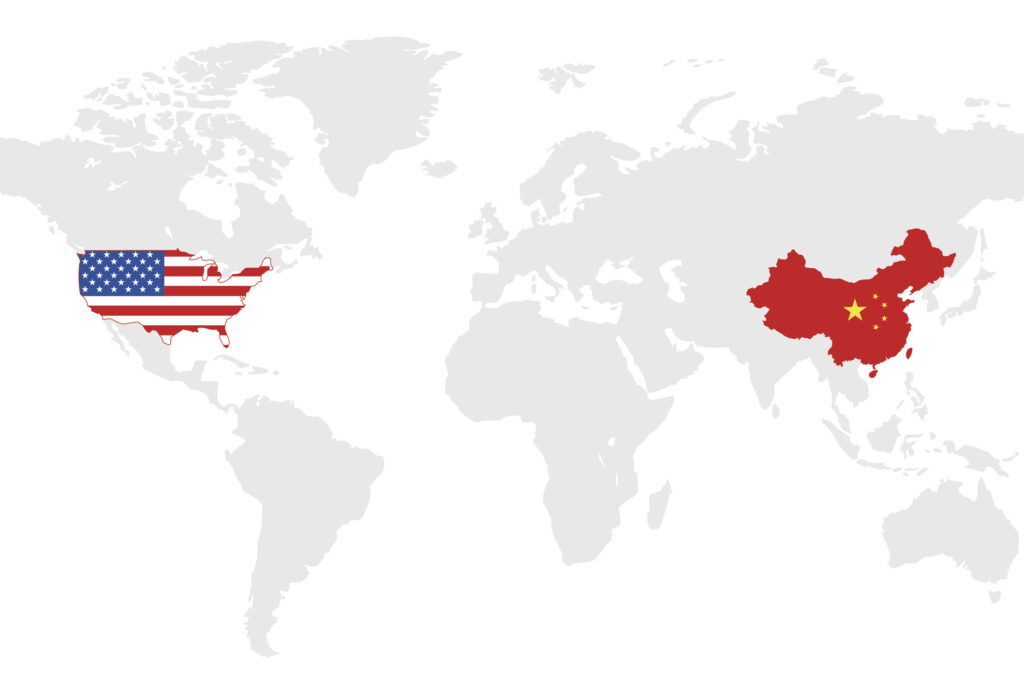
The market has certainly been digesting the potential framework trade deal between the U.S. and China, with leaders Donald Trump and Xi Jinping slated to discuss it further on Thursday in South Korea. The prospect of Washington easing tariff threats and Beijing committing to increased U.S. soybean purchases, alongside reduced rare earth export curbs, had initially injected a degree of positive sentiment. However, this optimism appears to be overshadowed by the more immediate, tangible impacts of other geopolitical tensions. The U.S. sanctions recently imposed on Russia, specifically targeting energy giants Lukoil and Rosneft, continue to exert influence. While these measures aim to pressure Moscow for a ceasefire, their effectiveness in significantly curtailing Russian oil flows, especially to major buyers like India and China, remains a subject of intense debate among analysts. China, as the world’s largest oil importer, has also been steadily building its strategic oil reserves, a factor that contributes to concerns over robust global supply levels, potentially offsetting any demand boost from eased trade tensions.
Speculator Sentiment and Investor Outlook
The recent market weakness is further illuminated by shifts in speculator positioning. Our data indicates that speculators have aggressively cut their net long positions in ICE Brent contracts, shedding 57,085 lots in the last reporting week, bringing their net long to a mere 52,521 lots as of last Tuesday. This significant reduction was primarily driven by fresh shorts entering the market, indicating a bearish shift in sentiment among institutional players. This move suggests that a substantial segment of the market was positioned on the wrong side ahead of key announcements, leading to a scramble to cover positions. This cautious stance among professional traders aligns with the questions we’re seeing from our readers. Many investors are keenly asking about future price trajectories, such as “what do you predict the price of oil per barrel will be by end of 2026?” This highlights a pervasive uncertainty and a strong desire for clarity on long-term market direction, directly reflecting the current volatility and the difficulty in forecasting amidst conflicting signals. The pronounced cut in long positions underscores the immediate risk aversion at play.
Forward Outlook: OPEC+ Decisions and Inventory Clues
Looking ahead, the next two weeks are packed with critical events that will undoubtedly shape the crude oil trajectory. A primary focus for investors, many of whom are asking about “OPEC+ current production quotas,” will be the upcoming OPEC+ Joint Ministerial Monitoring Committee (JMMC) Meeting on Sunday, April 19th, followed by the full OPEC+ Ministerial Meeting on Monday, April 20th. Given the recent significant price declines, there will be intense scrutiny on whether the cartel will signal any adjustments to current production policies to stabilize the market or maintain their existing strategy. Any hint of deeper cuts or even a change in rhetoric could provide a floor for prices. Beyond OPEC+, the market will closely monitor inventory data from the U.S. The API Weekly Crude Inventory reports on April 21st and April 28th, alongside the more comprehensive EIA Weekly Petroleum Status Reports on April 22nd and April 29th, will offer crucial insights into U.S. supply and demand balances. Unexpected builds or draws in crude stocks often dictate short-term price movements. Furthermore, the Baker Hughes Rig Count on April 24th and May 1st will provide a pulse check on U.S. drilling activity, offering an early indicator of future production trends. These events, coupled with broader macroeconomic data, including expectations around U.S. interest rates following recent soft inflation data, will be pivotal in determining market direction in the immediate future.